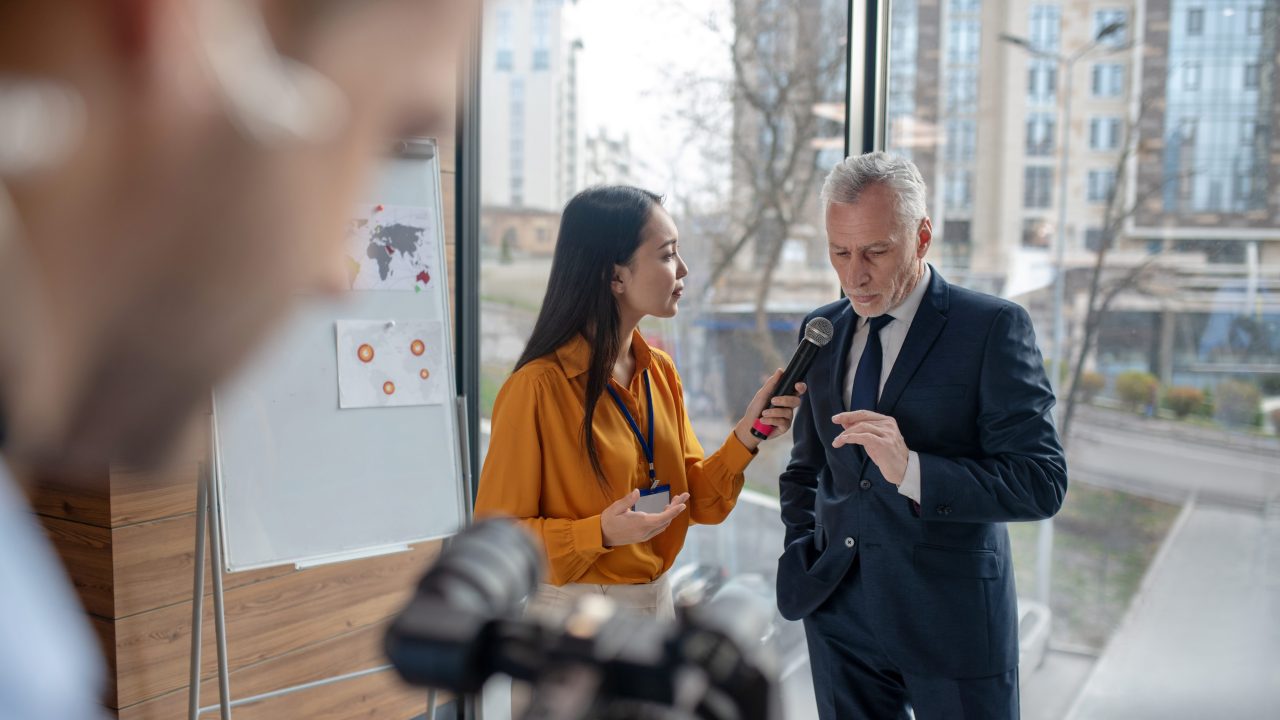
A museum can spend years earning trust only to lose it in a single tense interview. If a funding issue becomes public, an object is damaged, or a protest shows up at the door, you don’t get to “opt out” of communication. In those moments, the difference between calm clarity and a messy sound bite often comes down to one role: the museum spokesperson.
This quick, practical guide is designed to help those with little or no spokesperson experience take on the role with confidence. (For deeper guidance, sample language, and additional scenarios, see the new public relations guide from the American Alliance of Museums press, Museum Flack.)
Tip 1: Pick the person who can translate best (not just the one with the biggest title)
In a small museum, the spokesperson is often the director, curator, or board chair, sometimes by default. But the best spokesperson is not necessarily the most senior, but the one who can explain clearest, stay calmest, and listen best, even when questions get sharp. As noted in Museum Flack, effective spokespeople combine credibility, composure, and plain-language communication, not just subject-matter expertise.
Choose someone who can:
- Speak in plain language (no jargon, no long history lessons)
- Keep a steady tone under pressure
- Show good judgment (knows what to share now vs. later)
- Demonstrate credibility and values alignment (honest, consistent, not defensive)
Rule of thumb: If someone is brilliant but says too much or easily provoked, don’t put them in front of a reporter without coaching.
Quick test (fifteen minutes): Ask two team members to play “reporter” and throw three tough questions. You’re looking for clarity and composure, not perfection.
Tip 2: Build a one-page message map before you try to “sound confident”
A common misconception: you need confidence first. In reality, structure creates confidence.
Make a one-page message map for the situation (even if the situation is “nothing is happening right now—yet”). This helps you stop improvising and start leading the interview. Museum Flack recommends keeping your core messages short, repeatable, and consistent across interviews and platforms.
Your message map should include:
- Two to three key messages (the main points you want in the story)
- Proof points (facts, actions taken, timeline, safety steps, policies)
- A plain-language mission sentence (why the museum matters)
- One “human” line (who you serve / why you care)
Tip 3: Assume it’s all on the record—avoid “no comment”
One of the fastest ways small museums get burned is treating a reporter chat like an informal conversation. If you haven’t clearly set terms before speaking, assume it can be quoted. Museum Flack also underscores a practical reality for smaller institutions: it’s safer to treat every interaction as quotable and build habits that protect accuracy and trust.
Avoid:
- Speculation (“I think…” “Maybe…” “It was probably…”)
- Absolutes (“Always,” “Never,” “No risk,” “Nothing to worry about”)
- “No comment” (often reads as guilt or evasion)
Use safer, professional alternatives:
- If you don’t know yet: “I don’t have that confirmed, and I don’t want to guess. We’ll share details as soon as we do.”
- If it’s under review/investigation: “We’re reviewing the facts now. Our priority is accuracy, and we’ll provide an update by [time/day].”
- If it’s not appropriate to share (privacy/security): “I can’t share that detail due to privacy/security, but I can tell you…” (then give what you can)
Tip 4: Use three simple tools to keep you in control
You don’t “win” interviews by dodging. You win by answering briefly, then guiding back to what matters. Here are three tools to help you do that:
1. Bridging (answer → pivot)
Use when the question is negative or off-track.
- “What’s important to remember is…”
- “Let me put that in context…”
- “I understand the concern—here’s what we’re doing…”
2. Flagging (highlight the headline you want)
- “The key point is…”
- “What I want people to know is…”
- “Here’s what we can say with certainty today…”
3. Hooking (connect to mission/community value)
- “This museum exists to…”
- “Our responsibility to the community is…”
- “Our priority is protecting the collection and the visitor experience…”
Non-verbal cheat sheet:
- Pause before answering (it reads as thoughtful, not weak)
- Speak slower than feels natural
- Keep posture open; avoid nervous laughs or sarcasm
- If you feel defensive: return to facts and values
Tip 5: Practice like a crisis will happen
Training shouldn’t be a one-time workshop. You only get calm under pressure by rehearsing before you need it.
Lightweight practice plan for small teams:
- Run two fifteen-minute mock interviews per quarter
- Rotate formats: print, live TV, radio/podcast
- Practice three hard questions each time
- Debrief quickly
Include “micro-crisis” scenarios relevant to small museums:
- Funding shortfalls / layoffs / reduced hours
- Object damage or conservation issues
- Security or vandalism incidents
- Protests or controversial speakers/events
- Board conflicts or leadership transitions
If your museum hasn’t named and trained a spokesperson, the biggest risk isn’t silence; it’s inconsistency. Visitors, donors, and community partners can often handle bad news. What they struggle to forgive is fuzzy answers, shifting explanations, or a defensive tone.
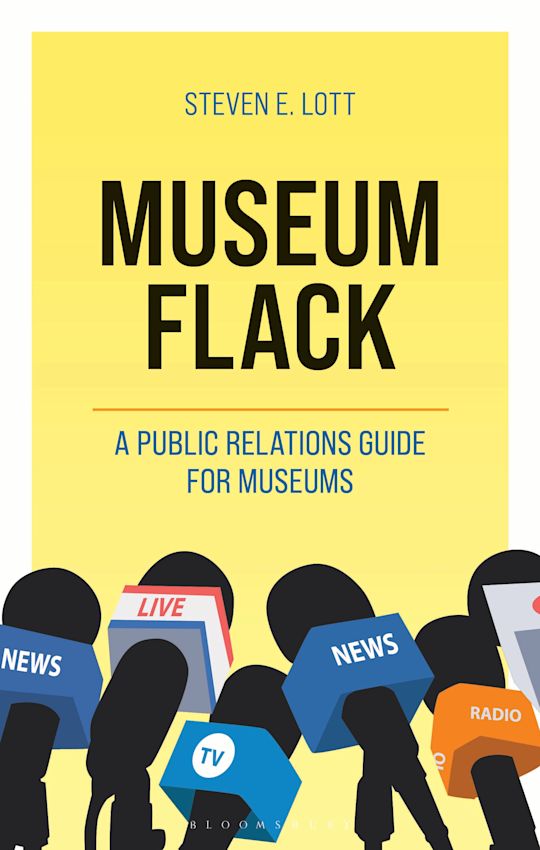
If you found this cheat sheet helpful, Museum Flack goes much further with practical guidance for real museum scenarios, clearer ways to handle tough questions, and step-by-step tips for staying calm and credible on the record. It also includes additional examples, checklists, and spokesperson tools you can use to train staff quickly—even if your museum doesn’t have a dedicated communications team.
Upcoming Events
-
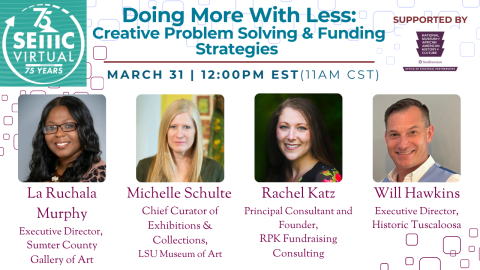
Doing More with Less: Creative Problem Solving & Funding Strategies
Event Date:Presented by: Southeastern Museums Conference -
Outdoor History Walking Tours 101
Event Date:Presented by: American Association for State and Local History (AASLH) -
I’m In Charge of A Museum Store. Now What?
Event Date:Presented by: American Alliance of Museums -
Gettin’ To Know You: The Art of Networking
Event Date:Presented by: American Alliance of Museums