I visited a mid-sized museum in January, and the Membership Manager looked me in the eye, beamed, and told me the best news she’d had all month.
“I’ve already saved the museum $4,000 this year,” she said.
“That’s amazing,” I said. “What did you do, renegotiate the janitorial contract? Switch insurance providers?”
“No,” she said proudly. “I canceled the email automation software. I realized I could just export the list to Excel, filter it myself, and paste the addresses into Outlook using Bcc. It takes a while, but hey, that’s four grand back to the mission!”
I smiled. I nodded. I silently mourned the fact that my entire job exists because we have somehow normalized treating highly educated, passionate professionals like human duct tape.
Weaponized Thriftiness
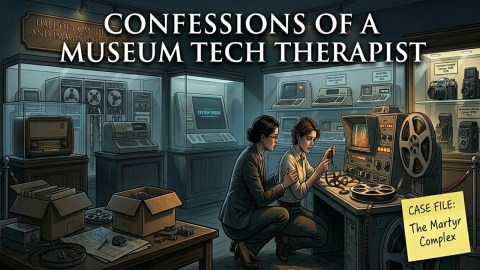
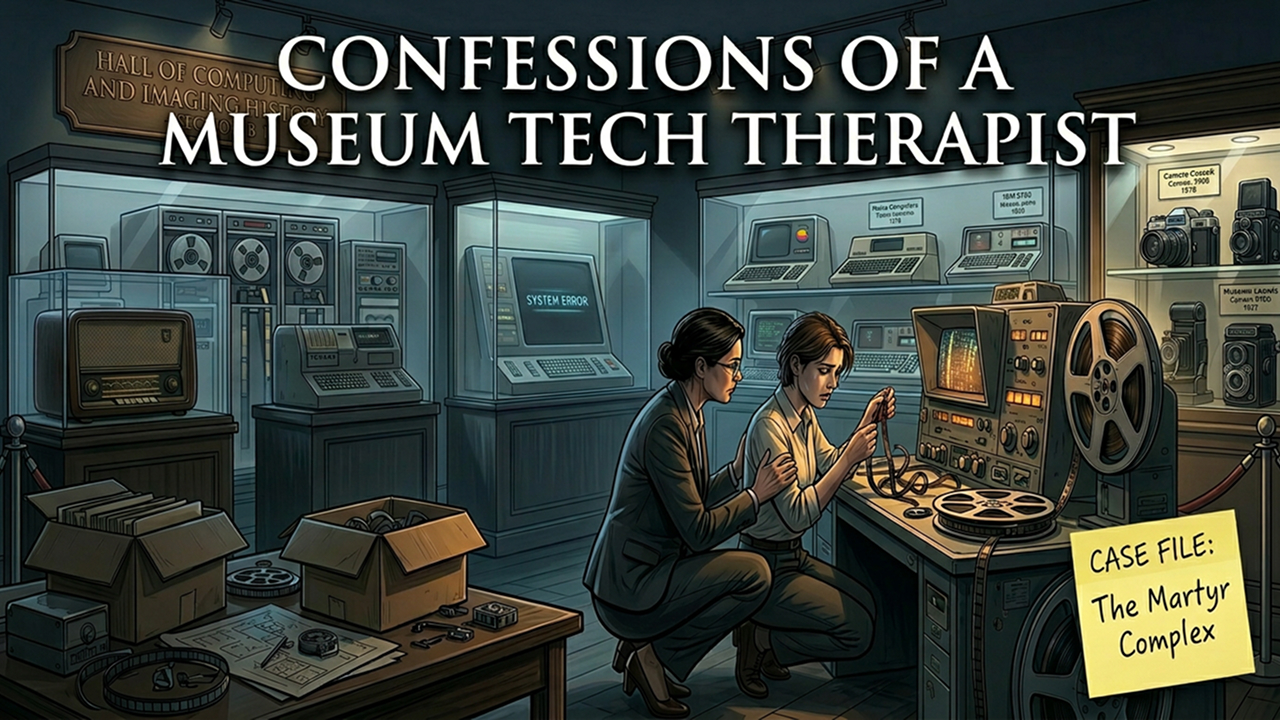
I call it The Martyr Complex.
It is a condition specific to the nonprofit sector (I see it in all nonprofits, to be fair, not just museums) where suffering is confused with stewardship. I’ve met museum professionals who have somehow convinced themselves that they have to push human labor to its breaking point before they can look at software that actually costs money.
Let’s do the math on that $4,000 savings.
To save that money, the Membership Manager (who, by the way, has a Master’s degree and could probably run a Fortune 500 company) is now spending every Tuesday morning manually cleaning spreadsheets.
She spends 4 hours a week wrangling data. That’s 200 hours a year.
That’s five full weeks of work!
She essentially took a month of vacation, sat at her desk, and worked as the organization’s unofficial data janitor just to save the cost of a few lattes a day.
If a carpenter showed up to build your house and said, “I didn’t buy a nail gun because hammers are cheaper, so this will take three times as long,” you wouldn’t call him noble…
The Overhead Boogeyman
I get where the mindset comes from. It comes from the Board Member who looks at the budget and asks, “Why is administrative overhead at 18%? Can we get it to 15%?”
It comes from the donor who says, “I want 100% of my check to go to the Art Preservation Fund, not to software licenses.”
And so, museum staff internalize it. They start believing that efficiency is a luxury item and begin treating good tools like they are gold-plated faucets.
I’m not immune to this logic in my own life. I’ll go out for a nice dinner without a second thought, but then I’ll stand in the aisle at the grocery store for ten minutes debating whether to buy the $4 peanut butter or the $6 peanut butter. I’ll drive across town to save three cents on gas. It’s irrational. And I know it!
But when that same logic gets baked into an entire institution, it creates a real problem.
When you have your staff using broken tools, you aren’t saving money. You are paying a hidden tax. You are paying it in burnout. You are paying it in the “oops, I forgot to Bcc, and now all our major donors can see each other’s personal email addresses” disaster that’s just one errant keystroke away.
You Are Worth the Nail Gun
Here is my prescription for today: stop apologizing for your tools.
Your donors do not want you to suffer. They want you to succeed.
If you told a donor, “Your $5,000 gift allowed us to buy a system that gave our Development Director 200 hours of her life back, which she used to secure three major legacy gifts,” they wouldn’t be angry; they would be thrilled. That’s an incredible ROI.
So, please. Buy the software that automates the busy work. Buy the printer that doesn’t jam. Go get the tools that give you your life back. Your sanity is worth way more than that four grand, and I’ve never seen a database thank anyone for all the extra effort.

Mandy is the CEO of Nonprofit Tech Shop, a digital transformation partner that helps museums and cultural institutions replace legacy, nonprofit-specific tools with modern architecture. By implementing HubSpot, the market’s best-in-class CRM, and enhancing it with their specialized operational layer, MuseumHub, they eliminate data silos and the need for manual exports. This unifies every touchpoint, from ticketing and fundraising to membership and events, into one seamless ecosystem. Explore the platform at nonprofittechshop.com/museumhub.
Upcoming Events
-
Outdoor History Walking Tours 101
Event Date:Presented by: American Association for State and Local History (AASLH) -
I’m In Charge of A Museum Store. Now What?
Event Date:Presented by: American Alliance of Museums -
Gettin’ To Know You: The Art of Networking
Event Date:Presented by: American Alliance of Museums -
Environmental Monitoring for Collections of All Sizes
Event Date:Presented by: C2C Care/FAIC