Your museum’s brand isn’t what you say about your institution. It’s the total experience people have when they visit—across every touchpoint, every day. Not just the exhibits and the gift shop, but the tone of your emails, how the front-desk staff greets a first-time visitor, the speed at which you respond to a critical comment online.
In my work with museums as the founder of the HATCH creative agency, we call this framework Consumer Brand Experience or CBX. It’s not a marketing function. It’s an institutional mindset. And it doesn’t require a big budget. It requires intention.
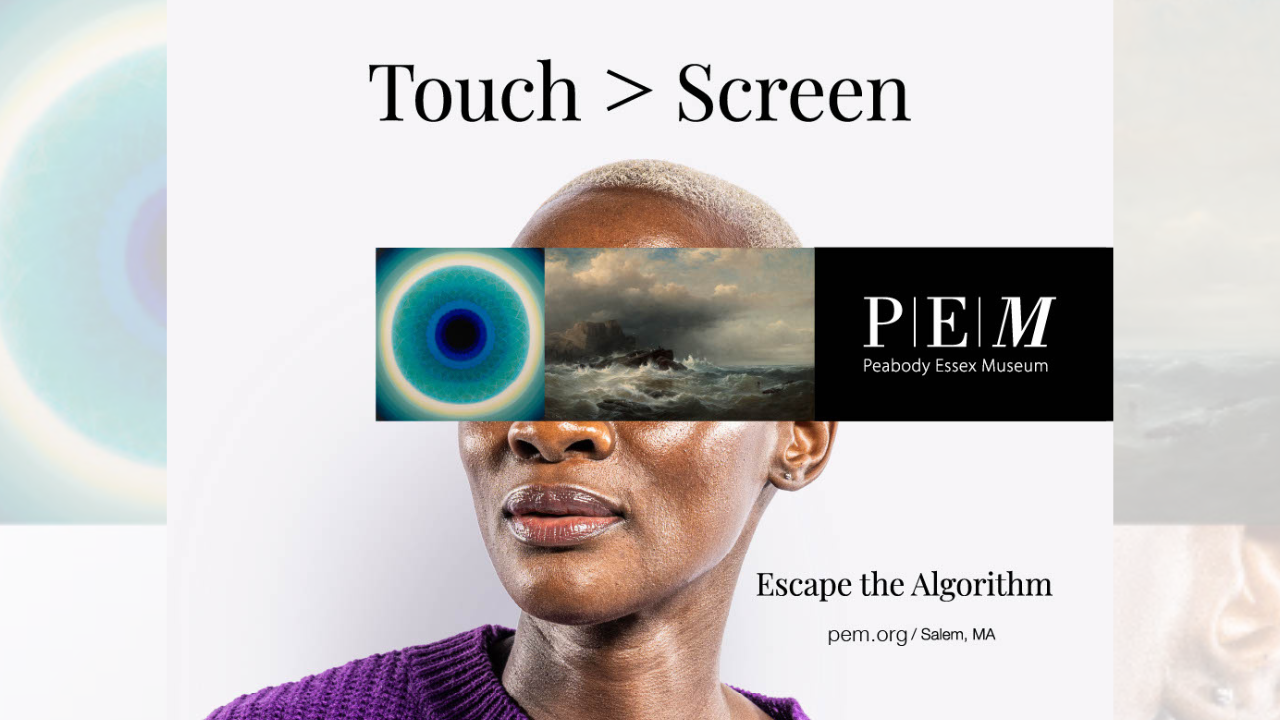
We learned this firsthand working with the Peabody Essex Museum (PEM). The campaign we created, Escape the Algorithm, started with a truth that felt both urgent and universal: social media algorithms trap users in endless scroll cycles, while PEM deliberately curates experiences that jolt perspectives and awaken the senses.
The campaign positioned the 225-year-old Salem, MA, institution as the antidote to digital overload, and it resonated. But it was what happened after launch that showed us what CBX really looks like. The most powerful brand moments weren’t the ones we planned. They were the unprompted conversations between staff and visitors, the moments of genuine connection, and the experiences people shared in ways we never could have scripted.
Those moments traveled faster and landed deeper than any ad.
Rethinking Brand Ownership
From tagged photos to traveler reviews to TikTok videos, visitors can remix your museum’s message faster than you can approve one. That raises the question: Who is really in control of your brand?
It’s not your boardroom or your marketing department. Your museum brand is built in thousands of small moments that accumulate into something far more powerful than any single campaign. An inspiring mission statement rings hollow if your visitor experiences lag behind the message.
This reality isn’t a threat to manage. It’s an opportunity to embrace. A CBX mindset is rooted in transparency, inclusion, and co-creation. It’s not a campaign or a rebrand. It’s a way of seeing every interaction as a brand-building moment.
Inviting Visitors Into Brand Authorship
At PEM, Escape the Algorithm didn’t, and couldn’t, stop at advertising. The museum changed the way it approached social content. Instead of only publishing polished posts about the museum itself, the team began regularly sharing videos about its collection, including pieces not currently on display. Unlocking the stories behind the objects created a new kind of engagement, prompting followers to ask questions and suggest the types of stories they wanted to hear more about.
PEM took co-creation even further by launching a TikTok Creator-in-Residence program, meeting younger audiences on a platform they already use and in an authentic voice. This program is the first of its kind at any US art museum. By inviting outside voices to narrate the museum’s story from their own perspectives, it demonstrated what happens when an institution trusts its audience to help shape the narrative.
You don’t need a TikTok residency to put this principle into practice. When we rebranded the Nantucket Historical Association (NHA), the challenge wasn’t visibility—the NHA’s Whaling Museum is the island’s top-rated attraction. The challenge was that visitors and even longtime residents saw the Whaling Museum and stopped there, overlooking the NHA’s historic sites, island tours, and year-round community programs. The NHA had been using its seal as a logo, which served as a nod to its history but was difficult to translate to digital spaces and everyday communications.
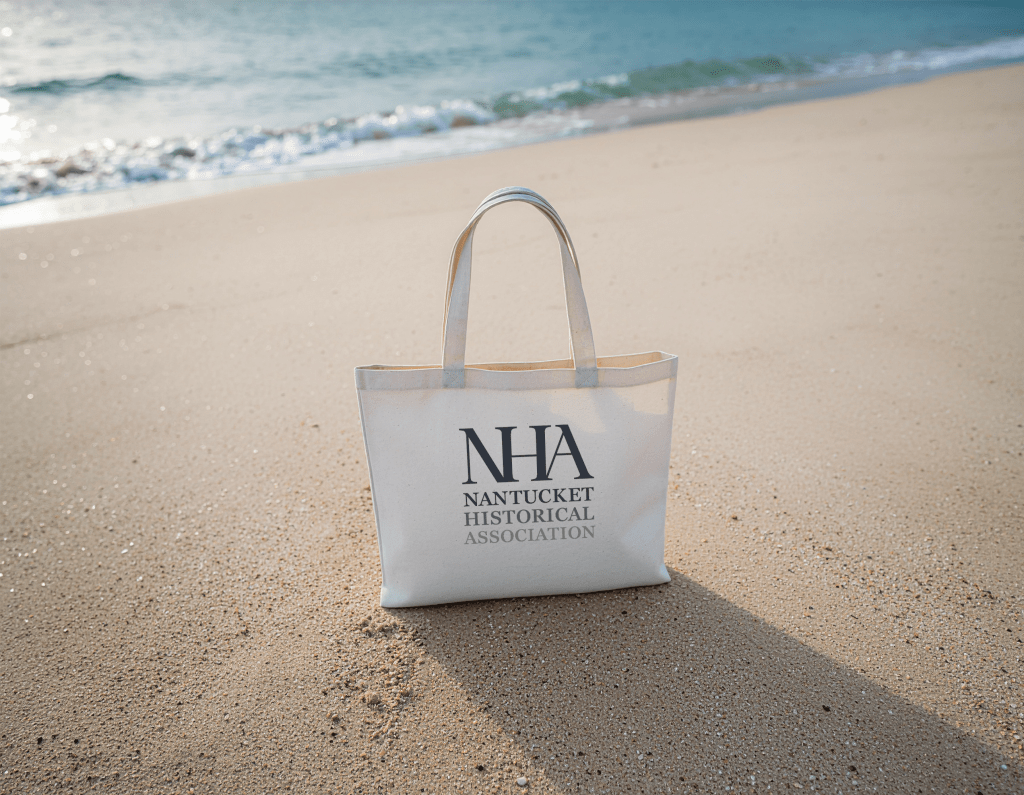
Rather than simply modernizing the logo, we built a brand platform called Faraway From the Expected that invited audiences to discover the broader, more nuanced stories the NHA tells: women’s rights, immigration, climate innovation. A consistent identity system now unites the Whaling Museum and its sister properties under one flag, giving the community more entry points into the institution.
When the rebrand launched, followers responded immediately with their own stories. One commenter wrote that the NHA “has come a long way” and called it “the beauty of the island it should be.” Rebranding didn’t require a massive budget. It required an invitation.
That’s the power of brand authorship. You’re not handing over the keys. You’re creating space for co-creation. When audiences help tell your story, they deepen their connection to it. The goal is to fuel participation without being consumed by trying to manage it—to let people see themselves in the brand while anchoring every interaction in your institution’s mission and values.
Finding the Brand Moments That Matter
If you want your brand to shine through lived experiences, how do you identify which moments matter most? Start by mapping the emotional peaks and friction points in the visitor journey, not just the marketing ones.
Ask yourself: What’s the first human interaction a visitor has? Does your front door feel open and welcoming? Where do questions or confusion arise, and how are you helping visitors get the answers they need? What happens after a visit: the emails, surveys, social media responses? What patterns are emerging?
Inclusion must be woven into operations across the institution, not siloed in the marketing department. That means writing exhibition labels with different audiences and languages in mind, and training front-of-house staff on both facts and how to handle moments of discomfort or disagreement with empathy. None of these steps require a massive budget. They require alignment and commitment.
Another practical step: any museum, regardless of size, can assemble a small, informal advisory group of community voices to pressure-test how its brand shows up.
As part of our broader commitment to culturally informed work, HATCH maintains a standing Cultural Advisory Council, a group that combines community leadership and activism with marketing expertise to identify potential cultural blind spots and strengthen creative concepts across our projects. PEM was the first museum where we put the council into action, and its input shaped the campaign in ways we wouldn’t have arrived at on our own. Your museum can do something similar with a handful of trusted community members and a quarterly conversation.
The Cost of Control
All of this requires a willingness to loosen your grip on the narrative.
I don’t say this lightly. I know how difficult it can be to let go of the belief that you can control brand perception. But a common mistake I see museums make is confusing clarity with control. When museums over-police language or shut down conversation, they signal fear rather than confidence. The cost is relevance. Audiences disengage, staff feel constrained, and the institution appears rigid in moments that require flexibility.
Tension often signals engagement. Disagreement isn’t necessarily a threat; it can be a sign that people care enough to participate. When that happens, the question for museum leaders shifts from “how do we avoid this?” to “how do we participate in this conversation responsibly?” The real mindset shift is moving from “this is who we are” to “this is how people experience us.”
The key is to understand what really matters. Control may reduce short-term risk, but it erodes long-term trust.
Three Things You Can Do Tomorrow
Here are three low-cost steps that small and mid-sized museums seeking to apply a CBX mindset with limited resources can take right away:
- Audit real interactions, not just materials. Read your Google and TripAdvisor reviews. Scroll through the comments on your social media. Listen to frontline staff. That’s your brand in its unfiltered form. Pay attention to the language visitors use. That will tell you more about your brand than any internal positioning document.
- Align on values, not scripts. A short internal conversation about “how we show up when things are hard” goes further than any style guide. Even a thirty-minute all-staff discussion about your institution’s core values can give everyone—from curators to front-desk volunteers—a shared foundation for decision-making.
- Respond like a human. One thoughtful reply to a critical comment can do more to build a brand than a month of scheduled posts. When someone leaves a negative review or a pointed comment on social media, resist the urge to delete or deflect. Acknowledge the feedback, explain your thinking, and invite further conversation. That single exchange will become visible proof of your museum’s values.
From their earliest days, museums have been in the business of sharing stories. But today they’re increasingly in the business of listening, too. Your museum’s brand was never really yours to begin with. It belongs to everyone who walks through your doors, clicks on your posts, and carries their experience out into the world. It lives in the unscripted moments, the honest replies, and the willingness to let visitors complete the story.
The question isn’t whether you’re ready to share your brand with your visitors and community. It’s whether you’re ready to build it with them.
Upcoming Events
-
Outdoor History Walking Tours 101
Event Date:Presented by: American Association for State and Local History (AASLH) -
Outdoor History Walking Tours 101
Event Date:Presented by: American Association for State and Local History (AASLH) -
I’m In Charge of A Museum Store. Now What?
Event Date:Presented by: American Alliance of Museums -
Core Issues Briefing Series
Event Date:Presented by: American Association for State and Local History (AASLH)