This post is an advertorial written by an organization that serves the museum field. The views, opinions, and positions expressed by the authors and those providing comments are theirs alone and do not necessarily reflect the views, opinions, or positions of AAM or its employees.
Visible storage is helping museums take patrons deeper into their collections without compromising the preservation of artifacts.
Walk into nearly any museum in the world, and you’ll likely only experience a small fraction of what the institution has in its collections. Because exhibition space is limited, the majority of a museum’s holdings – sometimes 95% or more – is kept behind closed doors. So, while curators and collections managers may know these objects intimately, most visitors, donors, and researchers rarely do.
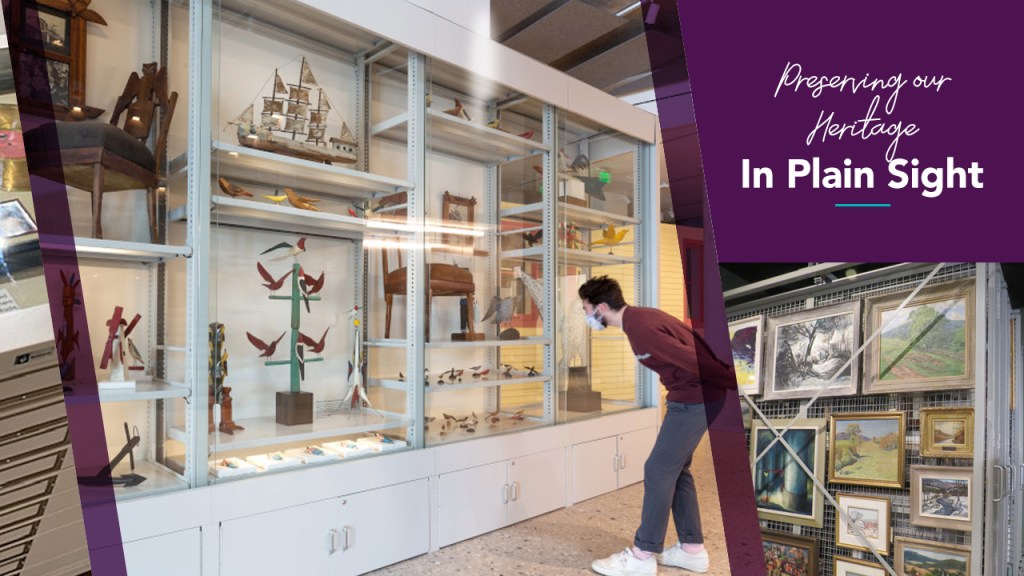
That’s beginning to change as museums are embracing visible storage strategies as a way to invite audiences beyond the gallery wall and into their archives. When done well, visible storage transforms collections areas from hidden vaults into engaging, educational extensions of the visitor experience while protecting objects for future generations.
At Spacesaver Corporation, our museum planning consultants have spent decades helping institutions design collections spaces that balance three often-competing priorities: access, preservation, and security. As visible storage moves from a niche concept to a widely adopted design strategy, we’ve seen firsthand how thoughtful planning can turn a storage room into one of the most compelling stops in the building.
Why Visible Storage Matters Now
Museums are under increasing pressure to demonstrate the breadth and depth of their collections. Donors want to see what their gifts support, and boards desire to understand acquisition value. Meanwhile, researchers require easier study access, and visitors are seeking a more transparent, behind-the-scenes look at how museums actually work.
Visible storage answers all of these needs at once. It puts more of a collection on public view without staging a full exhibit. It reinforces the museum’s role as a caretaker of priceless artifacts without exposing objects to harmful light, humidity, handling, or security risks.
A visible storage project is not simply a matter of installing glass doors on existing cabinets. To succeed over the long term, the project must be designed to balance openness with the preservation environments today’s collections require.
How to Incorporate Visible Storage
There is no single right way to design a visible storage space. The best projects reflect the character of the collection, the mission of the museum, and the realities of the physical space. Here are five approaches museums can take to bring collections into the light:
1. Locking Cabinets with Glass Doors
For collections that support teaching, research, or public study rooms, locking museum cabinets with glass doors offer an ideal balance. With these in place, students, scholars, and visitors can view thousands of objects at a glance without exposure to light, dust, and unauthorized handling. This approach works especially well for university collections and art study centers where artifact interaction is central to the mission.
2. Glass Partitions Between Collections and Displays
Rather than choosing between public gallery and private storage, some institutions blend the two. A climate-controlled workroom on one side of a glass partition supports researchers and staff, while on the other side, visitors watch collections work happen in real time.
3. Display-Ready End Panels
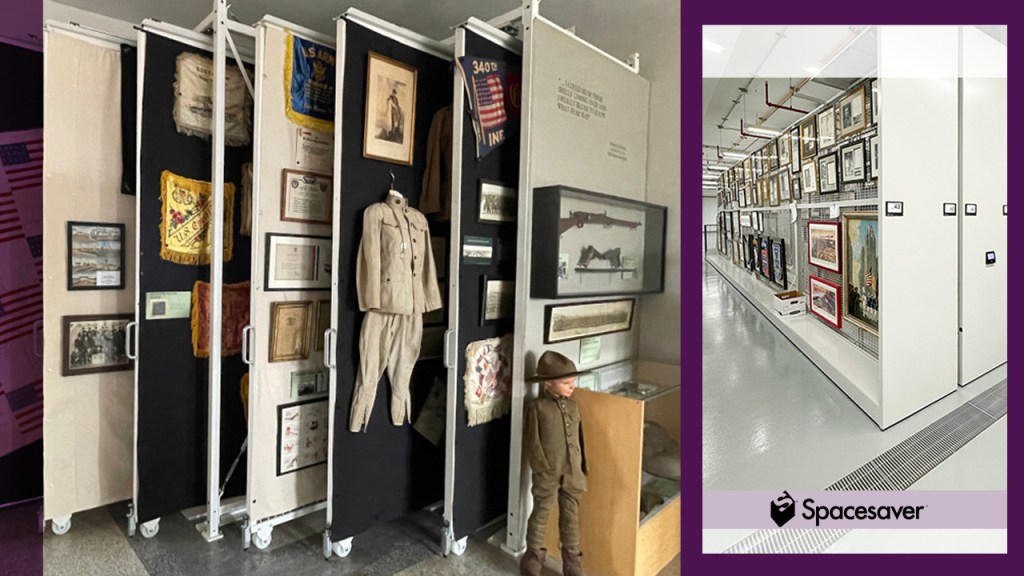
For institutions with sensitive or culturally significant materials, full public display isn’t always appropriate. High-Density Mobile Storage systems can be fitted with custom end panels or vitrines that allow curated pieces to be viewed from a gallery while the bulk of the collection remains protected inside a controlled environment. This approach helps tell the collection’s story and preserve temperature, humidity, and security requirements.
4. Art Racks and Display Shelving
Whether planning for new construction or renovation, museums can design entire spaces around visible storage. Art racks, open shelving, and thoughtful lighting design allow institutions to display far more of a collection than traditional galleries can accommodate. Attention to lighting, materials, and sightlines allows museum professionals to turn the storage system itself into part of the visitor experience.
5. Flat File Cabinets with Glass Tops
Sketches, prints, textiles, and other flat items are often the most under-shared parts of a collection. Flat file cabinets with glass tops let museums put those works into rotation without removing them from their protective enclosures. By utilizing cabinets with locking glass covers, visitors can gain access to material that might otherwise never leave the drawer.
Starting Your Visible Storage Journey
Every successful visible storage project starts with three questions: What does the collection need? What does the physical space allow? Which items are the best candidates for public viewing?
A thorough inventory, a thoughtful assessment of the available space, and an honest evaluation of preservation risk can point the way to the right combination of solutions. Whether you’re planning a modest study room upgrade or a landmark new building, visible storage offers a chance to reshape how patrons understand and value the work museums do.
With the right design partner, you can bring more of your collection into the light without compromising the care it deserves. Get started with a complimentary consultation and space assessment to explore your options.

Upcoming Events
-
Climate Change Education Virtual Summit
Event Date:Presented by: American Public Gardens Association & the United States Botanic Garden -
AASLH-NCPH Joint Conference
Event Date:Presented by: American Association for State and Local History (AASLH)Providence, RI -
Transit Insurance in Practice for Traveling & Co‑Organized Exhibitions
Event Date:Presented by: American Alliance of Museums -
Digital Collections Summit
Event Date:Presented by: MuseumNext