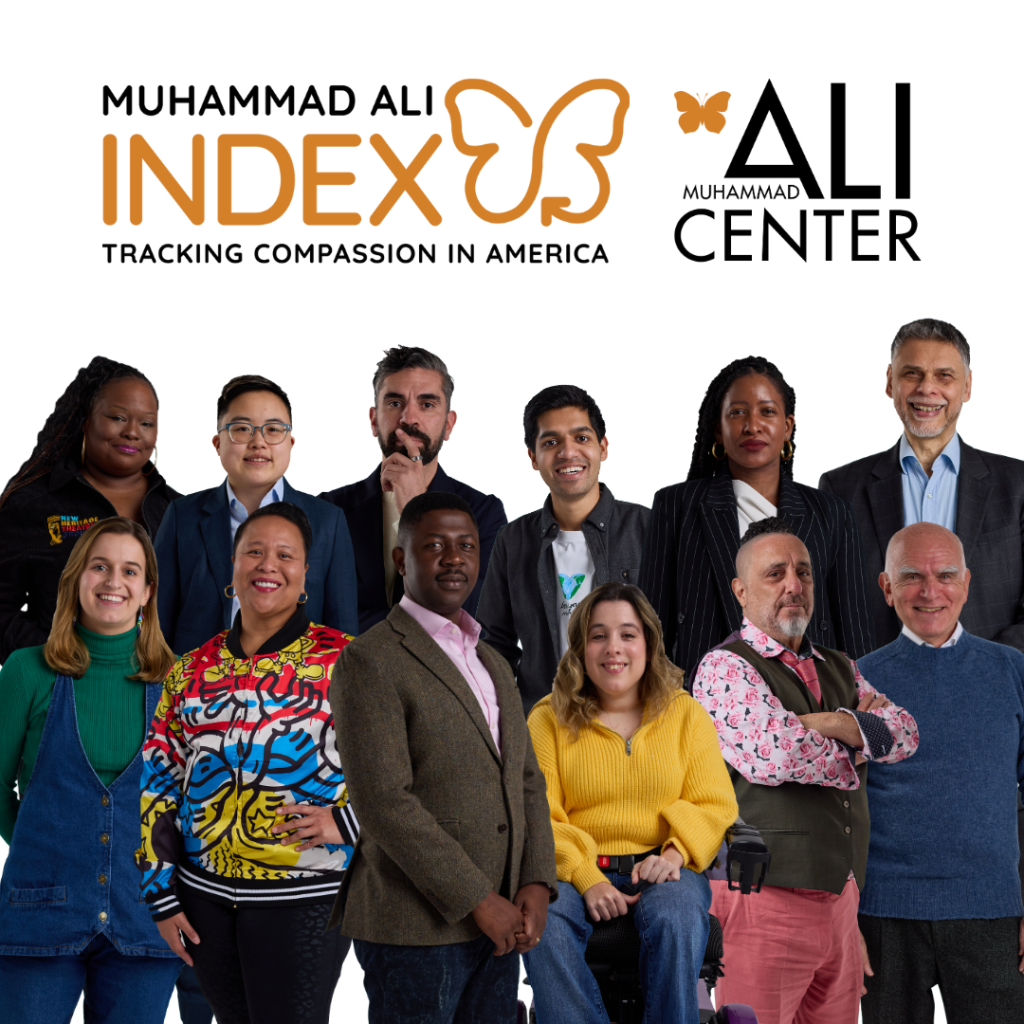
“Compassion is a bridge, helping us move forward by finding common ground and understanding across divides. Our collective decision to act with compassion is the antidote to division, polarization, and hate.”
– The 2025 Compassion Report, Muhammad Ali Index
Compassion begins with sympathy—an emotional response to another person’s experiences—and goes on to inspire action prompted by an authentic desire to help. A growing body of evidence shows that compassion toward others, and compassion toward oneself, can promote health and wellbeing, reduce burnout, combat loneliness, foster healthy aging, and reduce prejudice.
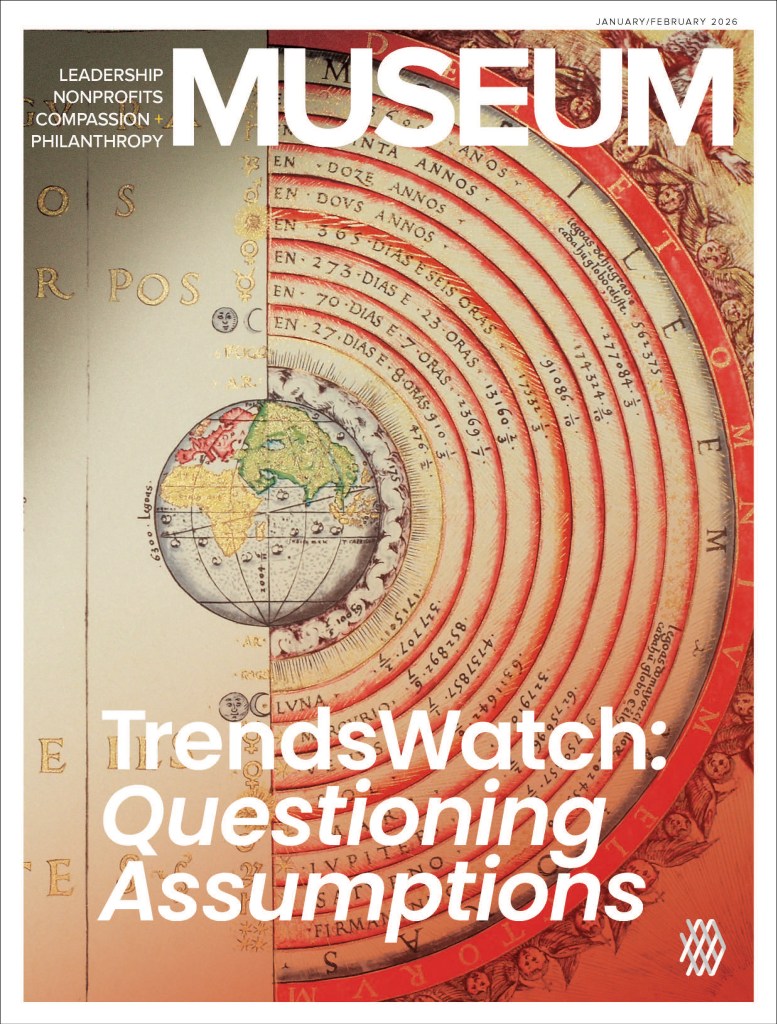
This article originally appeared in the Jan/Feb 2026 issue of Museum magazine, a benefit of AAM membership.
» Read Museum.
Particularly important in this moment is the fact that compassion may be able to reduce partisanship by helping people find common ground and bridge political divides. We tend to misjudge the amount of difference between our positions and values and those of people on “the other side,” and we overestimate the extremity of their positions. As the More in Common project points out, this “perception gap,” in turn, leads to emotional judgments—the feeling that people we disagree with are not just wrong but hateful, ignorant, and bigoted. This emotional tide may then amplify the waves of hate, paranoia, and anti-immigrant sentiment wracking our country.
While facts can help repair this damage—for example, understanding that a relatively small number of loud voices establish the uncivil culture of social media or that Republicans and Democrats largely agree on core human values—storytelling can more effectively foster emotional connections. As philosopher Martha Nussbaum observed, compassion, cultivated through narrative imagination, is critical for social justice, and political compassion provides the “necessary love” to counter fear and other divisive emotions.
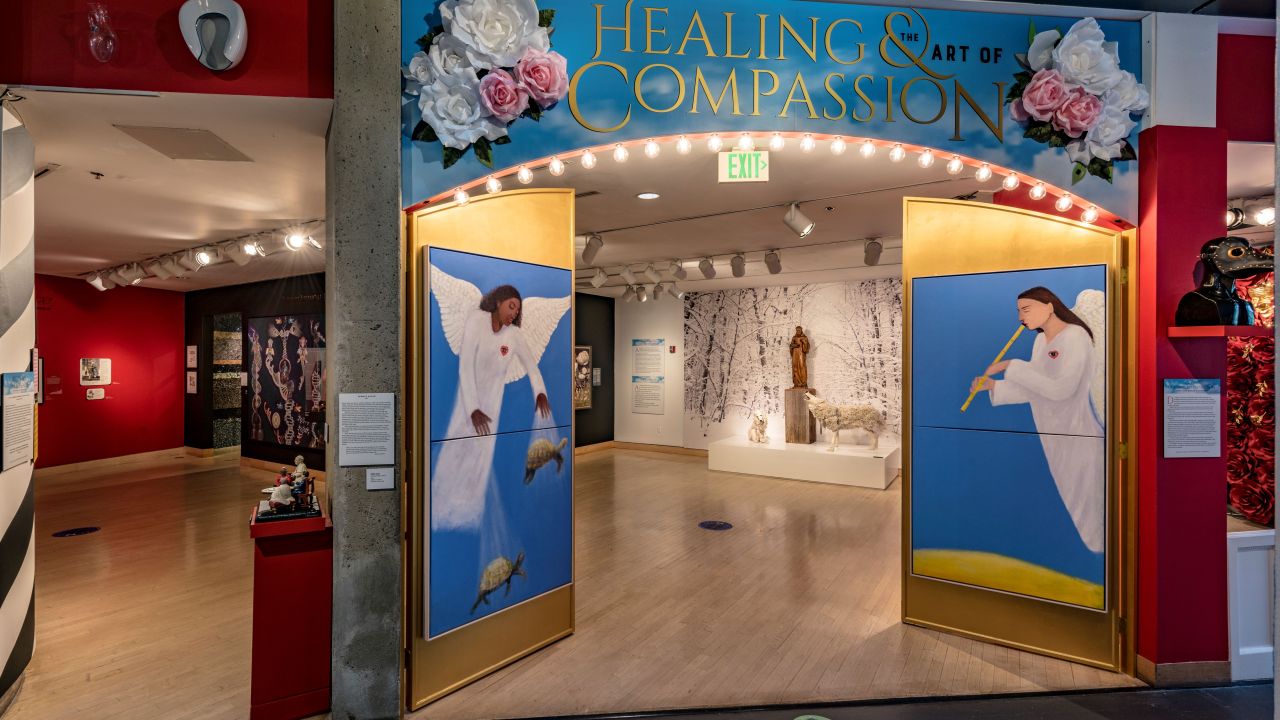
If a dearth of compassion has caused so much harm, individually and collectively, how might American society foster mutual understanding and action, and what role might museums play in this endeavor? As trusted spaces where people across the political spectrum feel welcome, museums might incorporate research-based approaches to fostering compassion into their work by:
- Using their skill at storytelling to create empathy for “others” across racial, socioeconomic, and political divides.
- Creating bridges from that emotional response to concrete action, including fostering active civic participation.
compassion and celebrates individuals embodying those ideals
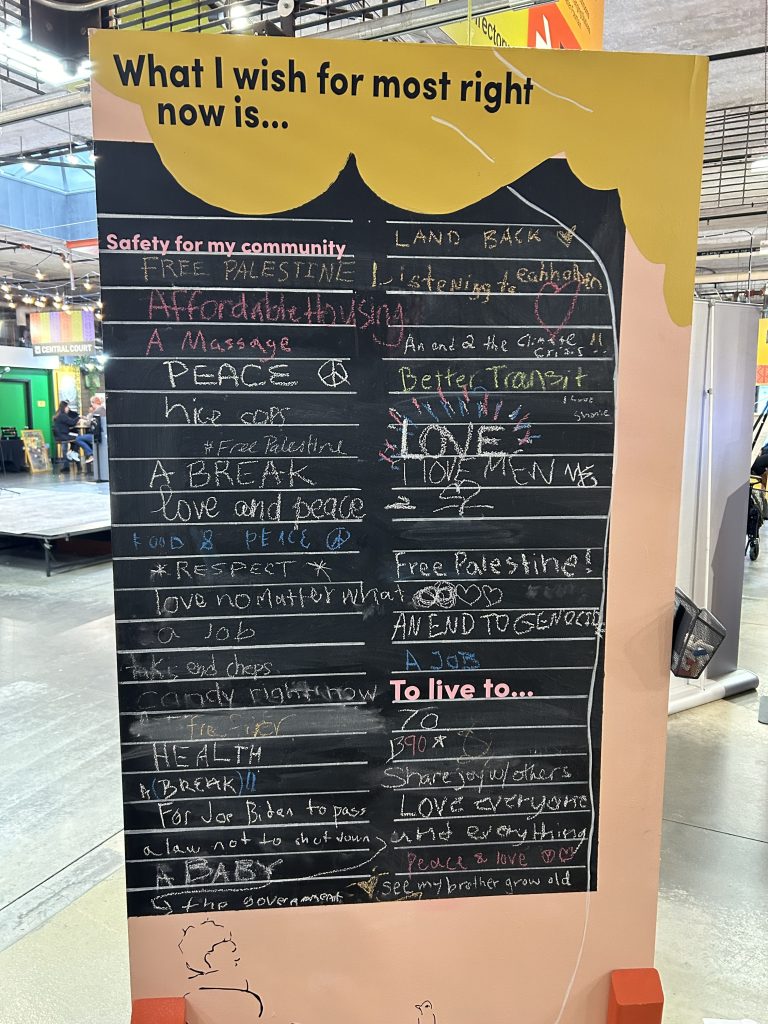
immersive, hands-on experiences that
inspire reflection, deepen understanding,
and encourage compassionate action.
- Valuing compassion and compassionate actions as metrics of success for exhibitions and programming.
- Cultivating social belonging, building strong volunteer networks, and providing opportunities for the community to engage.
- Integrating compassion education into their programming in coalition with other nonprofits, educators, and spiritual leaders.
“Moments of fear, and its associate vulnerability, are when people need the most compassion and understanding,” says Susie Wilkening, a museum researcher. “Not because we agree, but because we disagree.”

Upcoming Events
-
Understanding the U.S. History Sector
Event Date:Presented by: American Association for State and Local History (AASLH) -
-
-
Industry Showcase: Innovative Digital Solutions
Event Date: