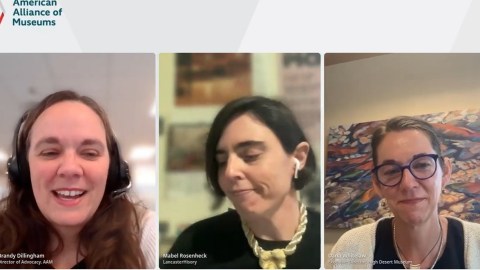
This tipsheet was created with the help of Microsoft Copilot and is informed by content from the Museums & Healthcare Partnerships: Starting the Conversation webinar, featuring Terrie Nolinske, TNI Consultants LLC, Jean Hershner, Nemours Estate, and Rachel White, Birmingham Museum of Art. It is designed to complement the accompanying Museums and Healthcare: A Practical Guide to Partnership.
Why Museums and Healthcare, now?
Research shows interaction with museums can enhance health and well-being. Declines in traditional funding make cross-sector partnerships increasingly important, and healthcare collaborations align closely with museum missions of community engagement.
Tip: Frame partnerships around shared outcomes—not just programs.
Start with Readiness, Not Programs
Assess organizational, emotional, and mission readiness before reaching out externally.
Tip: Authenticity matters more than scale.
Starting the Conversation: Internal Preparation
Identify priority audiences, reduce barriers to access, and pilot ideas.
Tip: Track small wins to build momentum.
Starting the Conversation: External Preparation
Build relationships, share vision, understand healthcare requirements, and remain flexible.
Tip: Kindness and adaptability build trust.
Design Programs That Can Evolve
Support staff wellness, patient and family access, and hospital-based engagement through flexible, responsive programming.
Tip: Expect evolution over time.
Observation, Empathy, and Learning
Museum-based learning strengthens observation, empathy, and clinician well-being. Research demonstrates measurable improvements in clinical observation.
Tip: Collections are powerful educational assets.
Embrace a Pilot-and-Pivot Mindset
Set cautious goals, design pilots with permission to fail, and iterate continuously.
Tip: Responsiveness drives progress.
Final Takeaways
Assess readiness, play to strengths, challenge assumptions, and expand networks to multiply impact. Evaluate outcomes and disseminate results upon which others can build.

Upcoming Events
-
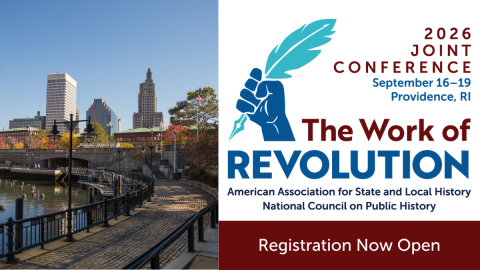
AASLH-NCPH Joint Conference
Event Date:Presented by: American Association for State and Local History (AASLH)Providence, RI -
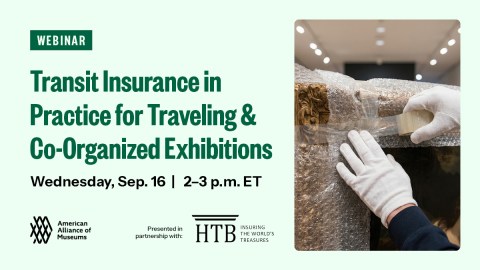
Transit Insurance in Practice for Traveling & Co‑Organized Exhibitions
Event Date:Presented by: American Alliance of Museums -
Digital Collections Summit
Event Date:Presented by: MuseumNext -
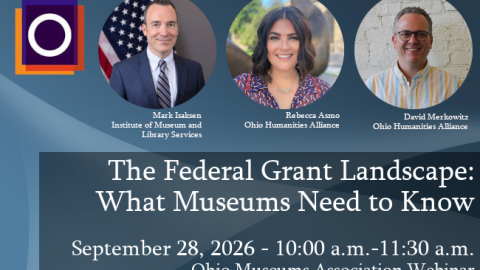
The Federal Grant Landscape: What Museums Need to Know
Event Date:Presented by: Ohio Museums Association