-
Neurodivergent Needs: A Q&A with ADDitude Magazine
 If museums want to be welcoming and accessible, one of the areas they must consider is neurodiversity. How do the ways we process information and stimuli differ from person to person, and how can we design experiences that work across this …
-
Speechless: A sensory exhibition charts a new path to accessibility in learning
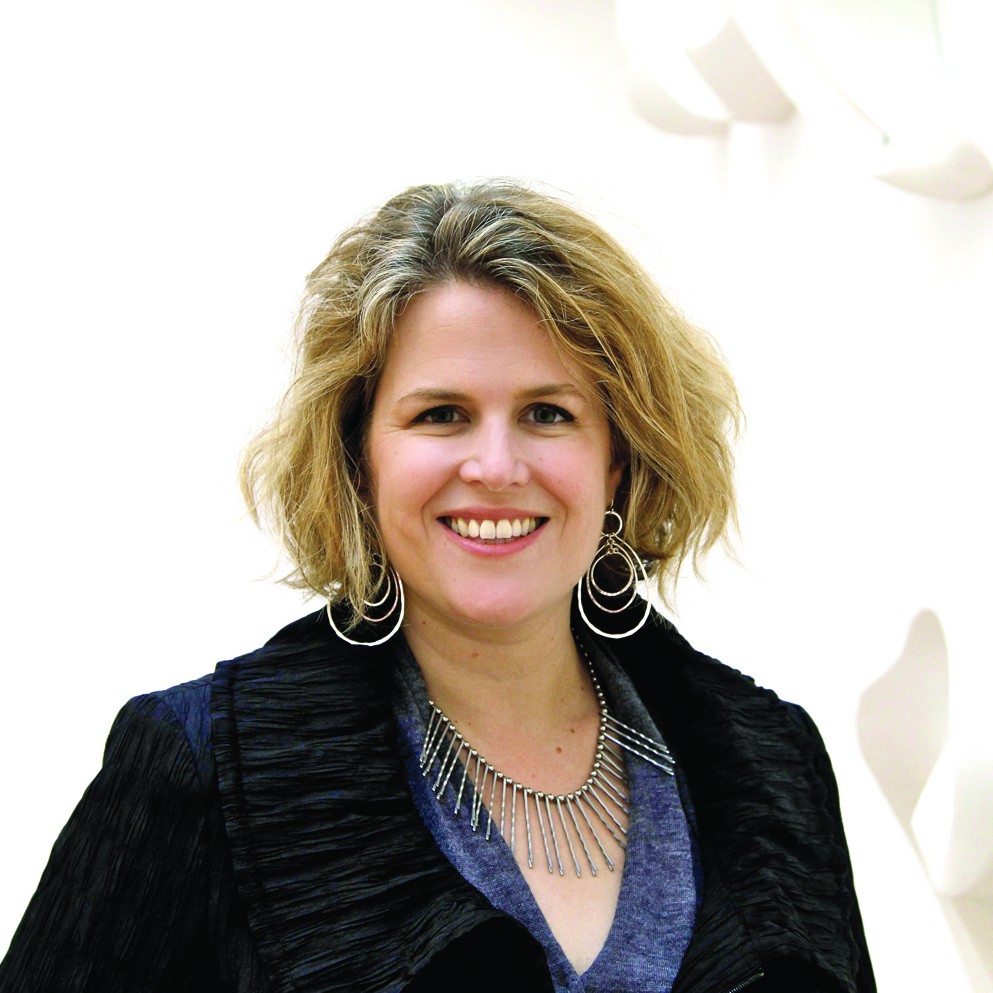 Museums are constantly experimenting with how we can present content in ways that engage and inform a wide audience. Part of the challenge is to consider issues of accessibility and disability, to develop different ways of communicating …
-
Autism in Museums: a revolution in the making
 As we work to increase diversity, equity, inclusion and accessibility among museum audiences and in the workplace, we need to attend to the needs of neurodiverse visitors and employees. In today’s post, Claire Madge, founder of the …
-
Neurodiversifying the Museum
One topic I’ve explored here on the Blog is how museums such as the Pacific Science Center are making themselves more accessible to visitors with autism. And with ACLS Fellow Nicole Ivy, I’ve examined efforts to diversify the museum … -
Futurist Friday: RoboKindness
Here are some facts on autism in the US, from the advocacy group Autism Speaks: Autism now affects 1 in 68 children and 1 in 42 boys Autism prevalence figures are growing Autism is the fastest-growing developmental disorder in the U.S. …
Tag: Autism


Upcoming Events
-
-
-
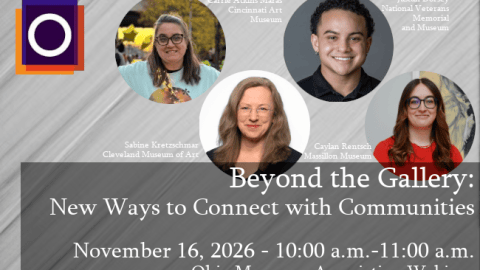
Beyond the Gallery: New Ways to Connect with Communities
Event Date:Presented by: Ohio Museums Association -
Reframing Leadership: A Leader-as-Coach Model for Museums
Event Date:Presented by: New England Museum Association and American Alliance of Museums

Latest Stories from AAM
AAM Statement on the 2026 Midterm Elections
Category:
Press Release
The American Alliance of Museums looks forward to working with the newly elected Congress …
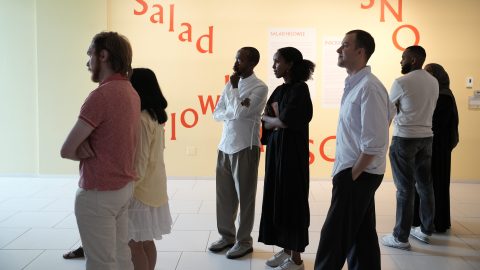
Museum Visitors Are Changing. Here Are 6 Things the Data Tells Us.
Category:
Alliance Blog
What do your visitors value—and what keeps them coming back? Every year, AAM and …
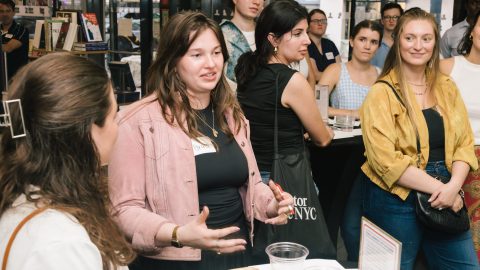
Cracking the Gen Z Code: How Museums Are Rethinking Membership to Engage Younger Audiences
Category:
Alliance Blog
For decades, the traditional museum model was simple: charge an entry fee, offer an …