Research shows that teens want to engage with museums—if they provide the right programming.
In today’s social media era of shortened attention spans and fast-paced trends, teens can see museums as out of touch and antiquated. But teen-focused events, such as free after-hours admission, teen group discussions, and art-making workshops, can attract teens to museums and create genuine engagement.
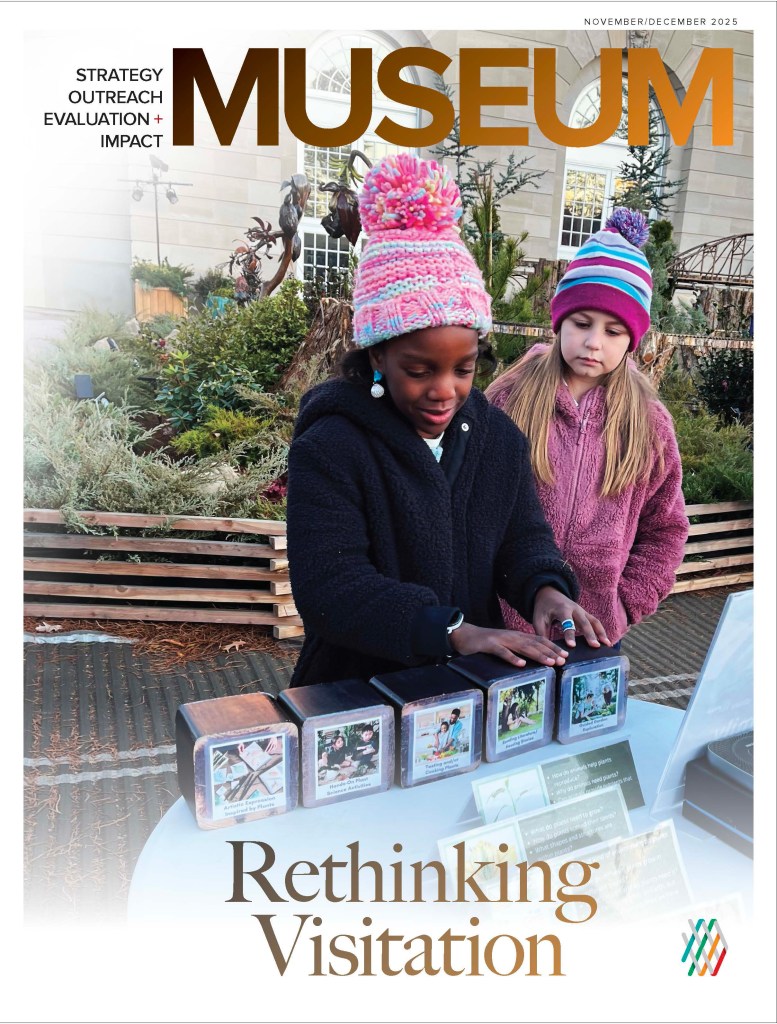
This point of view originally appeared in the Nov/Dec 2025 issue of Museum magazine, a benefit of AAM membership.
» Read Museum.
As a New York City teen and intern at the Museum of Arts and Design, a medium-sized institution dedicated to multidisciplinary and innovative art, craft, and design, I have participated in and facilitated numerous teen events; spoken with different museum professionals; and, along with other interns, created and led a tour of a craft exhibition for teen interns from the Museum of Modern Art. I have witnessed and experienced how certain events can attract and deeply engage teen visitors while others leave them disengaged and dissatisfied.
To discover the factors that contribute to successful teen events, I surveyed 44 New York City teens, ages 13 to 19. They had various levels of museum experience, ranging from interning at a New York museum to attending museums less than twice a year. The respondents were asked about their perceptions of museums, past museum events they had attended, their experiences at these events, and factors that limited their attendance of such events.
Drawing on the results of these surveys and my personal experience, I believe that two major factors contribute to a successful teen event: the opportunity to attend the event with friends and an emphasis on the museum’s unique strengths, such as art making and meeting artists.
What the Data Shows
The survey found that teens do not have an inherently negative view of museums. In fact, 90 percent of respondents said they enjoyed visiting museums, and 57 percent said they attended a museum more than three times a year. The biggest reason that the respondents enjoyed visiting art museums was the experience of the art (81 percent). This suggests that museums seeking to appeal to teens should offer them a deep experience with their collections.
Furthermore, though the most common reason for respondents’ last museum visits was a field trip through their school or another organization (50 percent), 31 percent said it was for a teen event. Fifty-seven percent of respondents had attended a teen event in the last year, and teen events were the leading reason for independent museum visits.
A large majority of the events respondents attended were focused on art making, bringing teens together as a community, or both, and nearly all respondents who attended a teen event in the past year enjoyed it. Sixty-seven percent of respondents said they enjoyed the event because they attended with friends, 58 percent because it felt relevant and authentic, and 50 percent because it was unique and inspired creative thinking. All of the respondents who said the event felt authentic also said they enjoyed museums because they enabled them to experience art. Seventy-five percent of the events that respondents described as authentic were focused on art making, and 63 percent were focused on creating a teen community, suggesting that authenticity is, first and foremost, rooted in engagement with a museum’s collection. The overwhelming majority—92 percent—said they would probably attend a similar event in the future.
These results suggest that successful teen events should focus on activities that appeal to groups of friends while providing an active interaction with the museum’s collection. This interest in the unique qualities of the museum itself is further supported by several respondents expressing a desire to learn more about how museums function and about careers in the museum field.
What Museums Can Do (and Not Do)
A desire to learn about the inner workings of museums is also what drew me to become an intern at the Museum of Arts and Design. Through the internship, I met a wide range of teens from very different backgrounds, interns from museums around the city as well as attendees of teen programs at the Museum of Arts and Design. Some were aspiring artists or curators, while others hoped to someday become lawyers or dermatologists. Despite their different career goals and interests, they shared a curiosity about museums and a desire to exchange ideas and get involved.
As an intern, I facilitated the teen Artslab workshops, which are free programs that allow teens to work with the museum’s artists-in-residence making pieces such as clay rattles and needle felted figurines. Often, groups of friends attend these events. Making art together gives them a new way to interact, allowing them to ask questions and make suggestions about one another’s creations. When I started my internship, I was surprised by how excited teens were to learn new artistic techniques, talk to an artist about their work, and discuss their own lives and identities in relation to their art making.
I realized that many teens longed for opportunities to get involved, interact with museums in a substantive way, and share their own experiences with museums. Teen councils could draw passionate and previously uninvolved teens to museums to help create events that teens want to and are able to attend.
Of the survey respondents who had not attended a museum event in the past year, their two most common reasons were that they did not have time (44 percent) and the events did not feel relevant to them (33 percent). Involving teens in the event-planning process could mitigate both of these issues. Teens know the times and dates that are least likely to conflict with other teens’ schedules, and they can help create events that feel relevant and interesting to their peers.
Importantly, teen relevancy is not in opposition to substantive engagement with a museum’s collection. I remember attending a Halloween event at a museum that featured neon lights, a DJ, and a deserted dance floor. That museum tried to appear relevant to younger people but offered them nothing unique or engaging. A museum is not a club and should not strive to be one.
I believe that genuine, passionate teen engagement with museums stems from the creation of a social environment that is rooted in the unique qualities of museums, offers teens a behind-the-scenes look at the museum field, and gives teens a voice in the kinds of events museums create.
Tips for Attracting Teens
Getting teens to come to your museum may be a challenge, but it is also vital to creating thriving and vibrant institutions. It might be tempting to believe that teens are uninterested in museums, and teen events should de-emphasize the “museum” aspects of the institution. This is, in fact, not the case.
When creating events for teen visitors, consider the following:
- Focus on creating activities of substance that allow for engagement with the museum itself.
- Appeal to groups of friends.
- Give teens behind-the-scenes access to the museum and opportunities to speak to artists and historians.
- Communicate with teens about what they want, and give them a role in the event planning process.
Geva Avnet has been an intern at the Museum of Arts and Design in New York City since the summer of 2024 and is currently in 12th grade.
Upcoming Events
-
Strengthening the History Workforce Virtual Summit
Event Date:Presented by: American Association for State and Local History (AASLH) -
Gettin’ To Know You: The Art of Networking
Event Date:Presented by: American Alliance of Museums -
Environmental Monitoring for Collections of All Sizes
Event Date:Presented by: C2C Care/FAIC -
2026 AIC & CAC Annual Meeting & Conference
Event Date:Presented by: American Institute for Conservation