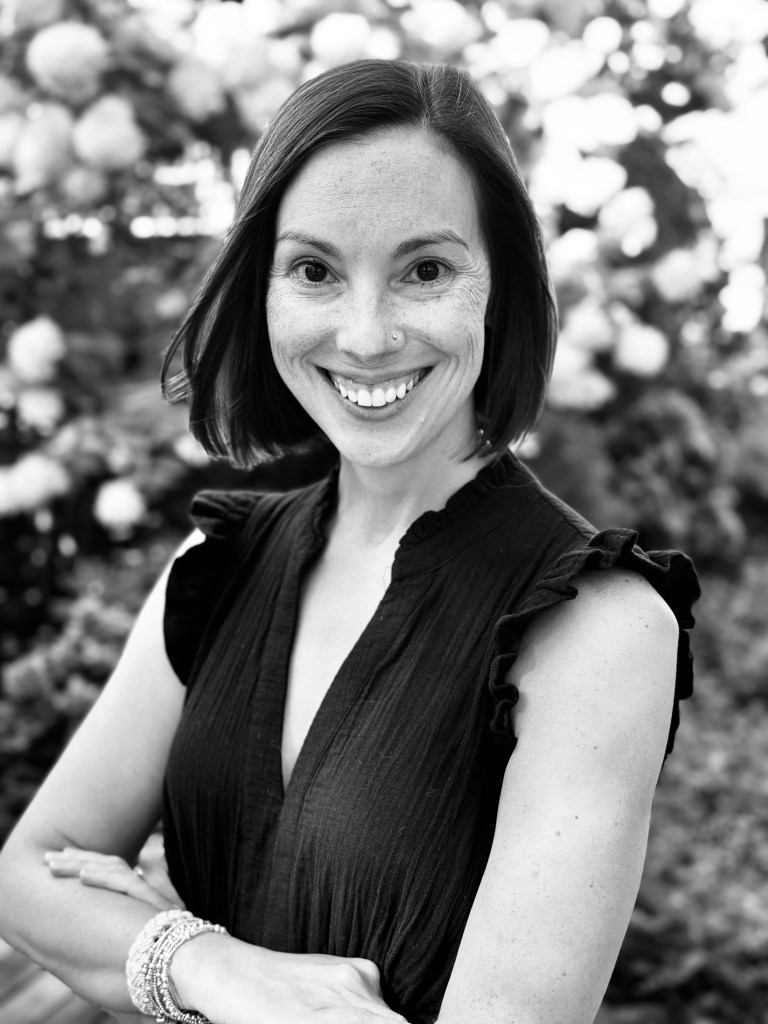
This letter by Exhibition‘s editor Jeanne Normand Goswami first appeared in the journal Exhibition (Fall 2026) Vol. 45 No. 2 and is reproduced with permission. If you don’t read the journal, become a member to receive your digital copy of the full upcoming issues.
Dear Friends,
A self-proclaimed introvert, I’ve always valued time alone, and I find myself seeking solitude and silence even more these days. Perhaps, like me, you’ve taken a break from social media or programmed one or more of your devices to silence alerts or log you out of certain apps just to carve out a tiny bit of time away from the noise. Because there is a lot of noise out there. And it is affecting us all in ways we are only just beginning to understand.
It’s no surprise that exhibition makers are finding new ways to mitigate noise, providing visitors with opportunities to unplug, to reconnect, and to think away from the chatter.
We begin in one of the noisiest cities around: Las Vegas. Just a short distance from the Strip, the team at Springs Preserve has partnered with the Las Vegas Paiute Tribe and other Paiute cultural representatives to reconnect land, people, and language in Nuwu Pahsats (The People’s Garden). At the Denver Art Museum, visitors are invited into an act of quiet, collective exhibition-making around Día de Muertos that asks them to meditate on grief, loss, and the power of memory. Case studies from the Natural History Museum of Los Angeles County, the Irving Archives & Museum, and the National Cheng Kung University Museum in Taiwan follow, each looking at how exhibitions can cut through the noise around contested histories. Rounding out our case studies, we visit the Fitzwilliam Museum in Cambridge, UK, where Happy Place, a pop-up exhibition co-created with youth audiences, explores what it means to slow down, unplug, and tap into joy.
Following these in-depth explorations of individual projects, we turn to three approaches that can be applied across spaces to limit noise: liminal design, “quiet” AV, and neuroinclusive design. Using the different approaches outlined by our authors can help to transition visitors into exhibitions that feel distinct, comfortable, and which provide the space necessary to engage, think, and process on a deeper level.
Rounding out the issue, our exhibition critique looks at a recent presentation of Dolly Parton’s life and legacy at the Country Music Hall of Fame and Museum. And our book review explores Noise: A Flaw in Human Judgment, asking how we might be able to better identify and avoid noise in our work.
Finally, in our Q&A, I speak with Ian Kerrigan, SVP for Exhibitions at the 9/11 Memorial & Museum. After six years as Exhibition’s managing editor, Ian stepped back earlier this year. He has been an invaluable partner over the years, ensuring the journal’s smooth transition from print to digital, managing our editorial calendar, and spearheading everything from issue themes to sponsorships. As sad as I am to see Ian go, I am thrilled to introduce Jane Aspinwall, Deputy Director of the Museum of Wisconsin Art, as our new managing editor and Gloria Roh as our new graphic designer. Together, we look forward to continuing Exhibition’s record of pairing rigorous scholarship with actionable guidance around the questions that are shaping the field.
Jeanne Normand Goswami
Editor
Exhibition journal
Have something to share about an article you’ve read or idea you’ve encountered in Exhibition? Share it with us in our Letters to the Editor.

Upcoming Events
-
From Informational Interview to Real Connection
Event Date:Presented by: American Alliance of Museums and National Emerging Museum Professionals Network -
Understanding the U.S. History Workforce
Event Date:Presented by: American Association for State and Local History (AASLH) -
TrendsWatching: To Live or Die in AI Webinar
Event Date:Presented by: American Alliance of Museums -