Humanities Tennessee (HT) is one of my foresight heroes—an organization using futures thinking to make the world a better place. I had the honor of contributing to this work in 2024, when HT staff took me on a road trip teaching foresight skills to over one hundred representatives of their cultural partners. Today on the blog, HT’s Caroline Carrico tells us how she and her colleagues used this training to fuel the work of their Shared Futures Lab, exploring how humanities programming can impact the future of Tennessee communities and civic life. If I did nothing for the rest of my working life but teach workshops like this in every state of the union, I would feel fulfilled. Let me know if you are interested in hosting a foresight workshop at your museum, a conference, or across your state. I am happy to brainstorm with you to generate ideas for funding these events.
–Elizabeth Merritt, VP, Strategic Foresight and Founding Director, Center for the Future of Museums, American Alliance of Museums
“You lost your federal operating funding.”
“That’s great! We’ve been wanting to experiment with our futurism programming. Since we need to find new funding, let’s get creative about the types of things we do!”
That’s not exactly how the conversations at Humanities Tennessee’s Shared Futures Lab (Lab) sounded in April 2025 when the federal government rescinded our – and every other state humanities council’s – previously awarded operating grant. However, it could have been one of the ice breaker prompts Elizabeth Merritt used at the series of strategic foresight workshops she led in Memphis, Nashville, and Knoxville in August 2024. These workshops helped us create an energized network of humanities professionals primed to think critically and creatively about the future. It also gave our staff critically important tools to be creative about our own future.
Humanities Tennessee started the Lab to encourage Tennesseans to gather, learn, share, and contribute to stories that connect the past to the future by expanding the collective imagination and agency of local communities in the present. Our projects cultivate the future of democratic practice through enhancing civic life, building connected communities through shared experiences and understanding, and establishing a mutual desire to collectively create the future.
From the onset, we chose to call this programmatic focus the ‘Lab’ because experimentation is an integral part of our process. In our attempts to think differently and explore new project formats, we want to be free to make missteps and change course as our questions and understandings evolve. We kicked off the Lab with the strategic foresight workshops to provide us and our statewide colleagues the language and tools to engage with the future.
Aja Bain, Director of Professional Development and Publications at the American Association for State and Local History who participated in Nashville said, “This workshop was fantastic. I loved getting to meet a new mix of Middle TN humanities people and orgs and getting to find creative joy in envisioning the future. The exercises and discussion provided great accessible examples of getting people to consider the future without the fear it usually holds and seeing how approaching the somewhat unknowable with resilience and creativity can inspire innovative and flexible thinking that is key for confronting and preparing for what may be down the pike for history orgs and communities.”
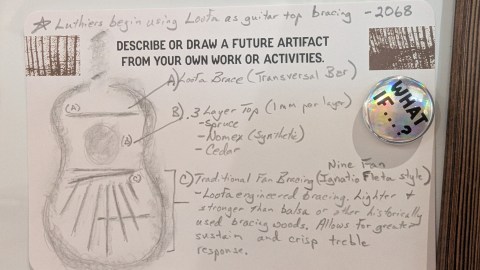
Our organization’s concrete and existential crisis came at the same time that planning for America 250 opened up new funding opportunities. We knew we wanted to use the occasion to reflect on the United States’ founding democratic ideals and imagine how they could function in the future. We also wanted to combine humanities scholarship, individuals’ lived experiences, and speculative design. One of our resulting programs reimagined our podcast as a new series called Curating Tennessee: 1776-2076. We invited curators from museums across the state to tell us about three artifacts that they felt represented the revolutionary process of creating a more perfect union. The first was a historical object, document, or landscape; the second could be anything they would add to their collection to show how this process is being negotiated today; the final object was an imagined artifact that would be created at some moment in the next fifty years that would continue this narrative into the future.
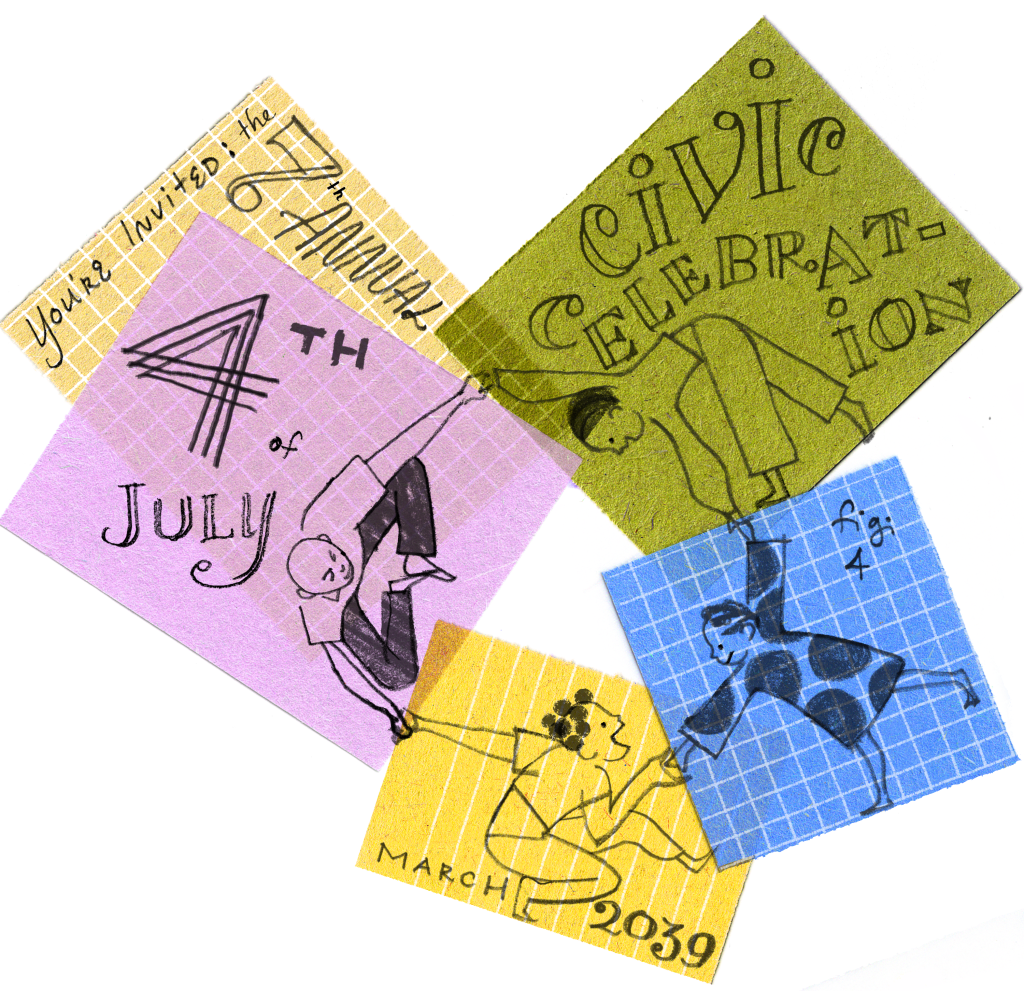
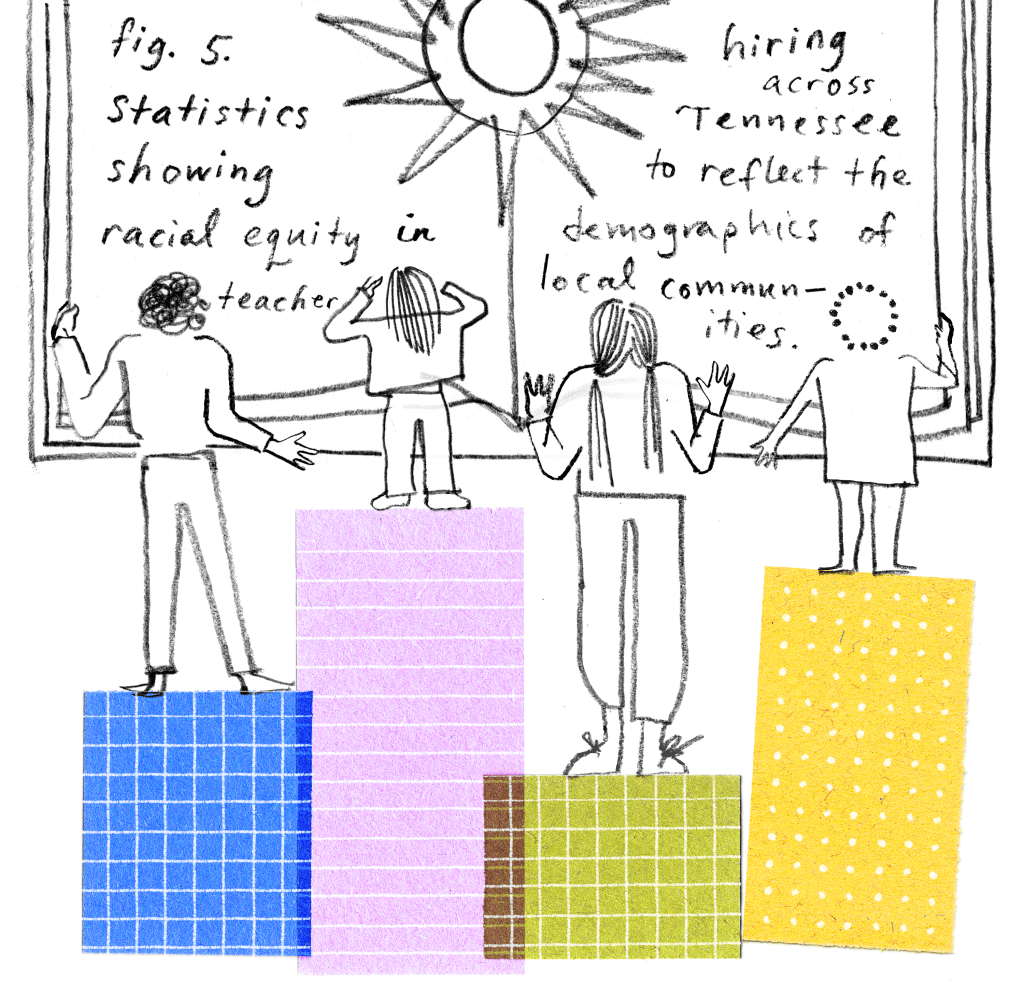
Several of the curators who participated in Curating Tennessee previously attended the strategic foresight workshops and jumped into the process of creating scenarios and artifacts from the future that could inhabit them. The series culminated in a digital exhibit curated by the Lab that used the historic, contemporary, and future artifacts to ask questions about how United States residents understand our relationship to our country and each other. We hired an illustrator to draw our imagined artifacts and added links to current signals pointing to the scenarios from which they emerged.
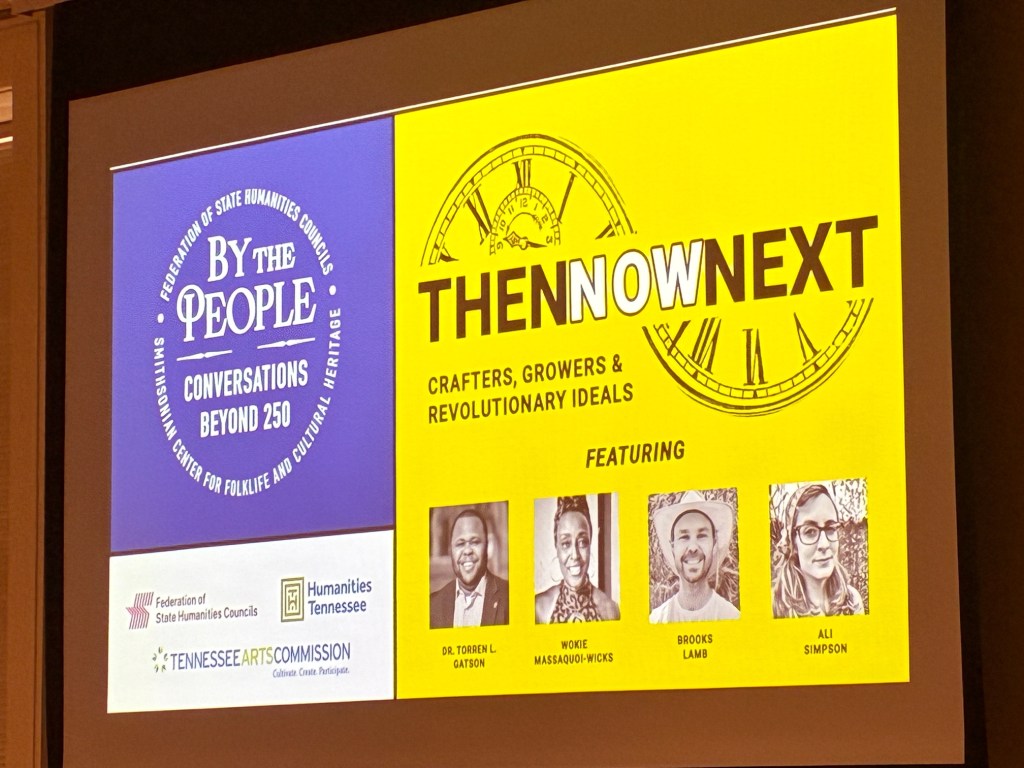
Additionally, we launched a series of events exploring the roles of crafters and growers in the creation and evolution of our new nation and how these practitioners stand to shape the next chapter of American democracy. We began by convening a panel of scholars and practitioners to discuss the history, current realities, and possible futures of these two fields. We followed this discussion with a speculative design workshop led by Dr. Mark Stanley from the University of Tennessee, Knoxville. A group of seven East Tennessee crafters and growers reflected on current trends and challenges to their livelihoods and imagined where that could lead in coming decades.
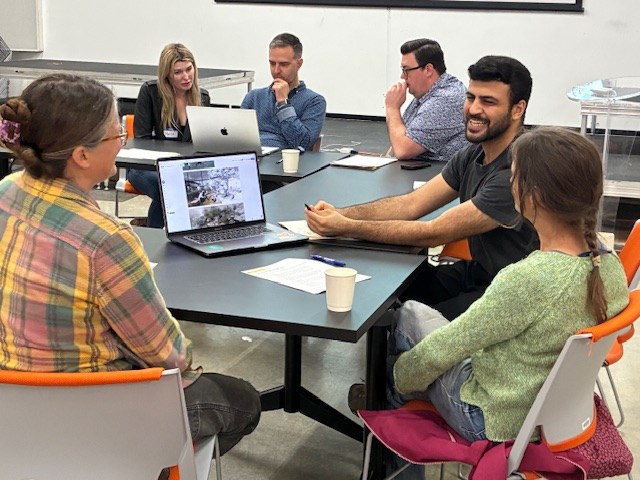
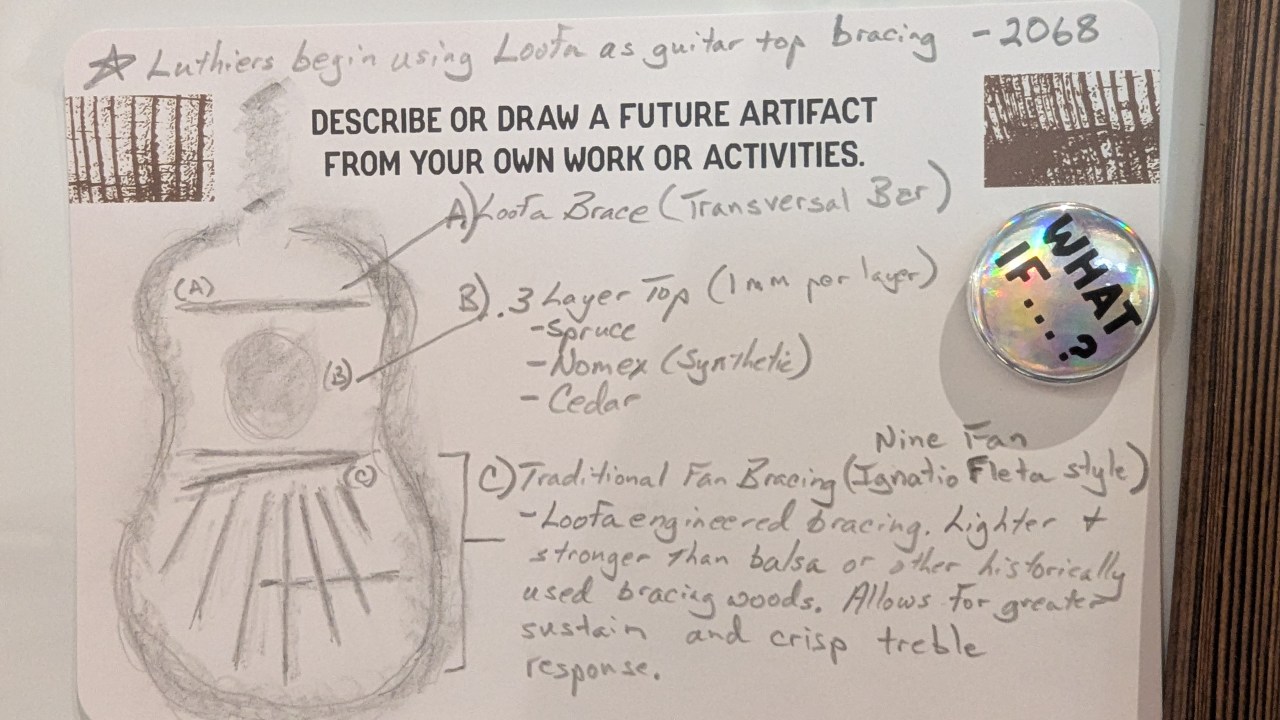
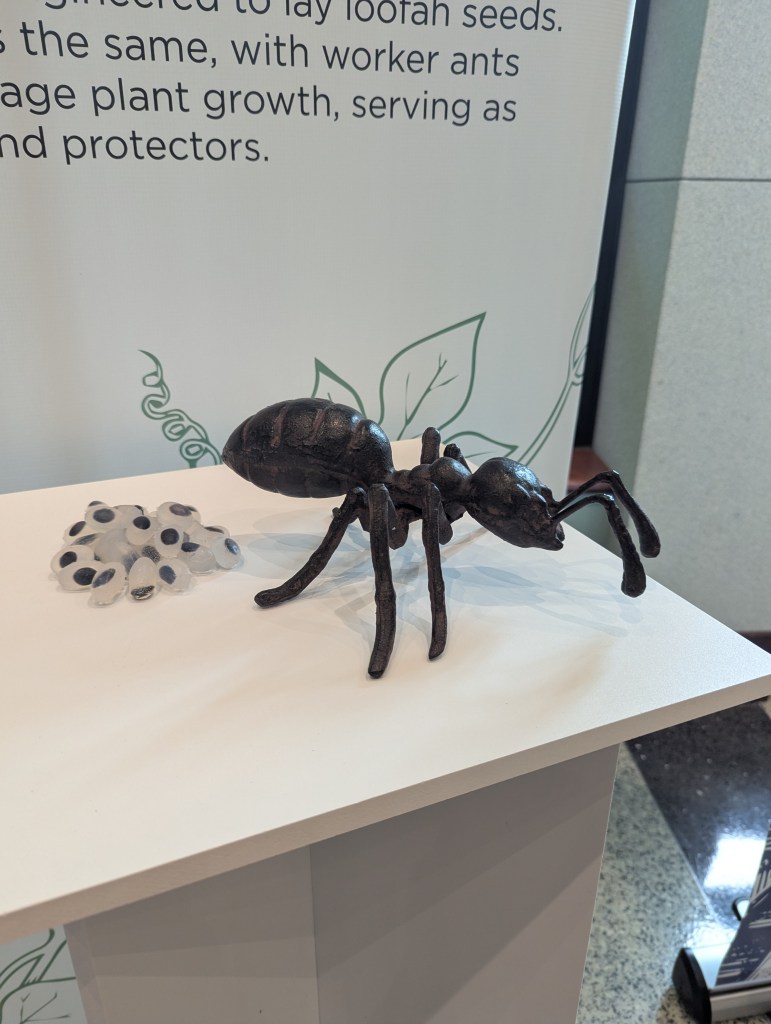
In thinking through these potential changes, the designers created future scenarios about a wide range of topics from loofah farming to craft education to competitive scything. We hired curator Liza Blair to create a temporary exhibit utilizing these designs to invite visitors into the scenarios and imagine how they would react to living in these futures. What If: Designs from the Future of Crafting and Growing combines popup banners, three-dimensional artifacts, and a feedback station to prompt questions and reflections from visitors. The exhibit is currently on tour, and we will publish a digital version once the run ends.
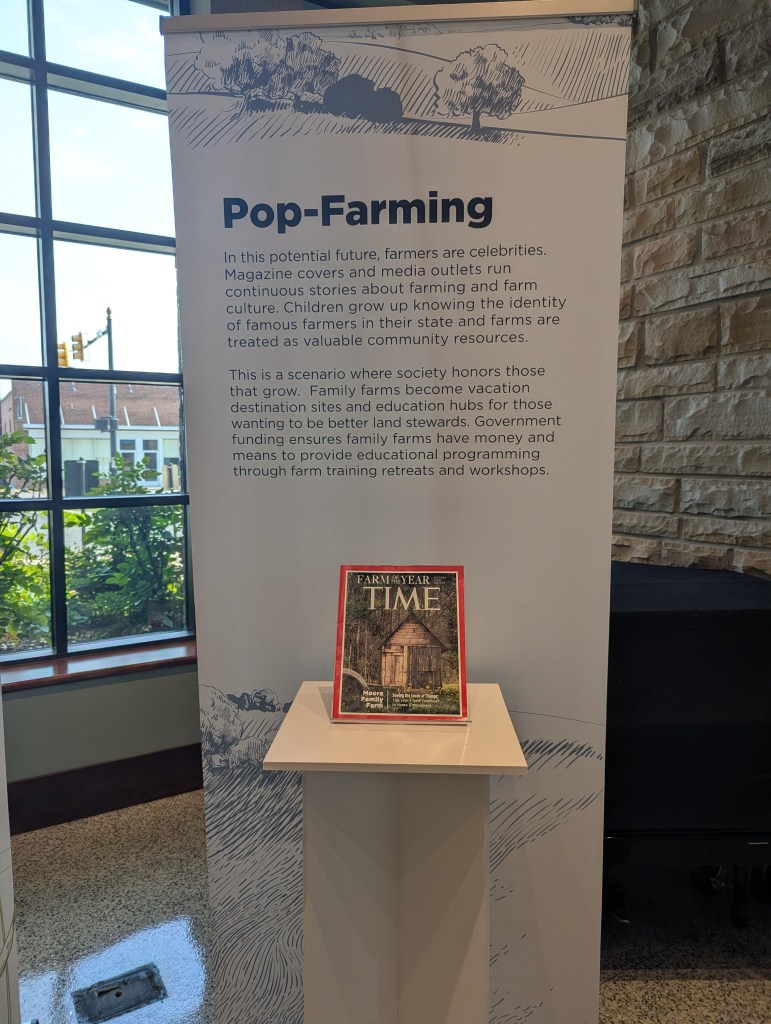
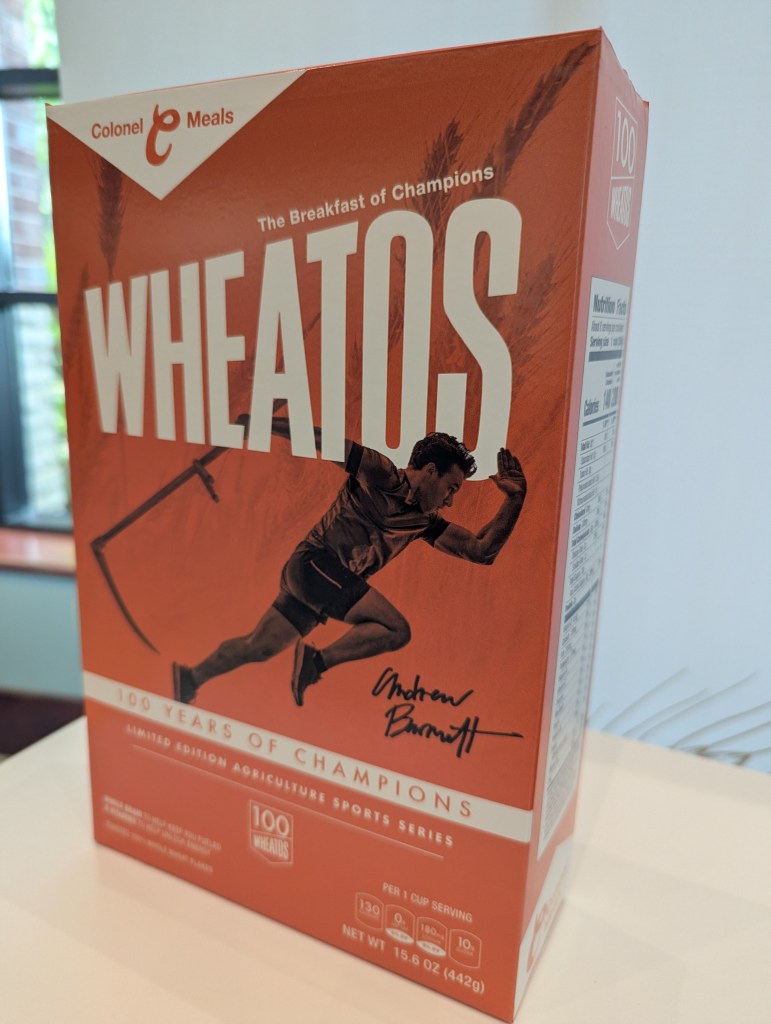
True to our intention, the Lab’s programs continue to morph as we experiment with ways to help Tennesseans be imaginative and intentional about the future. By combining professional development opportunities with public facing programs, we aim to broaden our impact across our state by creating a network of individuals who are comfortable imagining and shaping the future we are creating.
Caroline Carrico is the Shared Futures Lab Correspondent at Humanities Tennessee.
Upcoming Events
-
-
-
Beyond the Gallery: New Ways to Connect with Communities
Event Date:Presented by: Ohio Museums Association -
Reframing Leadership: A Leader-as-Coach Model for Museums
Event Date:Presented by: New England Museum Association and American Alliance of Museums