Event Information
- Date(s): Wednesday, October 21, 2026 - Wednesday, November 11, 2026
- Time: 2:00 pm to 4:00 pm Eastern Time
- Location: Online
This online pilot four-week course will introduce 30 museum professionals to the principles and practices of interpretive planning. Participants will learn how to design museum programs that align with institutional goals while centering visitor needs and experiences. Using frameworks from federal museums and leading museum educators, the course explores how to define interpretive goals, develop themes, assess audiences, and embed evaluation into planning. Through case studies, collaborative exercises, and practical tools, participants will leave with the skills to draft an interpretive plan tailored to their own institution or project. Grab your seat soon!
Thank you for your interest! The Interpretive Planning course is currently full. Stay tuned as we may offer it again next year.
Schedule
Module 1: Building Effective Interpretive Plans
Date: October 21, 2:00-4:00 pm (ET)
Class Time: 2 Hours
Learn how to create interpretive plans that connect institutional goals with meaningful visitor experiences. This module introduces the core components of interpretive planning, including themes, visitor outcomes, goals, objectives, and delivery methods. Participants will explore how museums use interpretive plans to guide the development of exhibits, programs, tours, publications, and digital experiences. Through practical examples and planning exercises, participants will learn how to define desired visitor outcomes and create a roadmap for achieving them. By the end of the session, participants will be able to outline an interpretive planning framework that aligns mission, audience needs, and measures of success.
Module 2: Designing Visitor-Centered Museum Experiences
Date: October 28, 2:00-4:00 pm (ET)
Class Time: 2 Hours
Successful museum experiences begin with a deep understanding of audiences. In this module, participants will learn how to incorporate visitor perspectives into planning and decision-making. Topics include audience identification, visitor motivations, personas, experience objectives, and the use of audience research to inform program and exhibit design. Participants will examine how museums can balance institutional priorities with visitor expectations while creating experiences that are engaging, relevant, and memorable. By the end of the session, participants will be able to identify target audiences, define visitor experience goals, and apply audience-centered planning techniques to their own projects.
Module 3: Using Evaluation to Improve Museum Programs and Experiences
Date: November 4, 2:00-4:00 pm (ET)
Class Time: 2 Hours
Discover how evaluation can strengthen museum exhibits, programs, and visitor experiences. This module introduces the evaluation process and demonstrates how museums use evidence to assess effectiveness, improve outcomes, and support organizational goals. Participants will learn the differences between front-end, formative, and summative evaluation, as well as how to develop meaningful evaluation questions and measures of success. The session emphasizes practical approaches to gathering information about visitor learning, engagement, satisfaction, and behavior. By the end of the module, participants will be able to identify what success looks like for a museum project and develop an evaluation approach that supports continuous improvement.
Module 4: Planning and Conducting Museum Evaluations
Date: November 11, 2:00-4:00 pm (ET)
Class Time: 2 Hours
Gain practical tools for designing and implementing museum evaluation projects. Participants will learn how to define evaluation goals, establish baselines, select research methods, and collect actionable data. The module covers surveys, interviews, focus groups, observation techniques, visitor tracking, and other common evaluation methods used by museums. Participants will also explore data analysis, reporting findings, and using results to inform decision-making. Special attention will be given to selecting methods that match project goals, audiences, and available resources. By the end of the session, participants will be able to develop a basic evaluation plan and select appropriate methods to measure visitor outcomes and organizational impact.
Instructor:
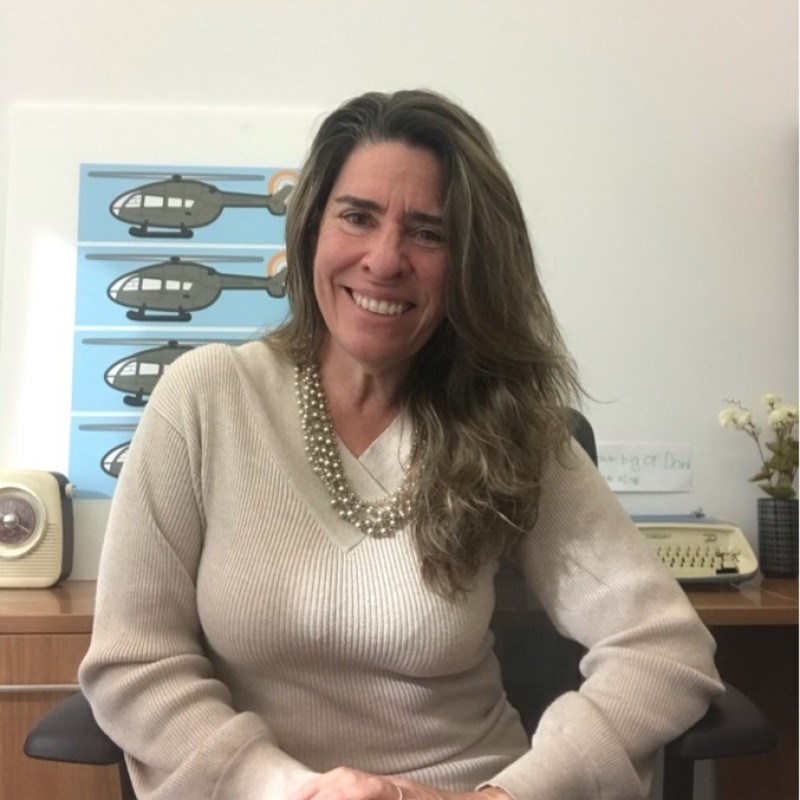
Elizabeth Maurer, Director of Re-Living History
Liz Maurer specializes in interpretive planning and museum evaluation, helping organizations design meaningful visitor experiences and measure impact. She consults with nonprofits as Director of Re-Living History and teaches museum evaluation as an adjunct at George Washington University. Her expertise includes audience development, exhibit planning, and educational strategy.
Registration is closed.
The statements and opinions expressed by panelists, hosts, attendees, or other participants of this event are their own and do not necessarily reflect the opinions of, nor are endorsed by, the American Alliance of Museums.
Upcoming Events
-
Industry Showcase: Innovative Digital Solutions
Event Date: -
Getting Started in Local Advocacy
Event Date:Presented by: American Association for State and Local History (AASLH) -
Creative Museums Summit
Event Date:Presented by: MuseumNext