A brief guide to terms that may be popping up in your newsfeeds.
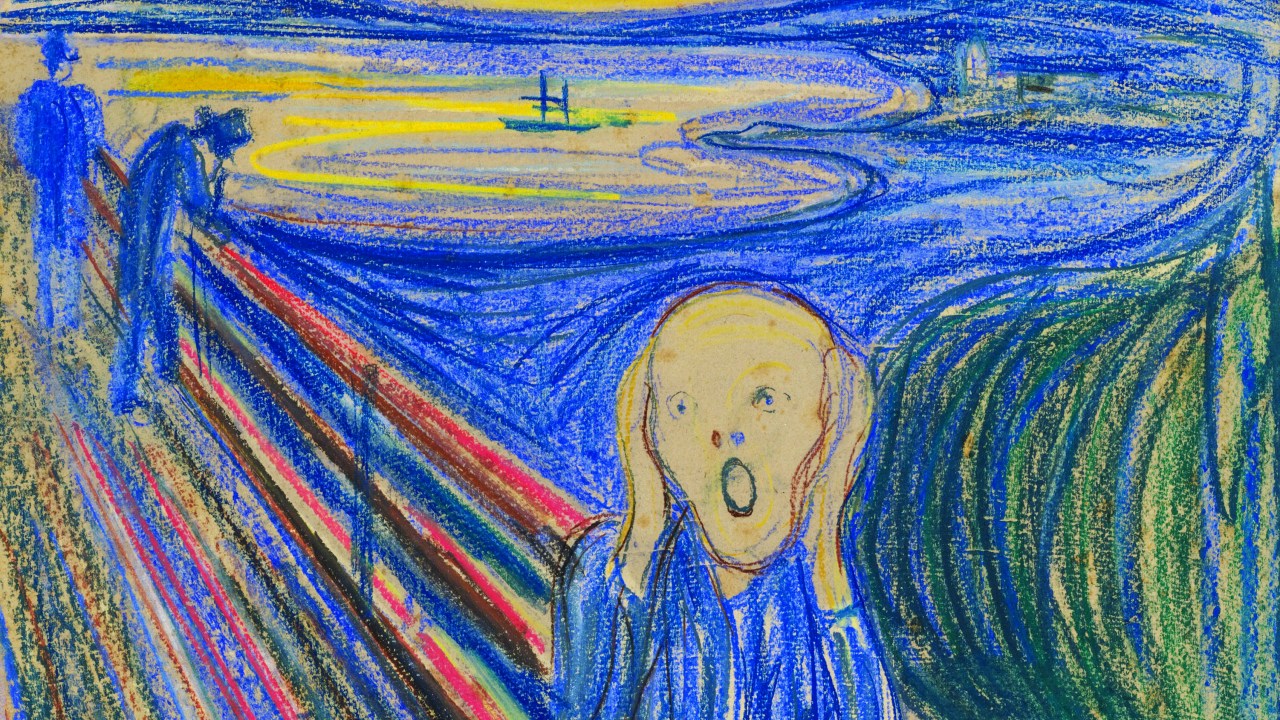
Outrage fatigue: a state of emotional exhaustion, apathy, cynicism, or hopelessness caused by over-exposure to news or events that provoke anger or disgust. In the evolution of human culture, outrage fostered community cohesion and enforced compliance with social norms. Psychologically, outrage can bolster an individual’s self-esteem and fuel a dopamine-high of righteousness. (See also, virtue signaling and moral grandstanding.)
The algorithms that govern our social media feeds boost outrage-inducing content to maximize engagement and profit. However, the resulting tide of negative news can amplify partisan polarization and sap our capacity to respond to truly outrageous events. Ways to combat outrage fatigue include strategically managing news consumption; limiting engagement via social media; and building a safe, supportive community with which to discuss issues in real life.
This article originally appeared in the Jan/Feb 2026 issue of Museum magazine, a benefit of AAM membership.
» Read Museum.

“The Algorithms that govern our social media feeds boost outrage-inducing content to maximize engagement and profit.”
Model collapse: a phenomenon described by a growing body of research demonstrating that AI models trained on AI-generated content produce increasingly defective results. (This is also known as “Habsburg AI,” in reference to the deleterious effects of inbreeding in human families.) After multiple iterations of training on their own content, language models start spouting repetitive gibberish (e.g., “To cook a turkey for Thanksgiving, you need to know what you are going to do with your life if you don‘t know what you are going to do with your life if you don‘t know what you are going to do with your life …”). Following four rounds of training on a diverse array of AI-generated human faces, one image generator could only produce faces that looked virtually identical. This suggests that functional, high-quality AI may depend on the continual injection of high-quality, human-made data. This may limit the functional lifespan of general purpose generative AI. If as many pundits project, AI displaces the majority of human creators (writers, artists, musicians), the system as a whole may collapse.

Upcoming Events
-
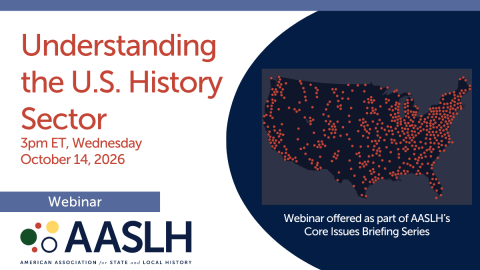
Understanding the U.S. History Sector
Event Date:Presented by: American Association for State and Local History (AASLH) -
-
-
Industry Showcase: Innovative Digital Solutions
Event Date: