Climate risk is disrupting the insurance industry at an accelerating pace, affecting the cost of insurance for museums and, for some institutions in high-risk areas, making it difficult to find coverage at all.
This article originally appeared in the Jan/Feb 2026 issue of Museum magazine, a benefit of AAM membership.
» Read Museum.
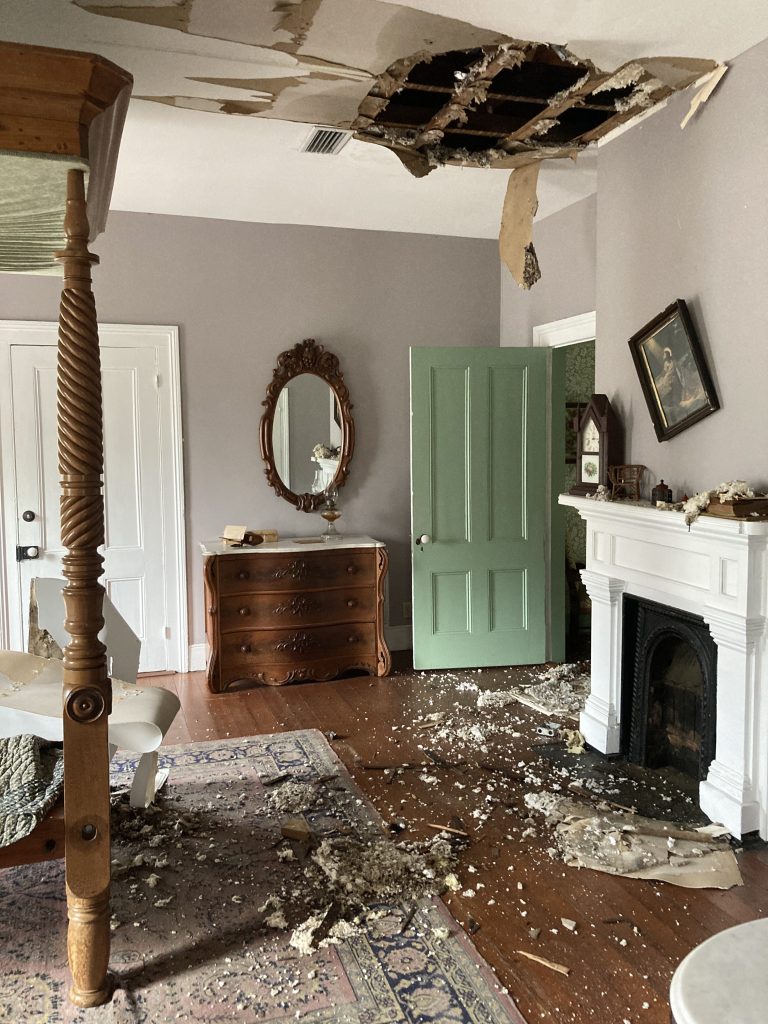
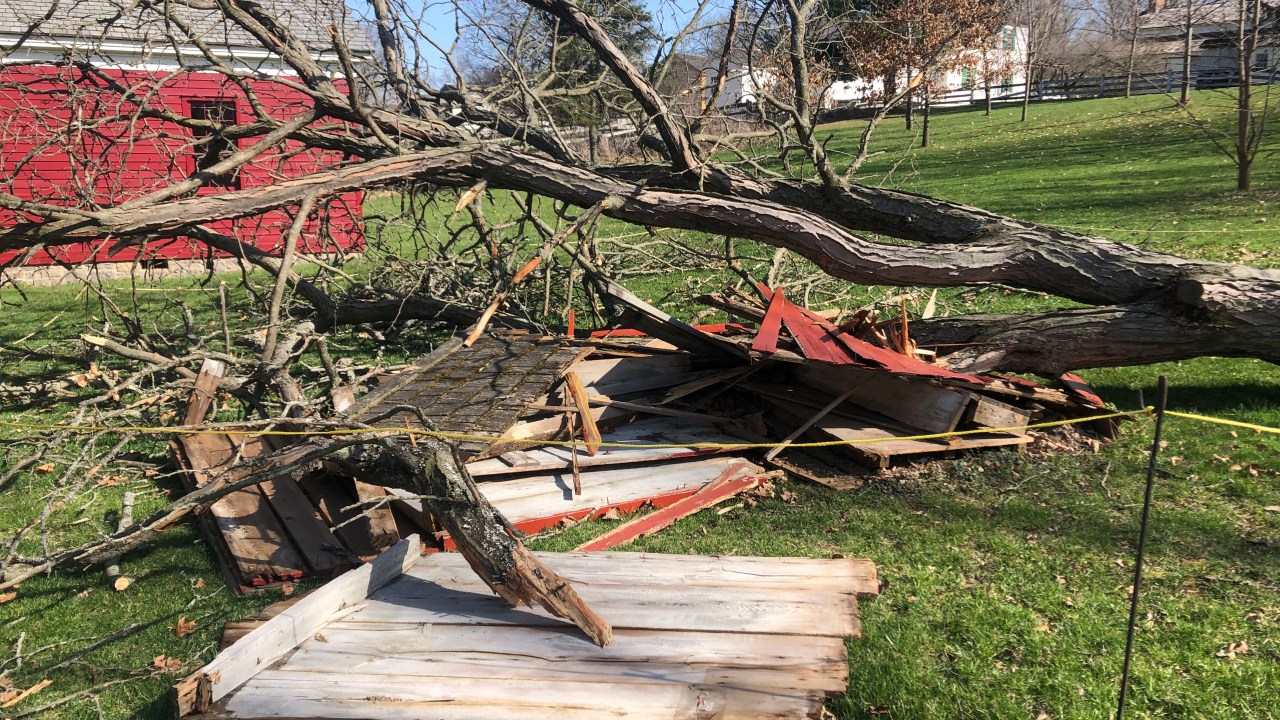
Historic Trust staff took special care to document
the damage to its nine-acre, 30-building property
for insurance.
A 2024 Senate committee investigation on insurance nonrenewal found that in 200 US counties, the rate at which insurance companies dropped policies has tripled or more since 2018. As New York Times reporter Christopher Flavelle points out, the consequences could be profound: “Without insurance, you can’t get a mortgage; without a mortgage, most Americans can’t buy a home. Communities that are deemed too dangerous to insure face the risk of falling property values, which means less tax revenue for schools, police and other basic services.” (Not to mention cultural organizations.) The financial impact of climate risk is being accelerated by people moving to areas at high risk of flood, fire, and drought; the rising cost of rebuilding; and the increasing frequency and size of climate catastrophes. The federal government, which traditionally stepped in to help in the wake of natural disasters, has downsized the Federal Emergency Management Agency, cancelled $11 billion in disaster payments to states, and imposed onerous restrictions on the aid it does continue to provide.
Now some are questioning whether insurance as we know it can survive at all in the face of these challenges. Traditional insurance is premised on the distribution of risk: small premiums paid by many cover the losses of the unlucky few. For now, insurance companies are adjusting to rising risk by withdrawing from some markets and raising premiums (though these price increases may not cover their true costs.) To illustrate the scope of potential cost overruns: after the 2025 Los Angeles wildfires, state regulators allowed its insurance safety net program to collect $1 billion in additional funds from its member insurance companies to cover the resulting claims. As climate-related damage becomes more extreme and pervasive, how will the industry survive?
Many museums are working to mitigate risk by, for example, incorporating fire-resistant landscaping, “zoned” fire resistance, permeable pavement, and flood-control catchments into their campuses. However, such steps, while prudent, may have no effect on the cost or availability of an organization’s insurance.
In the face of these disruptions, museums may need to diversify their financial risk management to include tools such as:
Self-insurance. Traditional insurance transfers risk to a third party to protect an organization against the financial damage of adverse events. With such coverage becoming increasingly difficult or expensive to procure in some areas of the country, museums might consider setting aside their own funds to cover potential losses. Such self-insurance can range in scope from accepting a higher deductible to managing a fund that assumes all losses for a particular risk.
Catastrophe bonds. These are a form of insurance that transfers the risk of a major natural disaster to investors via high-yield financial securities. If a particular named event occurs (e.g., hurricane of a given size, flood of a given level), the covered organizations receive a predetermined amount from the bonds. This structure results in a faster, more streamlined payout as they don’t have to wait for insurance adjusters to assess the damage and calculate actual loss. It is an attractive opportunity for investors because if the named event doesn’t occur before the bond matures, they profit from high interest payments on their principal. This arrangement flips the usual insurance model—rather than covered entities paying premiums, investors receive premiums in return for providing protection. Globally, the catastrophe bond market is booming, reaching a record $17.7 billion in 2024.
Museums Might …
- Use the National Risk Index created by FEMA to check the levels of risk from natural hazards for their county. In 2025 FEMA deleted this interactive map, which provides information on expected annual loss, social vulnerability, and community resilience, but it was re-created by the Environmental and Energy Law Program at Harvard Law School: fulton-ring.github.io/nri-future-risk/.
- Consult the interactive tool created by The New York Times to check insurance nonrenewal rates by state and county: nytimes.com/interactive/2024/12/18/climate/insurance-nonrenewal-rates-policies-state-map.html.
- Equipped with information from these sources, start a conversation with their insurance provider. Does the provider anticipate raising premiums due to these risks? Could the museum lose its coverage, particularly if it is damaged by natural disasters in coming years?
- Review their options for insurance coverage in case the organization needs to control rising costs, or find an insurance company willing to provide coverage for a high-risk site.

Upcoming Events
-
Creative Museums Summit
Event Date:Presented by: MuseumNext -
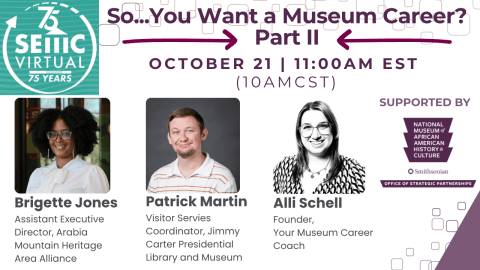
So…You Want a Museum Career? Part II
Event Date:Presented by: Southeastern Museums Conference -
-
Doing History in Polarized Times
Event Date:Presented by: American Association for State and Local History (AASLH)