Recent news from the world of US philanthropy is both optimistic and concerning. On the plus side, according to Giving USA’s 2026 report, a record $617.2 billion was donated to various charitable causes last year, reflecting a 5.7 percent increase over 2024. On the minus side, giving by individuals has continued to decline, a trend that has persisted since the early aughts, affected by economic shifts, tax law changes, and the pandemic. This now chronic decrease in donor participation is most acute among lower-level givers, who contribute less than $500 annually, a threshold formerly considered a steppingstone to higher level patronage.
AAM’s 2025 National Snapshot of US Museums affirms that concerns about philanthropy are impacting the field, alongside other post-pandemic financial challenges such as weakened attendance, lost government funding, and rising inflation. There is, however, a bright spot for one source of individual giving: over 70 percent of museums in the survey reported a steady state or slight increase in membership enrollment. Intrigued by this data point, I spoke with three museums that are experiencing growth in membership to learn what they’re doing to attract more broad-based giving. Although of different organizational size, collection focus, programmatic content, regional culture, and constituency, each museum has foregrounded community engagement as a prelude to membership expansion.
High Museum of Art, Atlanta, GA
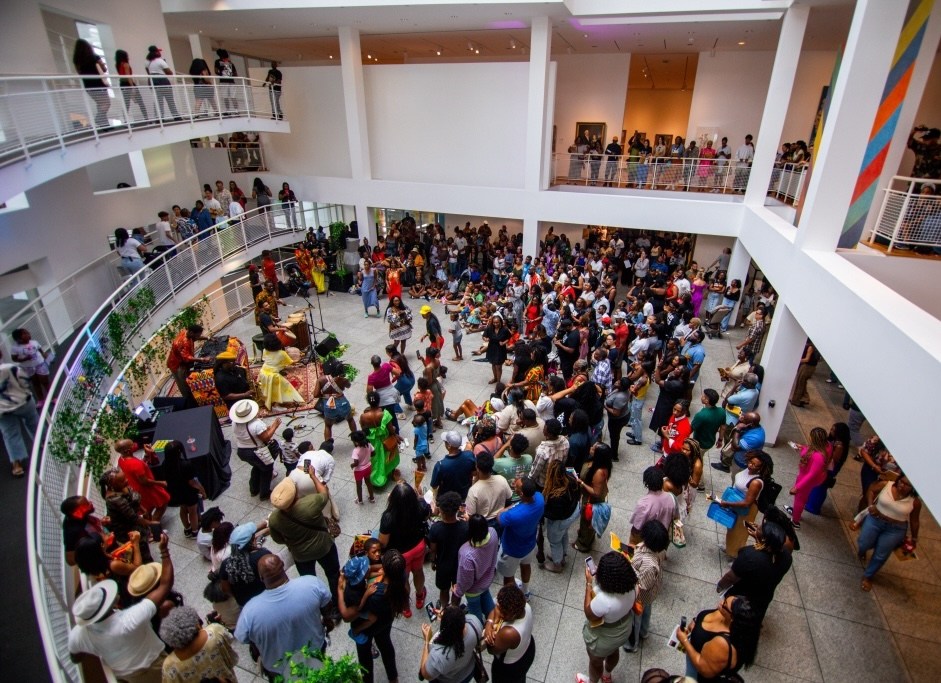
On the eve of its 100th anniversary, the High Museum of Art’s decade-long experiment to become more relevant and essential to the diverse citizens of Atlanta is showing remarkable staying power. The museum has deliberatively synced its “strengths with the community’s needs and interests,” says Rand Suffolk, director since 2015. Known for its majestic architectural complex and wide-ranging, 20,000-piece collection, the High seeks to enhance the city’s “social fabric…[by offering] opportunities for connection, inspiration, and meaning.”
Under Suffolk’s direction, the High has changed how it operates to advance a community-centric, participatory culture. It has reduced admission fees and expanded free programming; reframed exhibition content to be more inclusive, especially of Black, Indigenous, and People of Color (BIPOC) and other underrepresented artists; and acquired over 2,700 objects to diversify the collection. It has also partnered with nearly 30 community organizations to better serve Atlanta’s greater metro population; instituted local marketing campaigns aimed at regional residents; and developed programming to attract diverse, multigenerational audiences.
One in-demand new program is High Frequency Fridays, energy-packed, DJ-curated journeys through the museum’s galleries that have sold out for the past 42 months, attracting 3,000 people per event. On the third Saturday of every month, the High also hosts Oasis, an adult program that uses movement, sound, artmaking, and conversation to foster contemplation and mindfulness, transforming the museum into a “sanctuary.” And UPS Second Sundays welcome over 4,300 visitors per month for free, family-friendly activities that involve artmaking and live performances in concert with special exhibitions.
This intentional, community-oriented shift has moved the High from what Suffolk refers to as the “attraction” phase to “affiliation,” as evidenced by the change in visitor demographics, which now skew younger and more racially diverse than before. Over 70 percent of visitors are under age 45 (exclusive of school kids) and 55 percent identify as BIPOC (consistent with the Metro Atlanta region).
In tandem with this shift, membership has exploded. In FY 2021, the High had 22,800 members, who contributed $1.86 million in revenue. By FY 2025, membership had grown to 45,800 households generating $4.1 million in revenue—increases of 101 percent and 119 percent, respectively, over the five-year period. Early numbers for FY 2026 indicate further growth, with a 2-percent increase in memberships and an 8-percent increase in revenue over the prior year.
Museum of the Moving Image, Astoria, NY

Three years ago, under the new leadership of Executive Director Aziz Isham, the Museum of the Moving Image (MoMI) set out to attract more expansive and diverse visitors to the museum, reflective of its bustling, multicultural Queens community. When Isham arrived in 2023, the museum of film, television, and digital media hadn’t yet recovered from the pandemic and was experiencing low attendance, unfilled staff positions, and unaddressed infrastructure issues. Theorizing that audience development would lead to member engagement, MoMI has since worked to become a community hub built on sustained relationships.
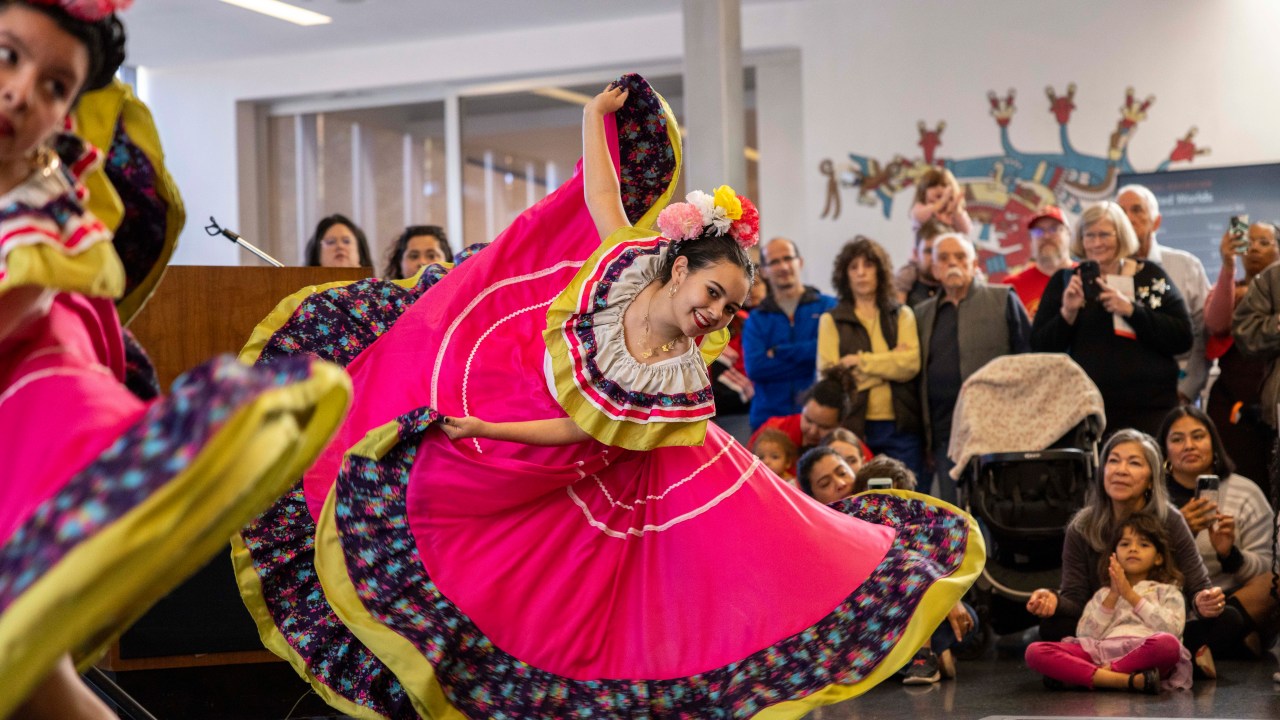
First, the museum moved its admissions gate from the front door to the second-floor galleries, opening to the public the beautiful lobby that had been redesigned in 2008–11 by Leeser Architecture as part of a 48,000 square-foot expansion. Then the staff activated the space with Open Worlds, a program of free, family-friendly, weekend activities, both playful and serious, aligned with MoMI’s exhibitions and film screenings. Initially, MoMI invited proposals from community members that were vetted and greenlighted by a museum-wide staff committee. Now overseen by dedicated public programs professionals, offerings are eclectic and designed to spark curiosity about the moving image. They include performances, conversations with media industry specialists, artist talks, video gaming, hands-on media-making, fan meetups, holiday-themed events, and other key visitor attractions.
More inventive programs soon followed, including those that showcase moving image technology used in science. A past offering paired scientists with mushroom enthusiasts, who foraged fungi during neighborhood walking tours and then returned to the museum to examine specimens under electron-scanning microscopes and watch films about fungi. A current exhibition and related programs explore medical imaging technology. This spring, the museum opened MoMI LAB, a free, artist-led public space that examines how emerging technologies are influencing creativity, culture, and daily life. One artistic intervention involves a crowd-pleasing robotic dog that roams the museum and maps its excursions using Light, Detection, and Ranging (LiDAR) technology that allows visitors to see from the perspective of the computer-engineered canine.
MoMI also addressed some longstanding maintenance issues, investing $12 million in infrastructure improvements to create a more comfortable environment for visitors. The museum partnered with New York City’s administrative services department to replace its cooling and lighting systems with energy-efficient equipment. It also made cosmetic upgrades to its 262-seat theater and installed a new Dolby Atmos, 63-channel immersive sound system “that is the best in the city,” Isham states proudly. And it reopened the lobby café with assistance from the Latino Restaurant Association, securing a new operator to provide a suitable menu and price point for visitors. The café is now the spot for weekend happy hours among a lively social set.
These efforts helped to double attendance from 152,000 to 311,000 visitors between 2024 and 2025, 50 percent of whom are repeat visitors. Admissions revenue has also increased by 44 percent, from $1.31 million to $1.88 million. Membership enrollments have seen a corresponding upward shift, boosting income by 12 percent, from $166,000 to $185,000, driven largely by early access benefits to exclusive events that often sell out. Preliminary tallies for FY 2026 signal a continued upward trajectory, with a 50-percent increase in attendance, a 24-percent increase in membership enrollments, and a 37-percent increase in membership revenue. Isham views membership recruitment and retention as one of the next major growth areas for the museum.
Nelson-Atkins Museum of Art, Kansas City, MO
Like most US cultural organizations, COVID-19 closures had a deleterious effect on visitorship and membership at the Nelson-Atkins Museum of Art. The beloved, 92-year-old encyclopedic museum stewards over 40,000 works that span 5,000 years of history. After taking stock of its situation post-pandemic, the museum committed to becoming a “‘third space’ for the community,…a place of respite, gathering, and learning,” explains Bailey Carr, who directs its Friends of Art and Community Impact Fund. The Nelson-Atkins purposefully made an institutional shift to emphasize inclusion, belonging, and well-being that was highlighted in a new strategic plan adopted in 2021. Like the High and MoMI, the museum diversified its exhibition and programmatic content to attract a wider audience and initiated an annual presentation featuring local artists to engage the creative community.
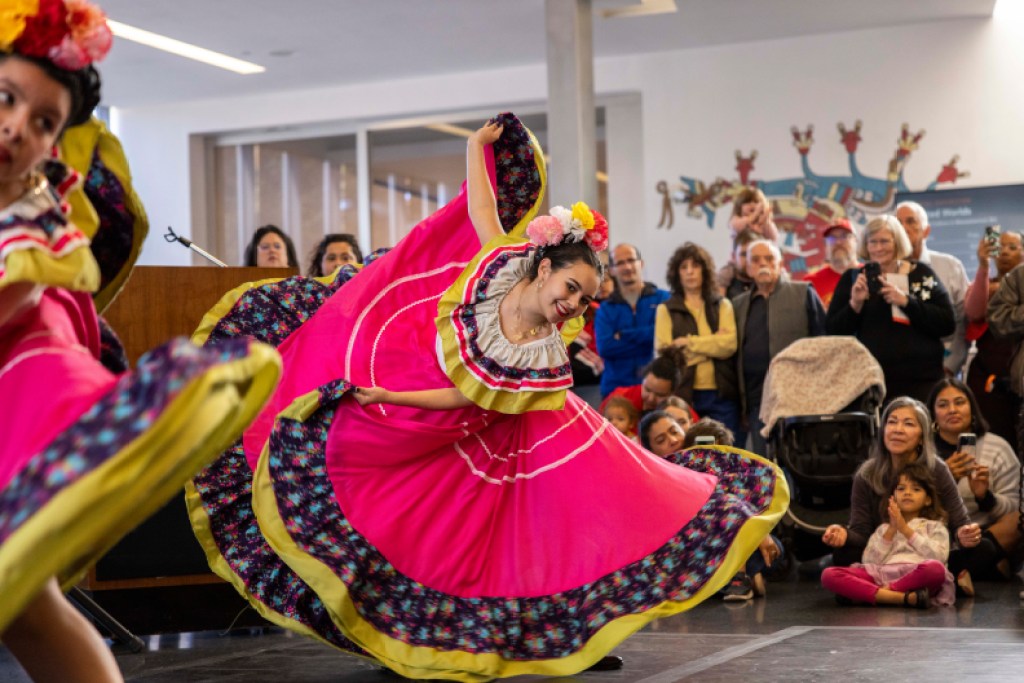
Consistent with its near-30-year policy of free admission, the Nelson-Atkins programmed free, family-oriented festivals, now numbering seven per year, that routinely bring cross-generational crowds to the museum. In 2023, it began an immersive and experimental series that uses light and sound to tell art-themed stories as social experience. It also introduced Night/Shift, a free, evening program of artmaking, live performances, and gallery explorations designed for 18- to 24-year-olds that regularly sell out—the most recent event in May 2026 attracted 1,500 attendees.
Earlier this year, the museum underscored its commitment to the region by hiring an inaugural director of civic engagement and community programs to continue these public-facing activities. And when the Nelson-Atkins unveiled a design competition in 2024–25 for a campus expansion, members and the general public were given the opportunity to weigh in on architect selection. Weiss/Manfredi Architecture won not only the trustees’ approval but the popular vote for its “connected tapestry” design uniting “culture and community.”
Taken together, these changes have had a significant impact on reversing the drop in attendance and membership. Since the Nelson-Atkins reopened after the pandemic, visitorship has grown steadily, from 401,000 visitors in FY 2021 to 549,600 in FY 2025, an increase of 37 percent. A dedicated focus on membership development has produced a 25-percent increase in enrollments, from 12,200 general members in FY 2021 to 15,200 in FY 2025. Membership revenue has grown nearly 40 percent in that same time period, from $3.5 million in FY 2021 to $4.9 million by FY 2025. Like the High and MoMI, FY 2026 pre-audit results show every indication that this ascendant trend is enduring at the Nelson-Atkins.
So what advice do these museums have for the field to help deliver similar results in membership growth? “There’s no secret sauce,” as Isham contends, but there are many proven methods that work:
- Focus on organizational strengths and regional character. Identify what makes an organization and community distinctive and honor those traits, including the permanent collection and local lore. The High Museum has capitalized on Atlanta’s growing visual arts, music, and film industries to collaborate with the region’s creatives and promote artistry from the American South. MoMI saw a need in its borough for workforce development and began offering workshops on AI, art and technology, and resume writing and employing 120 interns annually. The Nelson-Atkins took advantage of its 90th anniversary in FY 2024 to invite the public to reminisce and celebrate the museum’s historic role in the city.
- Embrace community. Lessons from renowned museum administrator Stephen Weil and the Magnetic Museums that Beth Tuttle and I studied over a decade ago still have resonance. Recognize that fundraising is a form of community-building. Get to know and be responsive to regional audiences, which doesn’t mean pandering to them or de-emphasizing the research and learning aspects of museum practice. Instead, it means becoming a “neighborhood partner” and creating a “pro-social environment” where people choose to return again and again, as Isham advocates. Doing so helps to create social cohesion, engender trust, strengthen community ties, and encourage belonging—the philosophical spine of membership practice.
- Experiment and allow for failure. Be flexible and afford some leeway for testing programs and benefits to learn what works best in engaging audiences, and ultimately, members. MoMI leveraged fan culture in its programming, which has compelled repeat attendance and committed members. But the museum admits that it took three tries before it found the right café partner with a customized, affordable menu that complements MoMI’s free programs.
- Prioritize stewardship. Instill a practice of sincere appreciation when communicating with members and do so regularly. At the High, new members receive phone calls from staff and a series of personalized e-communiqués welcoming them to the museum. “We express a lot of gratitude and communicate how much our members mean to us over and over,” says Aisha Moss, the High’s associate director of membership. The Nelson-Atkins named its member monthly e-newsletter “Art & Soul” to convey how essential members are to the institution, a sentiment repeatedly shared with members by its staff and volunteer council.
- Seek and utilize feedback. Periodically survey members to learn what they most value and also analyze which perks they actually use. Then offer benefits that members want—such as free parking, café/store discounts, exhibition previews, and priority access to events (consistent findings among the museums with whom I spoke). As Suffolk counsels, “Don’t shy away from transactional relationships” that offer a true values exchange between organization and individual—because these values reflect what it means to belong, the underpinning of membership.
- Use the right technology and tools. Invest in software that integrates ticketing, membership, fundraising, and Customer Relationship Management (CRM), which helps to automate transactions, including renewals and upgrades, plus “reduce human error,” as Carr clarifies. In addition, such software captures data on visitor and member behavior for better informed decision-making. All three museums endorse offering digital memberships (and providing hard-copy member cards on request), which also help members to keep track of their benefits.
- Concentrate on member recruitment, retention, and upgrades rather than on converting members to patrons (which has not proved promising at the three museums). This means delivering the kinds of experiences that compel repeat visits and offering benefits that make membership worthwhile. The High runs periodic “apply your ticket” promotions to motivate annual membership enrollments among single-day visitors. It also publicizes membership via QR code signage posted in the galleries, which provides instant online sign-ups. And its automated renewal system incentivizes upgrades through special, time-limited discounts.
- Improve internal teamwork. Each of the spotlighted museums has perceived a link among audience-focused programming, visitorship, and membership. Emphasizing cross-departmental collaboration among public programs, membership, and visitor services staff has helped both the High and Nelson-Atkins convert single-ticket buyers to members. Integrating member communications with museum marketing efforts has ensured consistent, colorful messaging across all promotional channels that are tailored to targeted audiences and designed to spur participation.
These three museums have found a way to reverse the trend of decreasing donor participation by focusing on members, providing community-centric offerings, being intentional about engagement, and practicing sensitive stewardship. In addition, they have fine-tuned efficient systems and procedures that capture and analyze member data to support genuine relationship-building. Their experiences can readily be adapted to other museums large and small seeking to reap the benefits of membership growth through heightened community engagement.
Upcoming Events
-
AASLH-NCPH Joint Conference
Event Date:Presented by: American Association for State and Local History (AASLH)Providence, RI -
All You Need to Know to Drive Success for Your Museum Store Sunday!
Event Date:Presented by: Museum Store Association -
Transit Insurance in Practice for Traveling & Co‑Organized Exhibitions
Event Date:Presented by: American Alliance of Museums -
Digital Collections Summit
Event Date:Presented by: MuseumNext