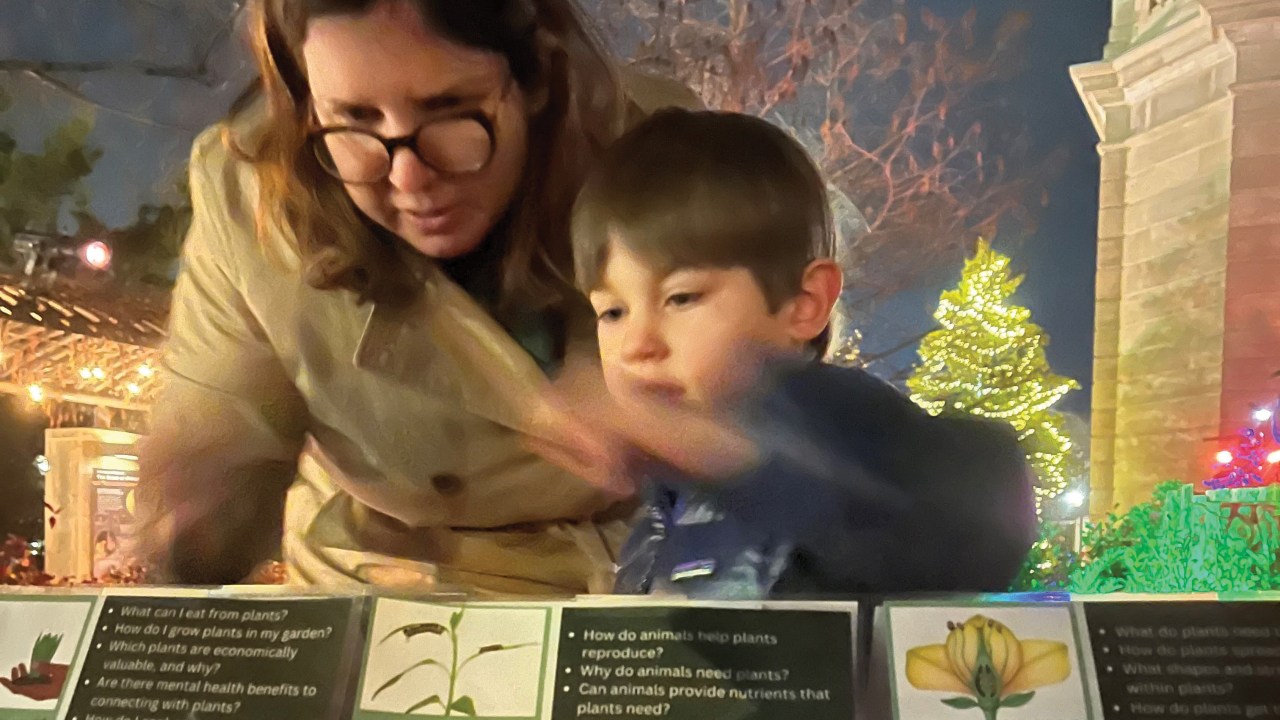
The US Botanic Garden conducted interactive interviews with children to create new and engaging programming for families.
When families wander the vibrant gardens of the United States Botanic Garden (USBG) in Washington, DC, they expect beauty, familiar and unfamiliar plants, and perhaps a few curious facts. What they might not expect is educators with colorful interactives and intriguing questions inviting children and their families to help shape the future of family programs at the USBG.
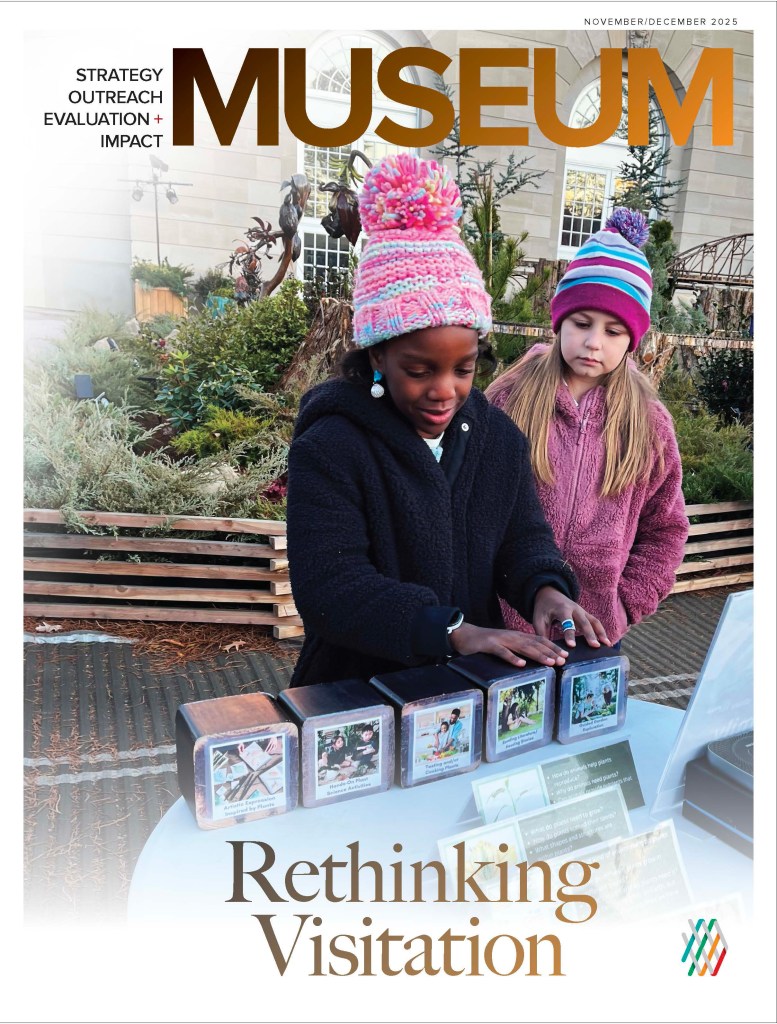
This article originally appeared in the Nov/Dec 2025 issue of Museum magazine, a benefit of AAM membership.
» Read Museum.
Over five months last year, participating families with children were asked their opinions on topics such as animal interactions with plants and plant science. To illustrate these topics, example questions were shared that asked if they would be interested in learning about “Why animals need plants?,” “How plants get food?,” or “Why fruits have seeds?”
These weren’t just whimsical icebreakers. They were part of an audience-needs research project to listen deeply to families—especially children—and design new educational programs that match interests. The project, led by Family Education Specialist Lilly Andersen, is changing how the USBG connects with one of its most important audiences: children and their families.
Finding Out What Families Want
The goal was straightforward: determine the programmatic interests and logistical preferences of family audiences, then use those insights to shape future educational programs. What set this project apart from others were the creative methods used to collect data directly from young children rather than relying on their parents to speak for them. When Andersen joined the team in March 2024, she saw this as both a challenge and an opportunity to learn more about the USBG’s family audience and create educational programs that excite them.
“We needed a clear picture of who our family visitors are, what they want to learn, and how they want to learn it,” Andersen explains. “The challenge was how to collect data from children in authentic, meaningful ways so that we could create programs based on their interests instead of the assumptions of adults.”
Instead of relying on traditional surveys on clipboards—which can feel intimidating, uninviting, or arduous to families with children—Andersen used interactive, child-centered interviews that were lighthearted, tactile, and collaborative.
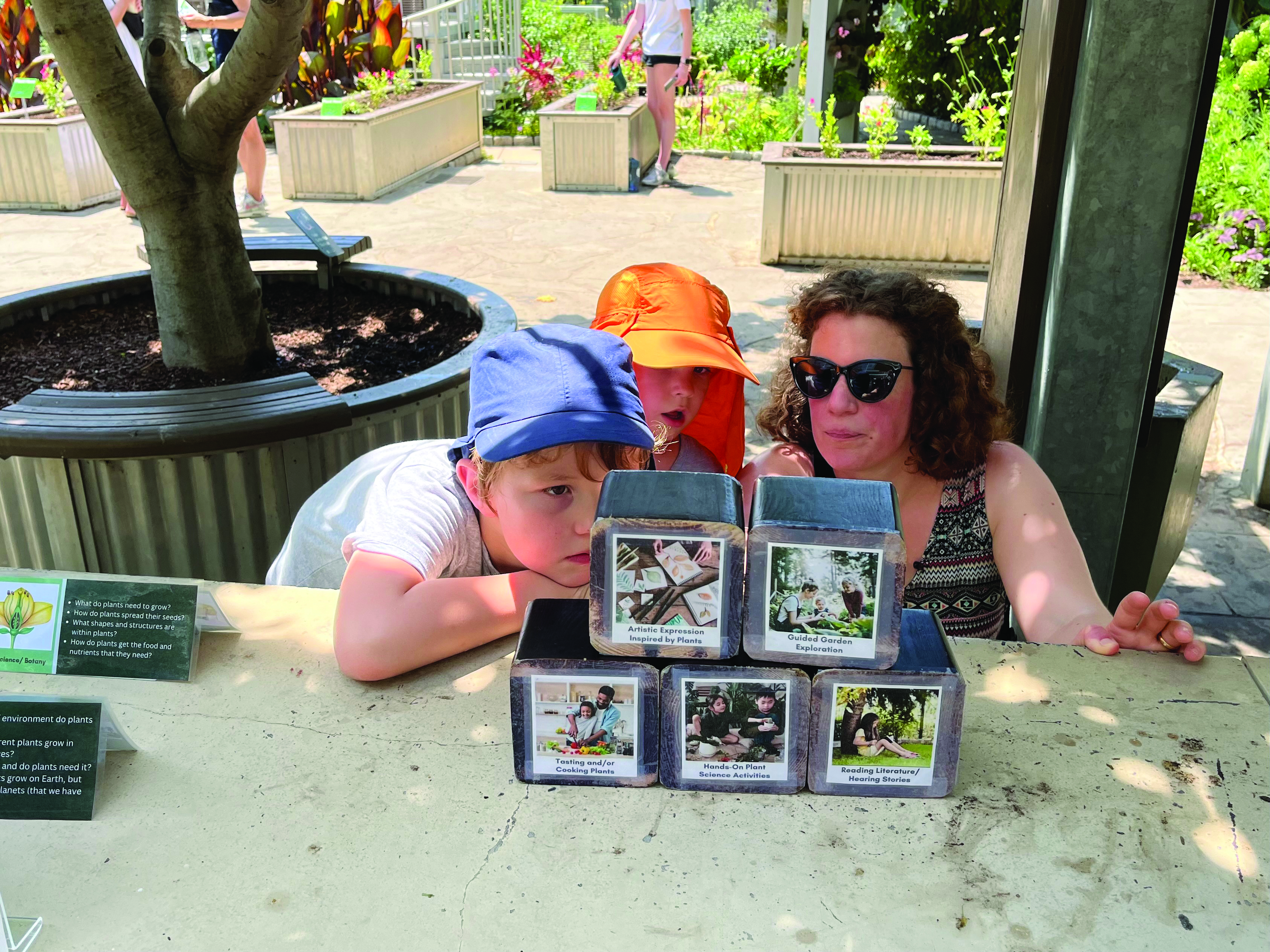
Key to their success was gamification: playful activities, visual manipulatives, and open-ended prompts that sparked curiosity. Children could handle colorful objects, point to images, and express their preferences directly to an educator with a listening ear—sometimes even surprising their own parents with their choices. To answer a posed question, children had physical items, such as blocks of wood with photos representing various options that they arranged in order of preference.
These six-minute interviews were designed to be child-focused and family-centered: interviewers spoke directly to children, giving them the autonomy to answer for themselves and their families. Families were also encouraged to discuss each of the nine questions together to arrive at a single answer representing their whole group. This combination ensured that both individual child perspectives and collective family priorities were considered and captured.
What We Found
In collaboration with dedicated USBG volunteers, Andersen collected data during interview periods spread evenly across all days of the week to capture a range of visitors during peak and off-peak times. Over the course of one summer and one holiday season, Andersen and her team interviewed 445 families containing a total of 830 children.
These interviews gave the USBG a better sense of its family visitors. Over the summer, the average age of a child visiting with their family was 7 to 8 years old. In the winter holidays, the average was 5 to 6, with 3-year-olds representing the largest single age. In both seasons, the majority of families visited with one or two children. In summer, the majority of families were nonlocal (60 percent), whereas during the winter holidays, 90 percent of visiting families were local (travel time within one hour). Overall, this information confirmed existing assumptions about family demographics. However, the very high number of local visitors over the winter holidays was new information, and the average age during that time was a bit lower than expected.
The interview questions covered three major areas: audience demographics (Who are the families visiting the USBG?), program content preferences (What topics and activities do they find most interesting?), and program logistics (When and how should programs be offered?).
The answers revealed clear themes. Families are most interested in engaging in hands-on plant science, tasting and cooking plants, and artistic expression inspired by plants. The topics they found most intriguing were animal interactions with plants like pollination and predation, followed by human interactions with plants like agriculture and medicinal plants. Pure plant science and earth science were lower on the list of content preferences for most families. These findings were in line with expectations based on Andersen’s previous work experience with children and families at other institutions.
In terms of logistical preferences, families indicated that educational programs lasting 15–30 minutes work best—long enough to be meaningful, but short enough to keep kids’ attention. Most families visited between Friday and Monday, and they expressed a preference for educational programs on weekends and mornings.
How We’ve Responded
These insights have already informed new family programs at USBG, such as:
- Fruit to Poop: A Seed’s Journey—A thought-provoking exploration of why it is beneficial for plants to have delicious fruits to attract animals who disperse their seeds.
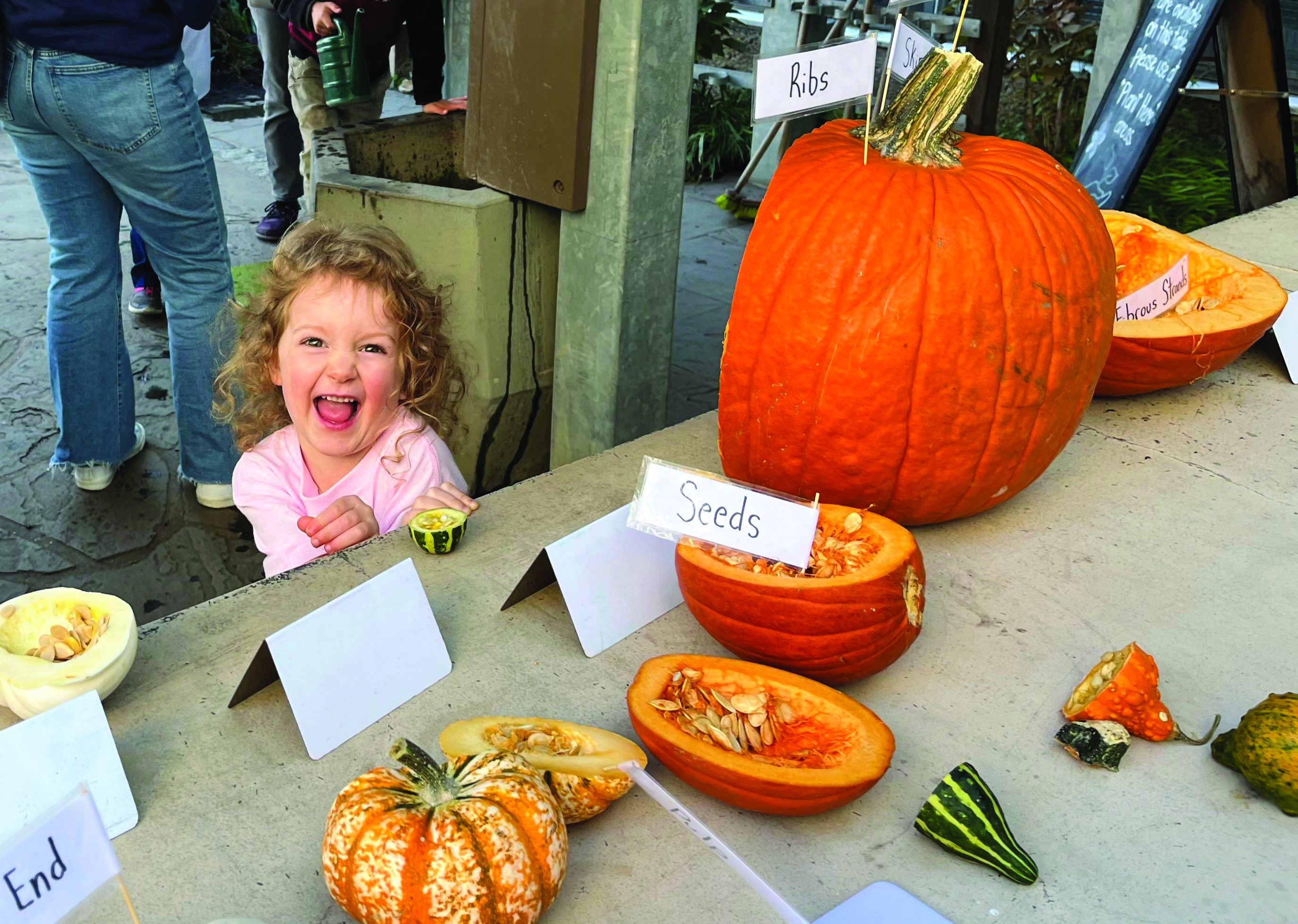
- Pumpkin Parts!—A seasonal exploration of plant anatomy through hands-on dissection of a familiar fruit.
- Trick or Fruit—A Halloween time sensory exploration of edible fruits and the diversity of ways they grow.
- Plants Make Their Own Food!—An interactive activity where children use science tools to quantify photosynthesis.
- Exploring Leaf Shapes—A program blending art and science to explore a variety of leaf shapes and how they benefit plants.
Each program reflects the short and active engagement model most families preferred, and many now include a playful element to draw in both kids and adults. Programs blending plant science with humor and sensory engagement like “Fruit to Poop: A Seed’s Journey” and “Trick or Fruit” have been especially resonant with the family audience.
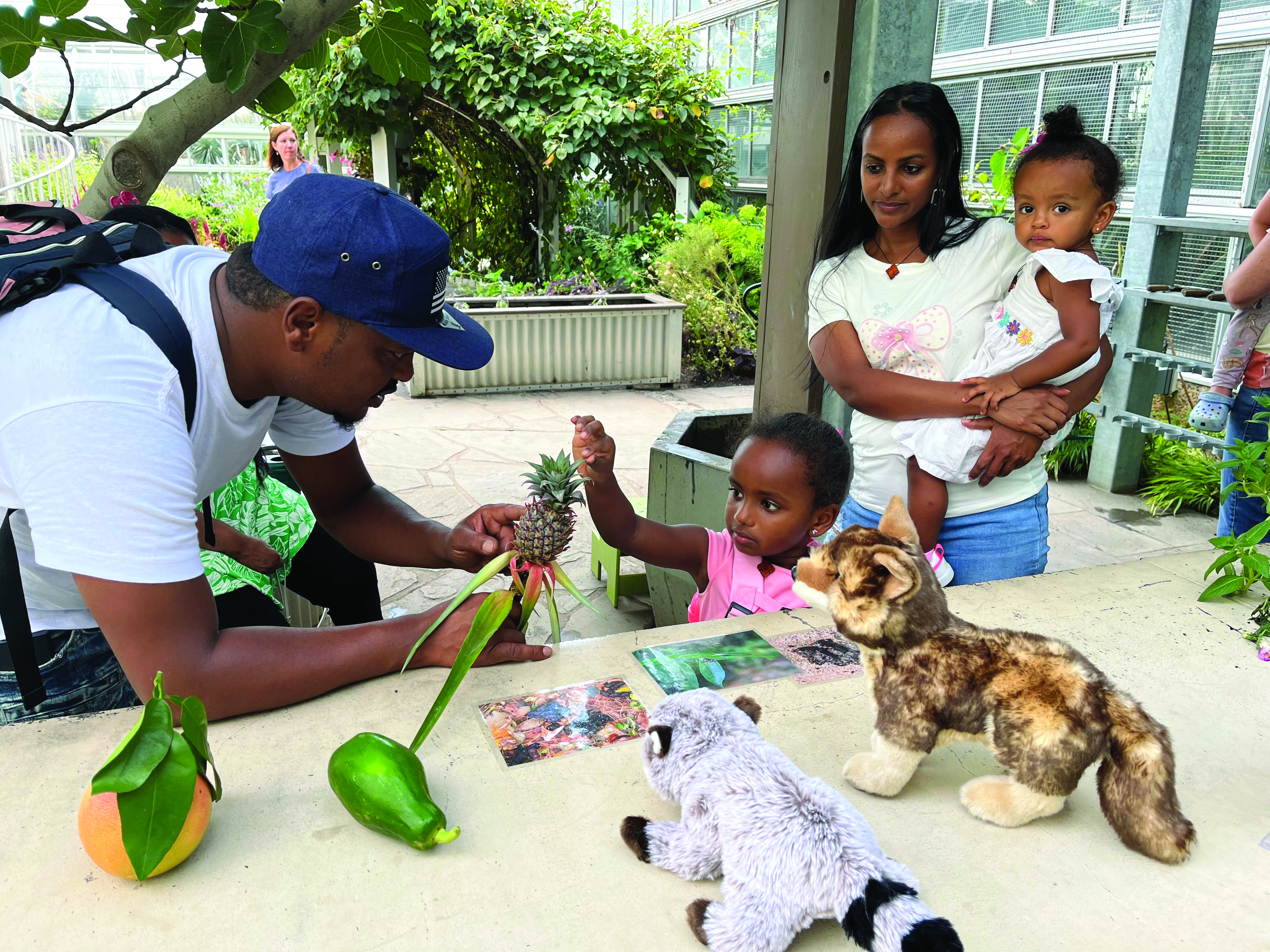
In “Fruit to Poop: A Seed’s Journey,” families are invited to investigate what is inside different dissected fruits (seeds!) and look at photos of animal poop to discover what is inside (seeds, again!). They are then asked to think about why seeds are found in both and why plants create fruit. Speaking about “poop”—a topic that children deal with frequently but don’t often talk about in public—is intriguing and elicits lots of giggles from the participating children and families. The fun, interactive program is offered to families visiting the Children’s Garden and doesn’t require registration—a change from previous family programming.
Verbal feedback from participants shows a high level of satisfaction with the program and its content, with a desire to participate in other similar programs in the future. Andersen is developing additional programming based on the interview findings, including a new program called “Sketch What You See: Artistically Observing Plants.”
Andersen hopes to interview visiting families in spring and fall to collect data from all four seasons. Because the majority of new family programs being developed and offered are drop-in programs that do not require registration, collecting feedback is more challenging. In response, the USBG education team is currently developing methods to evaluate drop-in programs.
The Takeaway
For other museums and cultural institutions, the USBG project underscores a powerful truth: meaningful program design starts with listening, especially to those who might not have been part of the conversation before. “By giving kids real autonomy to answer questions for themselves—and by making it fun—we not only got better data, but we built trust,” Andersen says. “Families left feeling like they mattered because their voices are actually shaping what we offer for them at the garden.”
This approach also aligns with broader trends in museum engagement: meeting audiences where they are, lowering barriers to participation, and creating experiences that blend learning with play. The USBG plans to continue refining its family programming, using regular, interactive feedback and evaluation to keep offerings fresh and relevant. The next step? Expanding the model to reach even more diverse audiences and exploring ways to integrate family insights into long-term strategic planning.
Andersen hopes other museums will adopt similar methods: “If you want to know what families care about, ask them. Then be ready to adapt. That’s how we grow—not just our programs, but our gardens and connections to the people we engage.”
Tips for Interviewing Families
- Keep it short. Aim for 5–6 minutes—long enough for depth but short enough to avoid fatigue. Only ask questions that will inform decision-making.
- Make it visually inviting. Use images, objects, or manipulatives to spark interest leading to discussion.
- Empower kids. Let children answer for themselves; their responses might surprise the adults.
- Be playful. Gamify the process to boost engagement and participation.
- Diversify timing. Spread data collection across different days and times to reach a range of visitors.
Devin Dotson is Senior Communications Specialist and Lilly Andersen is Family Education Specialist at the United States Botanic Garden in Washington, DC.
Upcoming Events
-
-
Industry Showcase: Innovative Digital Solutions
Event Date: -
Getting Started in Local Advocacy
Event Date:Presented by: American Association for State and Local History (AASLH) -
Creative Museums Summit
Event Date:Presented by: MuseumNext