For Immediate Release
ARLINGTON, VA – The Board of Directors of the American Alliance of Museums (AAM), the only organization representing the entire scope of the museum community, today announced the individuals, programs, and institutions recognized for their outstanding contributions to the museum field. These honorees showcase the vital role that every museum professional plays in building thriving museums, strong communities, and a better world. Eighteen individuals and eight institutions are being recognized by this year’s AAM Awards, which celebrate the vital work that propels the museum field forward.
Distinguished Service Award
The Distinguished Service to Museums Award recognizes an individual’s significant and sustained contributions to the museum profession for at least 20 years.
Paula Gangopadhyay, Chief Executive Officer, Pittock Mansion
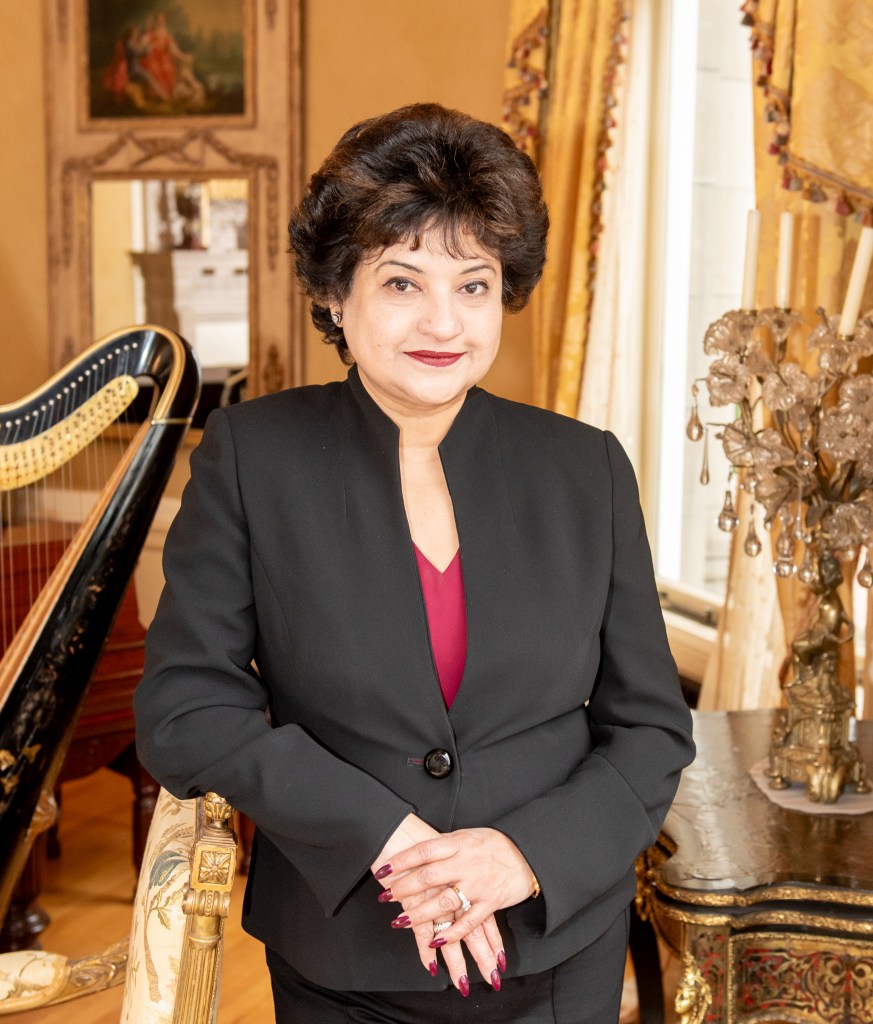
Paula Gangopadhyay has dedicated more than thirty years of her career to the cultural, government and philanthropy sectors. She has left a lasting impact with her visionary leadership, inspiring others to think out-of-the-box.
Paula is one of the few leaders who has been recognized with two honorable federal appointments – being appointed by President Barack Obama to serve on the Board of IMLS (2012-2015) and being appointed as the Deputy Director, Office of Museum Services, and Senior Advisor to the Director at IMLS (2016-2021). Her leadership helped advance the entire museum field in the areas of digital technology, professional development, evaluation, access and STEM education.
As the Chief Learning Officer at The Henry Ford, her efforts to mobilize students to think and act like innovators gained national recognition. She currently serves as the CEO of Pittock Mansion, a historic estate in Portland, Oregon while enjoying time with her young grandson.
“It is an incredible honor to be recognized by the AAM Board of Directors with the Distinguished Service to Museums Award, that too during the nation’s 250th anniversary year,” said Paula Gangopadhyay. “I am deeply touched and humbled. My work is not over yet. I want to inspire the next generation of museum leaders with lessons learned from my career and life journey.”
Nancy Hanks Award for Rising Stars
The Nancy Hanks Memorial Awards for Rising Stars recognize museum professionals who have ten years or fewer of experience as museum professionals, and are making an impact in their institutions, communities, and the museum field.
Asami Robledo-Allen Yamamoto, Predoctoral Research Fellow in Museum Studies, National Women’s History Museum
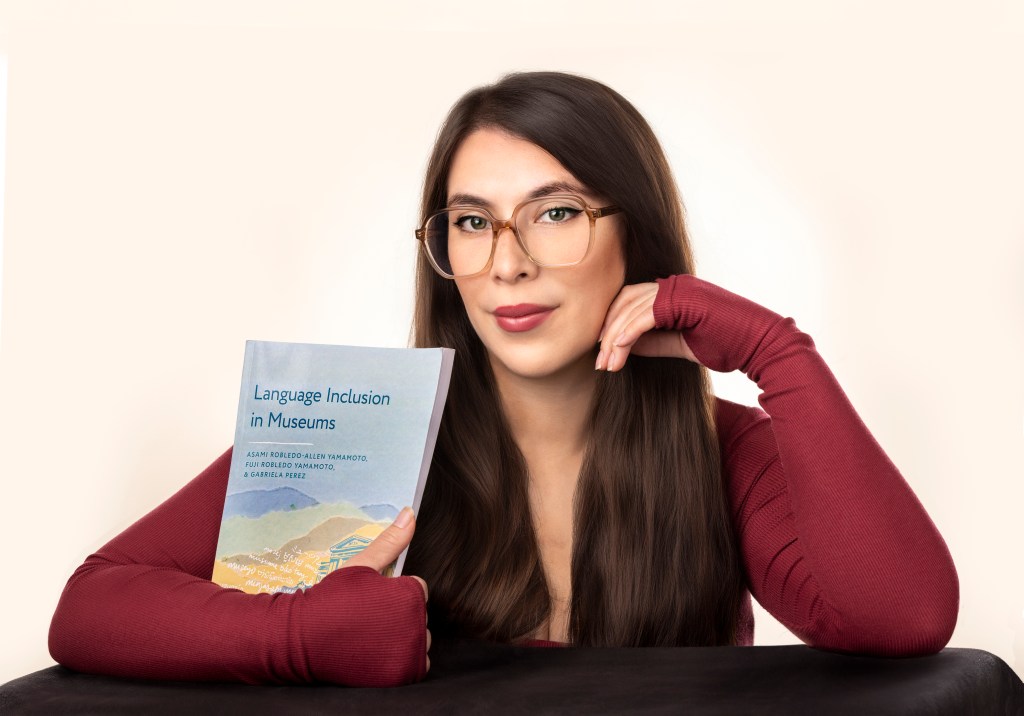
Asami Robledo-Allen Yamamoto (she/her/ella) is an art educator, artist, and doctoral candidate in the Department of Bilingual Bicultural Education at the University of Texas at Austin. Her research and practice focus on advancing equity, Spanish-language inclusion, and anti-ableist, anti-racist approaches within museum and art education, with particular attention to the preservation and celebration of Latine culture across the United States. Asami is a co-author of Language Inclusion in Museums and serves as co-editor for two issues of Translating Museum Education with the Journal of Museum Education. She is also a board member of the Museum Education Roundtable, the 2025–2027 National Women’s History Museum Predoctoral Research Fellow in Museum Studies, and a Curation Fellow with Of_Color and the Austin Public Library.
Kyna Stys, Director of Education and Museum Programs, National Museum of the Pacific War
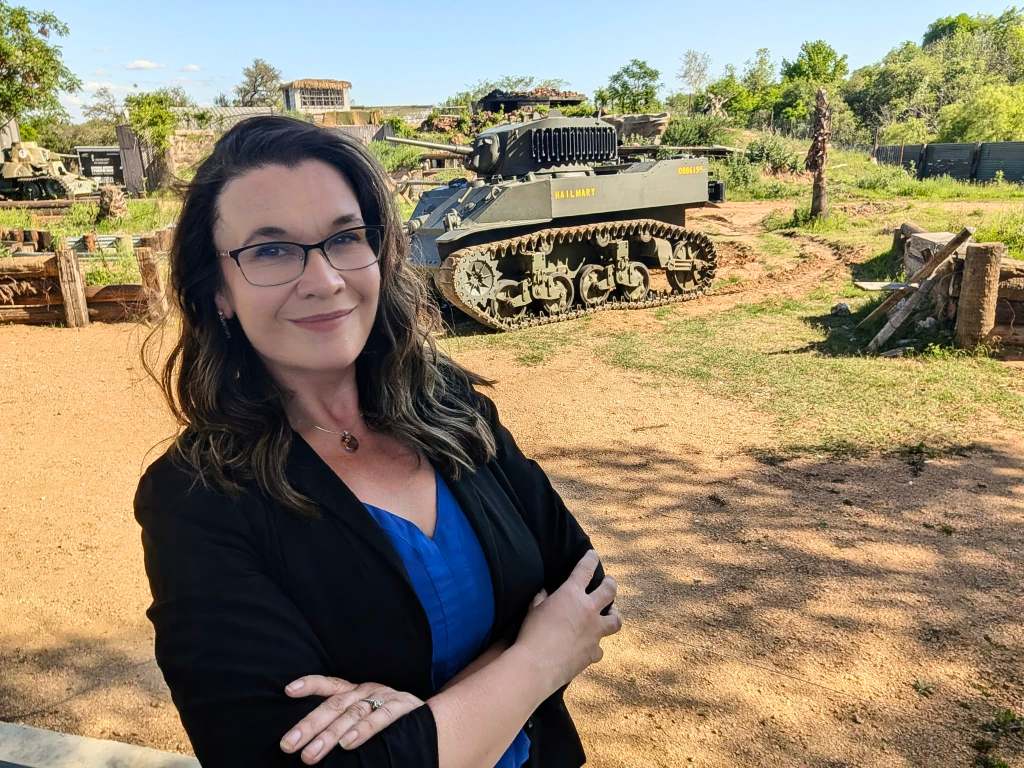
Kyna Stys is a public historian and educational programmer serving as the Director of Education and Museum Programs at the National Museum of the Pacific War. With seven years in the museum field, Kyna takes a strategy-driven approach to designing audience-centered experiences that make history engaging, accessible, and relevant. She specializes in aligning institutional missions with emerging trends while fostering a culture of experimentation and new ways of public engagement.
During her tenure, Kyna has spearheaded a period of monumental growth, expanding the museum’s educational reach from 11,000 participants in 2021 to more than 600,000 in 2025. Her initiatives have successfully engaged audiences across all 50 states and 37 countries, bringing the lessons of the Pacific War to a global stage. Kyna credits this impact to the strength of her team and prides herself on supporting high-performing staff who transform bold strategy into meaningful, memorable experiences for diverse audiences.
Kyra March, Museum Tour Coordinator, Stoutsburg Sourland African American Museum
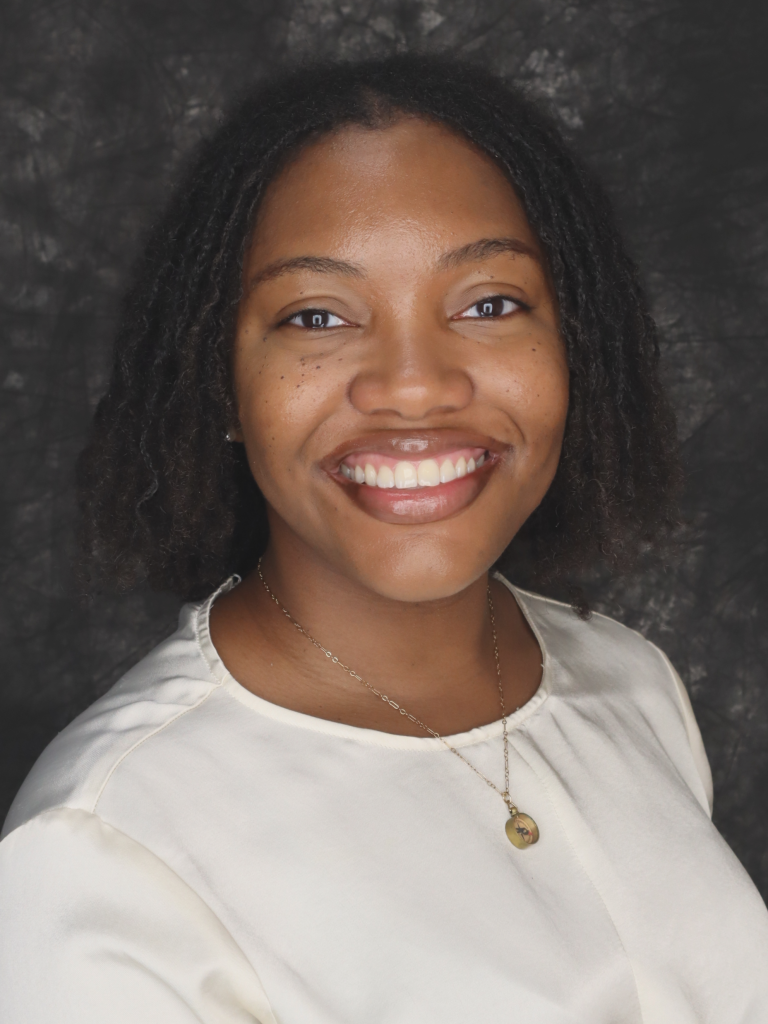
Kyra March is a doctoral student in African American History and Women’s and Gender History with a certificate in Public Humanities at Rutgers University–New Brunswick. She served as a Humanities Fellow at Dumbarton Oaks and the National Gallery of Art from 2022-2023 and as a Consulting Curator at Dumbarton Oaks from 2023-2024. She curated the ongoing exhibition “Bound By The Beverleys: Enslaved Labor on the Dumbarton Oaks Landscape from 1805-1823,” the first public facing initiative to recognize slavery at the institution. She has also served as an intern and guest curator at the Stoutsburg Sourland African American Museum (SSAAM) in Skillman, NJ, where she curated the exhibition “The Head That Wears The Crown: Black Women’s Headwear From Slavery to Freedom,” which is travelling to its third location in 2026. Kyra currently serves as SSAAM’s Museum Tour and Exhibitions Coordinator and is committed to connecting people to history through storytelling.
Michael Wilson, Curator, African American Museum in Philadelphia
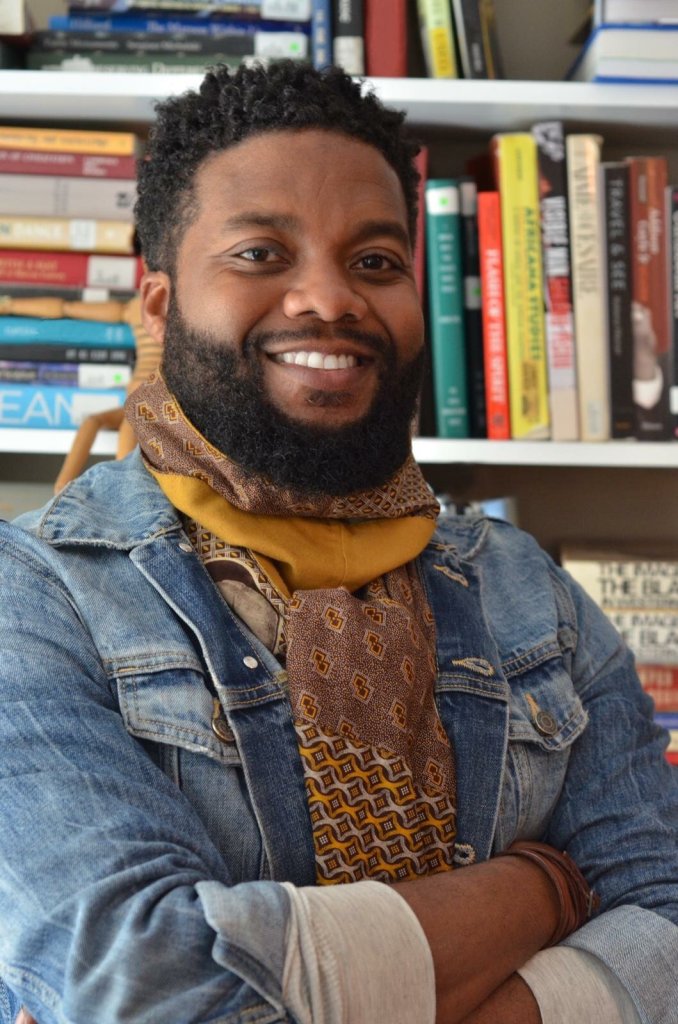
Michael K. Wilson, Ph. D., is Curator at the African American Museum in Philadelphia and Assistant Professor of Art History and Pan-Africana Studies at Lincoln University. Michael is also a Fulbright Fellow, a two-time Nelson Mandela Museum Fellow, and currently serves on the College Art Association’s Museum Committee.
Michael’s curatorial contributions include the 2023 collaborative exhibition between the Pennsylvania Academy of Fine Arts (PAFA) and the African American Museum in Philadelphia (AAMP) titled Rising Sun: Artists in an Uncertain America. His most recent curatorial projects include the Pearl Bailey Showcase and the now traveling exhibition Shaheed Rucker: (re)Covering the Iconic.
Michael’s research interests include contemporary African diaspora art practices and decolonial aesthetics in the Caribbean. His publication contributions include the International Journal of Africana Studies. While at Lincoln, Michael also established the Museum Studies Professional Development internship program, providing students with hands-on experience in archival, curatorial, and collections management practices.
Okunsola M. Amadou, Founder & Chief Museum Curator, The African Indigenous Midwifery Museum
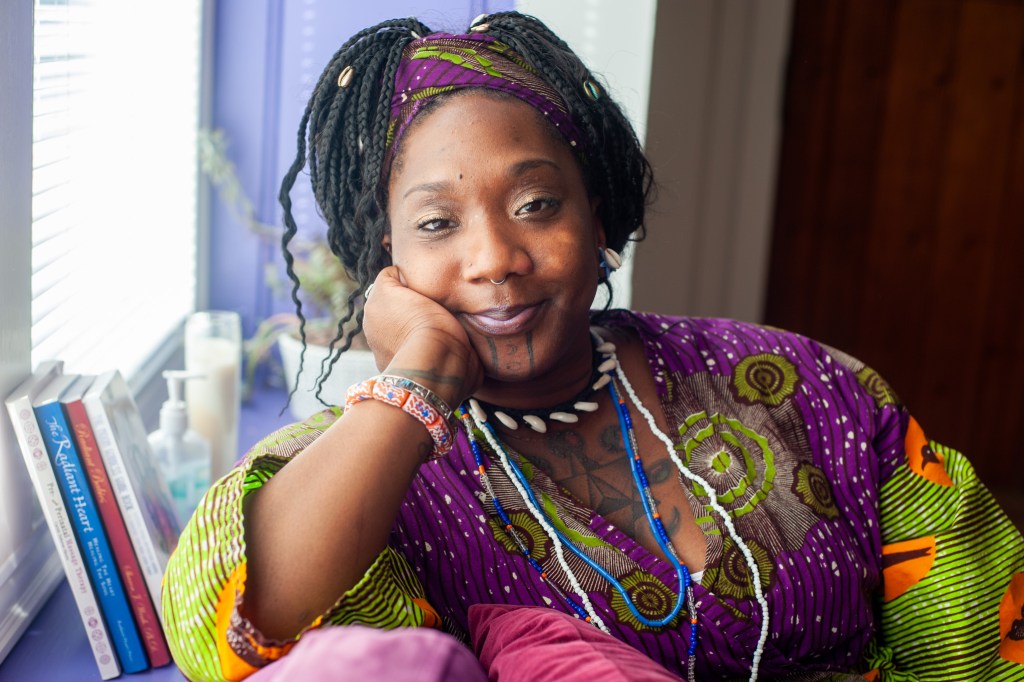
Okunsola M. Amadou, a multi award-winning Midwife, Pioneer, Founder and Museum Scholar, is a graduate of the Midwives College of Utah and the University of Iowa Museum Studies Program. She is the Founder in Residence of The Historic Jamaa Birth Village Cultural Heritage Center (Jamaa Birth Village) & Founding Chief Curator of the African Indigenous Midwifery Museum and African Indigenous Midwifery Library & Research Institute. Okunsola is Missouri’s first African American Certified Professional Midwife and first Black Registered CPM Preceptor, with over a decade of clinical practice, founding Missouri’s first Black Midwifery Clinic and School. A dedicated midwife, writer, visionary and folklorist, she focuses on research and historic preservation of midwifery, connecting traditional birth practices with public health and cultural heritage. Her recent work includes The Black Midwife Oracle™ (2025), a cultural project honoring Black midwives across the diaspora.
AAM Mid-Career Professional Award
Established in 2026, this award recognizes museum professionals with 11-19 years of experience who are making an impact in their institutions, communities, and the museum field. Awards recognize a specific achievement or body of work that has benefited the honoree’s home institution, community, or broader museum field.
Adrienne Lalli Hills, Learning & Community Engagement Director, First Americans Museum
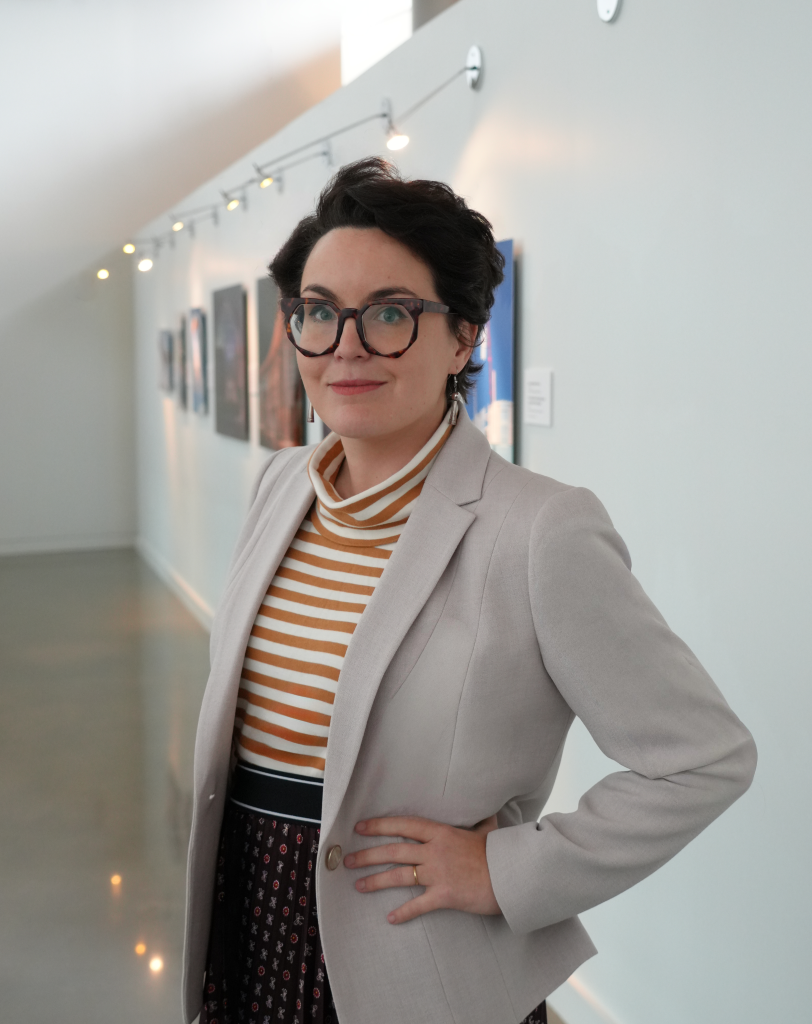
Adrienne Lalli Hills (Wyandotte Nation) is Director of Learning & Community Engagement at First Americans Museum in Oklahoma City, Oklahoma. Since 2007, she has worked across the museum field as an educator, interpretive planner, and teaching artist, with past roles at the Nelson-Atkins Museum of Art, Science Museum Oklahoma, and Philbrook Museum of Art, and consulting work for the Art Institute of Chicago, the National Museum of the American Indian, and the Peabody Essex Museum. She is a founding board member of the Association for Art Museum Interpretation and has held leadership positions with the Museum Education Roundtable and Museum Computer Network. Adrienne is also a doctoral candidate at the University of Pittsburgh, where her research focuses on the impact of museum learning experiences on youth identity development.
Emily Johnson, Foundation Administrator, PacifiCorp Foundation
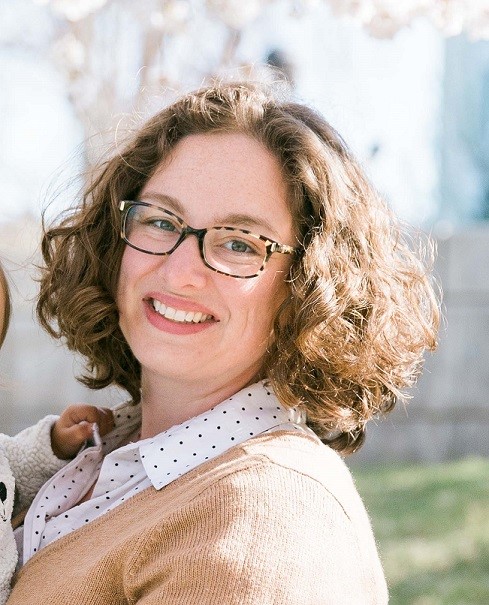
Emily currently serves as the new Foundation Administrator for the PacifiCorp Foundation, making grants and supporting communities in six states in the Pacific Northwest and Intermountain West. Prior to this role, Emily worked for 14 years serving the State of Utah in the Division of Arts & Museums, first as the Collections Curator & Registrar, and finally as the Director of Field Services. During her tenure at Arts & Museums, Emily was awarded multiple federal programming and research grants from IMLS and NEH, and incubated projects related to Museum Social Impact, community-based collections care, and museum mentorship. She has served on her city’s Historic Commission, the Utah Museums Association Board, the Utah State Historic Records Advisory Board, and the nominating committee for AASLH. Emily was born and raised in Salt Lake City, Utah, and graduated with her MA in History from the University of Utah.
Hillary Olcott, Curator, Arts of the Americas, Fine Arts Museums of San Francisco / de Young & Legion of Honor
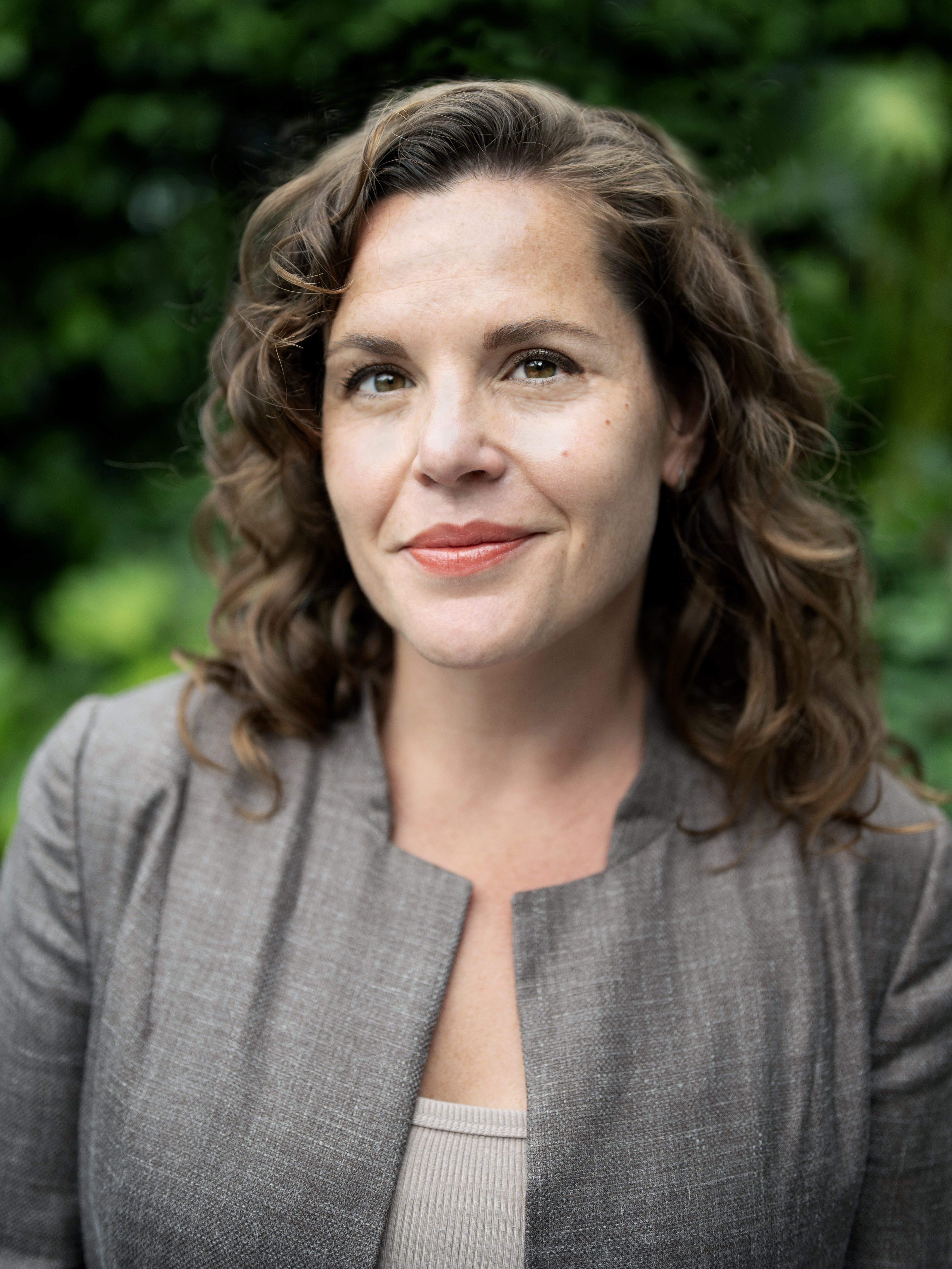
Hillary C. Olcott is the curator of arts of the Americas at the Fine Arts Museums of San Francisco. She worked at Dumbarton Oaks Research Library and Collection from 2010 to 2014 and joined FAMSF’s curatorial staff in 2014. Hillary’s collaborative and cross-disciplinary projects engage with Indigenous arts and artists across the Americas. Recent projects include co-editing the monumental catalogue Native American Art from the Thomas W. Weisel Family Collection (2023) and co-creating the online multimedia project Alaska Native Arts Close Look (2022). Hillary is also the curator of the special exhibition Rose B. Simpson LEXICON (2025-2027), and the project originator and co-curator of the newly re-envisioned Arts of Indigenous Americas galleries at the de Young museum (opened August 2025). She is deeply committed to building meaningful relationships, ethically stewarding the collections under her care, and helping bring about positive change in the field.
Jami Van Huss, Museum Director, Hyrum City Museum
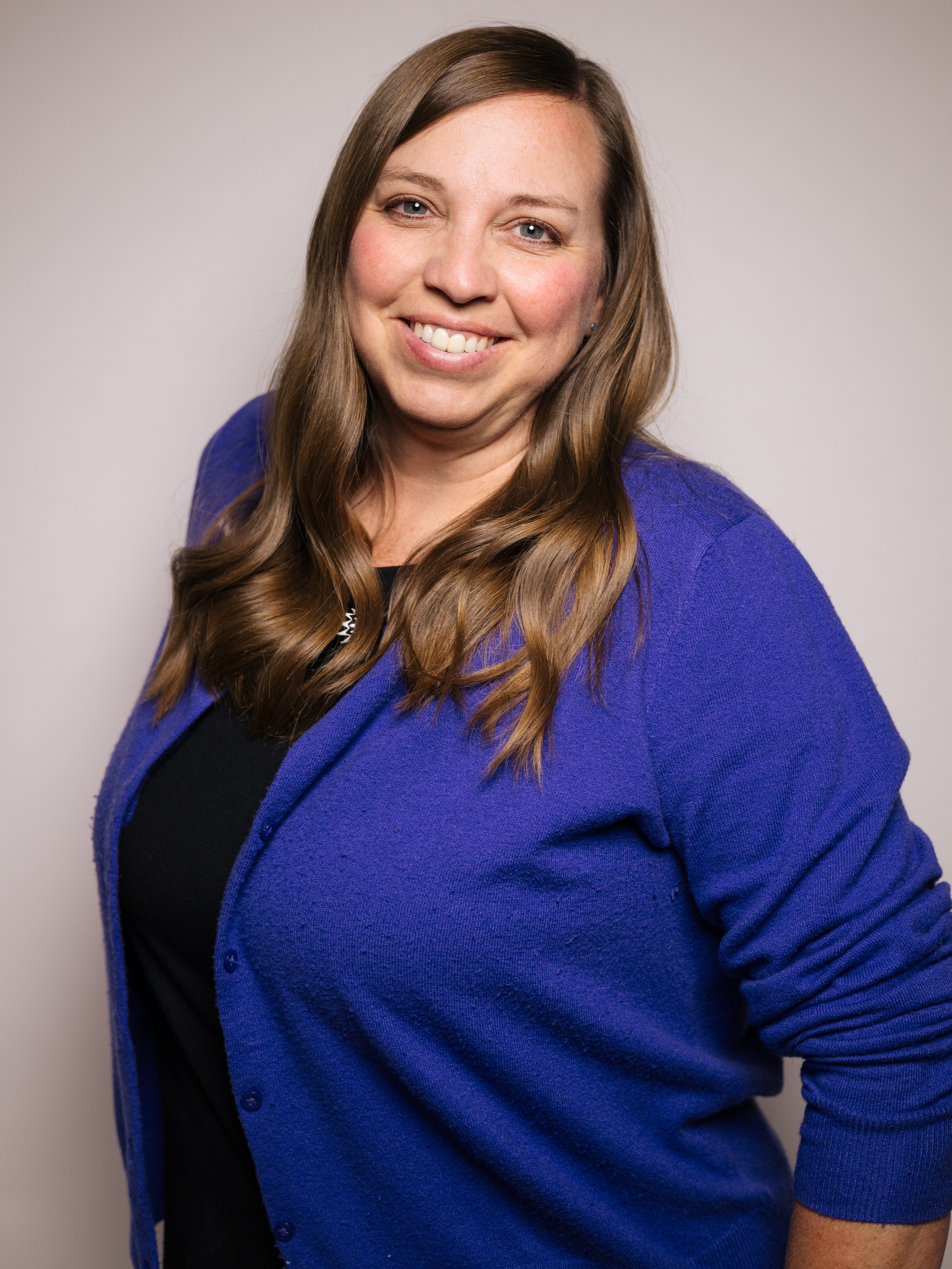
Jami J. Van Huss is a native Utahn, wife, mother of three amazing girls, historian, and museum professional. After earning her bachelor’s and master’s degrees in history, she found her calling in the museum field. She enjoys projects that include researching, writing, curating exhibits, teaching, and collaboration. She is currently the director of the Hyrum City Museum, plus values being involved within the larger museum ecosystem as the VP of Professional Development for the Utah Museums Association, an exhibit curator for the Utah Historical Society, a regional award representative for AASLH, and serving on boards of local history organizations including the Sema Hadithi Foundation. Jami prioritizes community collaboration, particularly with the Northwestern Band of the Shoshone Nation and Utah Humanities. Above all else, Jami loves spending time with her family–especially in the mountains or at their sporting events, eating cheese enchiladas, riding rollercoasters, and going to the movies.
Marianna Pegno, Senior Curator, Art and Social Practice, Tucson Museum of Art and Historic Block
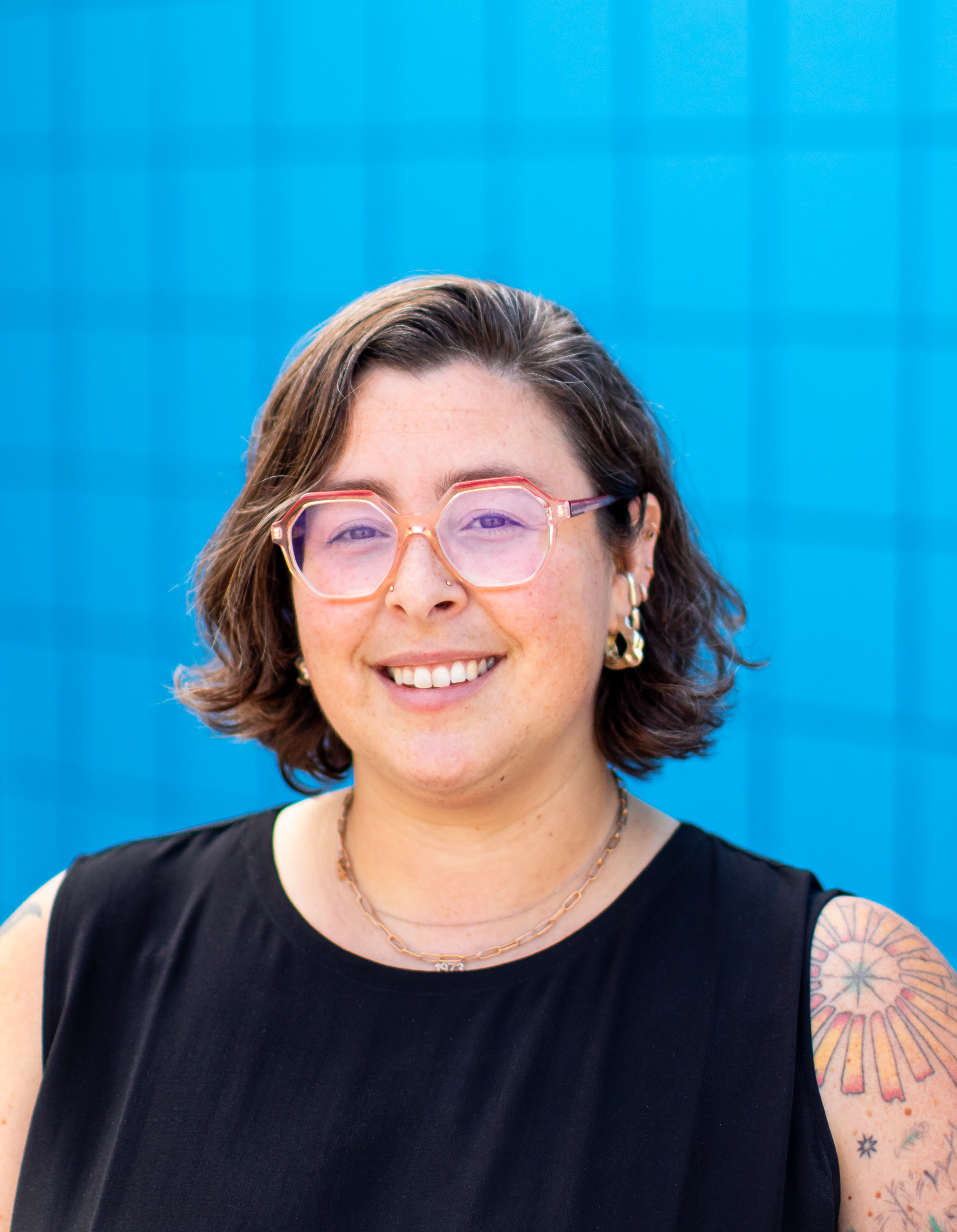
Marianna Pegno is the Senior Curator, Art and Social Practice at the Tucson Museum of Art and Historic Block, where she leads socially engaged, community-based initiatives. With over 15 years of museum experience, she advances organizational transformation by co-creating projects with local communities. Pegno’s relationship-building and commitment to collaborator conversations have resulted in initiatives rooted in dialogue and shared authority. These include creating multivocal exhibitions that explore the intersections of heritage, history, culture, and material experimentation; expanding access through innovative person-centered audience engagement; and interdisciplinary practices advancing multilingual, community-centered approaches. She has also co-authored publications on these topics, including Community-Based Curation: A Toolkit for Expanding Narratives and Changing Practice and Institutional Change for Museums: A Practical Guide to Creating Polyvocal Spaces. Marianna holds a PhD in Art History and Education and an MA in Art History from the University of Arizona, as well as a BA from New York University.
Paul Stavast, Assistant Teaching Professor Anthropology Department, Director Museum of Peoples and Cultures, Brigham Young University
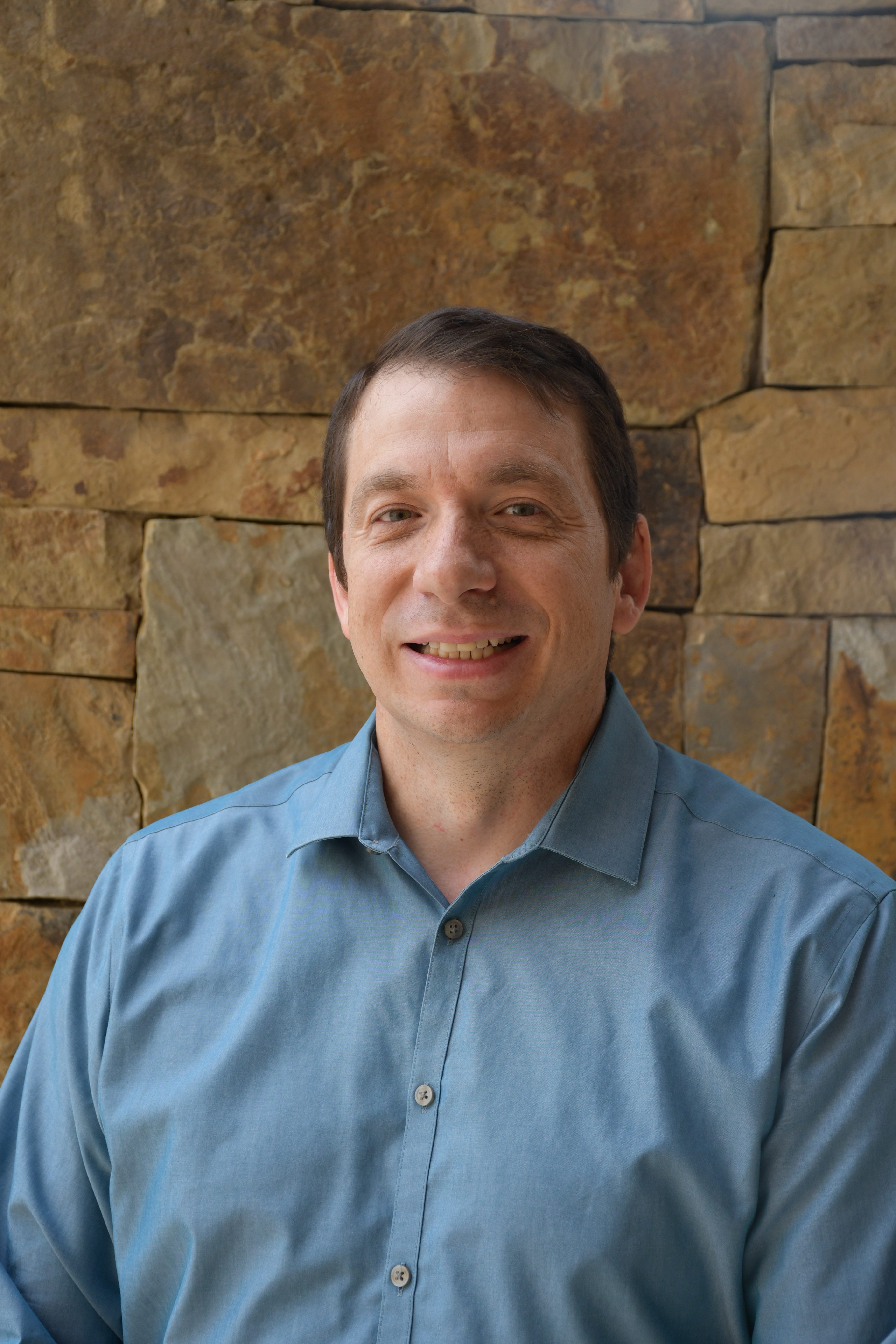
Paul Stavast is Director of the Brigham Young University Museum of Peoples and Cultures and an Associate Teaching Professor of Anthropology where he coordinates a graduate program in museum practices. He currently serves on the State of Utah’s Native American Remains Repatriation Committee and serves on the Executive Committee of the Utah Museums Association as the Advocacy Vice-president. His research, advocacy, and mentoring focus on the local and state level. Since 2023, he has led research to document and track Utah laws and regulations impacting museums.
Paul finds inspiration in providing students with experiential learning opportunities that allow students to feel the joys and struggles of working in the museum field. As a mentor, he ensures each mentored student develops an understanding of the potential for museums to improve individuals, heal communities, and inspire others.
Vivian Zavataro, Creative & Executive Director, Ulrich Museum of Art at Wichita State University
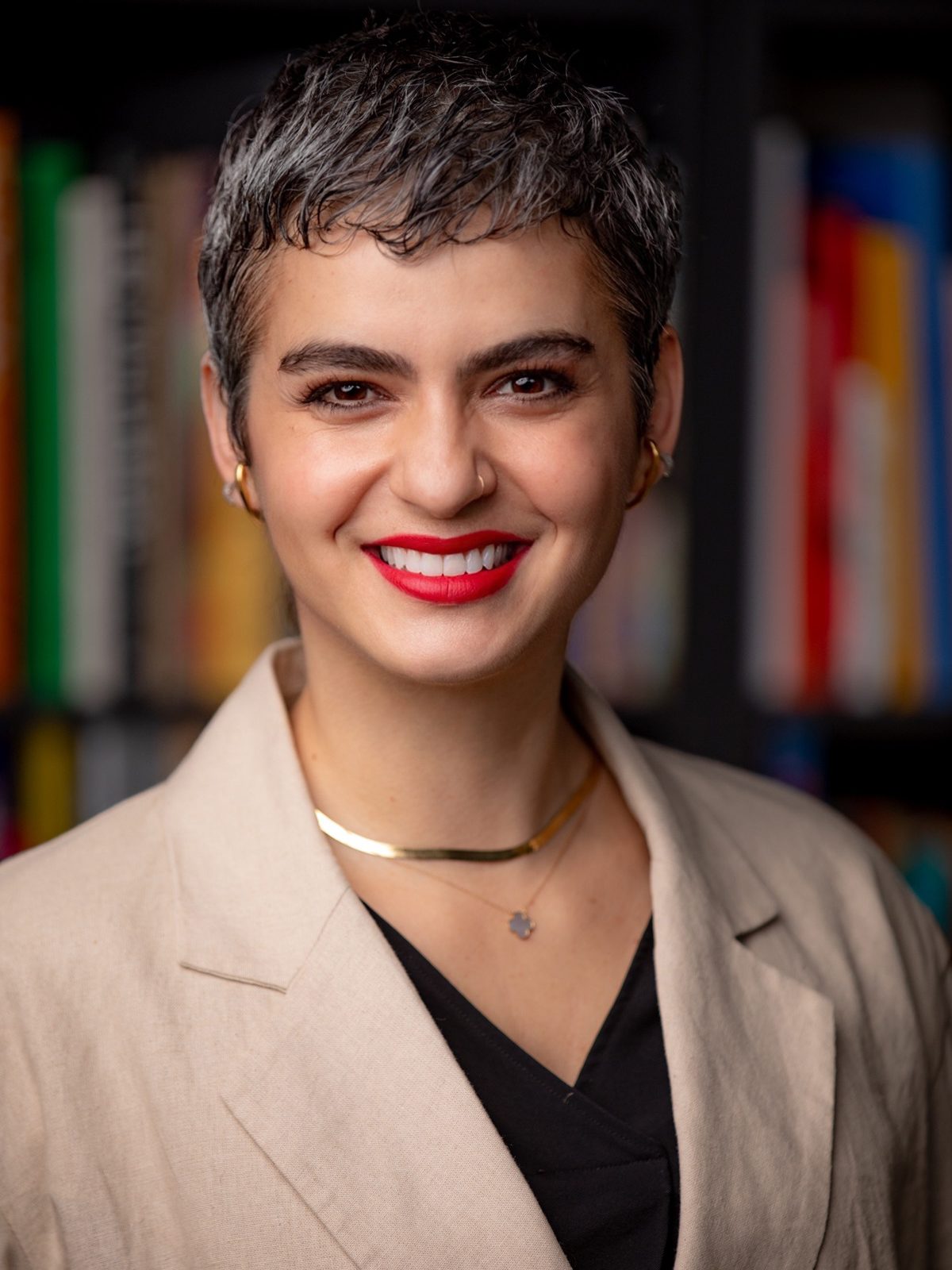
Vivian Zavataro is the Executive and Creative Director of the Ulrich Museum of Art, where she advances audience-centered, experimental curatorial strategies that position the museum as a hub for connection, civic dialogue, and inclusive practice. A museologist specializing in contemporary art and community engagement, she has led major initiatives in strategic planning, reaccreditation, fundraising, and institutional growth, while developing ambitious exhibitions and public programs. Previously, as Director and Chief Curator of the John and Geraldine Lilley Museum of Art, she expanded operations, secured an endowment, transformed collections care, and built dynamic partnerships across campus and community. Zavataro’s career includes roles at documenta, the Nevada Museum of Art, the Frans Hals Museum, and other institutions. Her exhibitions have been supported by the National Endowment for the Arts and the Terra Foundation for American Art.
The Museum Impact Award
The Museum Impact Award highlights important and noteworthy work—for individuals, programs or initiatives, and institutions—that is driving impact and making a difference both internally through museum workplace culture and policies and externally through engagement with museum audiences and communities.
Recognition for Individuals:
Joan Mummert, President and CEO (retired), York County History Center
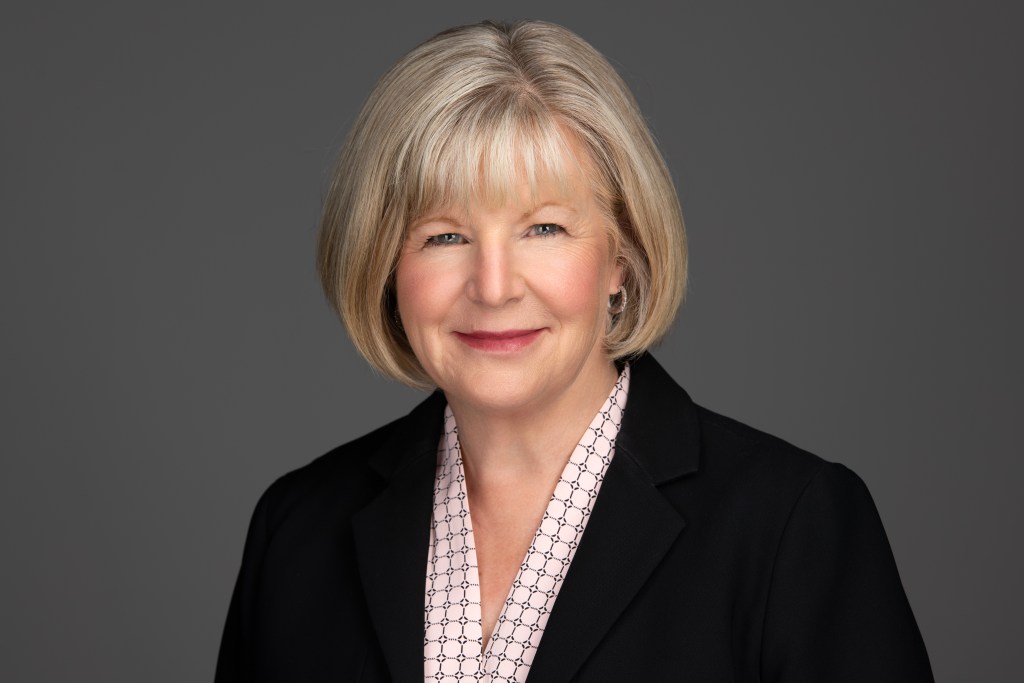
Joan Mummert is an accomplished nonprofit executive with more than 40 years of leadership experience across regional and national mission-driven organizations. Her career reflects a steady progression into senior leadership across Girls Clubs (now Girls Inc.), Youth for Understanding, the Girl Scouts of the Nation’s Capital, Shippensburg University, the University of Maryland, Baltimore County, the Maryland Historical Society, and the York County History Center where her passion for history aligned with her nonprofit background.
At the York County History Center—where she served for over 18 years—Joan provided visionary leadership in program development, fundraising, and organizational advancement. She led a major capital campaign that, in collaboration with community stakeholders, board leadership, and a dedicated campaign cabinet, secured $30 million to transform the former York Metropolitan Edison electric and steam generating plant into an award-winning, state-of-the-art museum, library, and archives. Within the first year of opening, the organization experienced significant increases in visibility, attendance, and tourism, achieving core strategic objectives and strengthening its regional impact.
Joan holds a Bachelor of Science in Nonprofit Administration (through American Humanics) and Physical Education from the University of Indianapolis and a Master of Science in Organizational Development from the Johns Hopkins University Carey School of Business. She has completed extensive executive-level professional development, including Leadership York’s Nonprofit Leadership Academy, the Colonial Williamsburg Development Institute, Georgetown University’s executive train-the-trainer program, and Harvard University’s “Leadership for the 21st Century: Chaos, Conflict, and Change,” the latter through the York Federal Fellows program.
Following her retirement from the History Center, Joan continues to contribute to the York-area nonprofit sector through consulting and her active involvement with the Rotary Club of York, the Give Local York Advisory Committee, Leadership York, the Country Club of York Board of Governors, and other community leadership initiatives.
Kantara Souffrant, Senior Director, Community Dialogue & Adult Programs, Milwaukee Art Museum
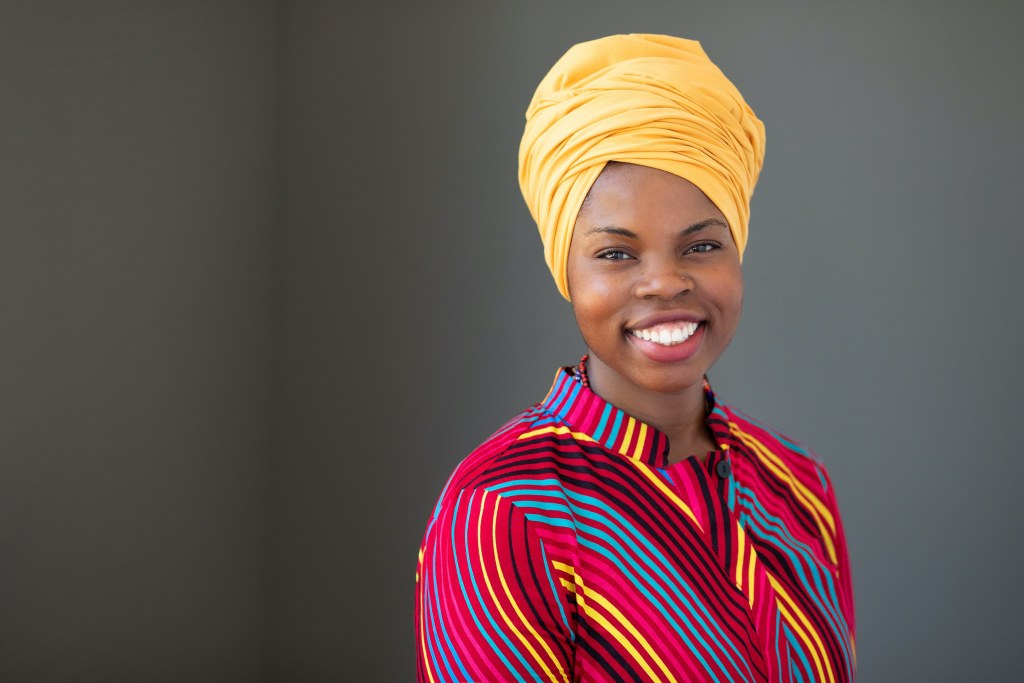
Dr. Kantara Souffrant is the inaugural Senior Director of Community Dialogue and Adult Programs at the Milwaukee Art Museum, where she aspires to make people feel interconnected through various adult program offerings and sustainable community partnerships—from intimate community conversations on the state of belonging, to museum-wide Free Days and block parties. Souffrant is a Haitian-American artist-scholar who brings her passion for community engagement, dialogue, and facilitation to her work as an educator, performer, and community member. She holds a Ph.D. in Performance Studies from Northwestern University, with certificates in Critical Theory, African and Diaspora Studies, and Teaching. Her scholarship examines visual and performance art in the Black Atlantic, Black feminist aesthetics, and museum pedagogy. She is the co-author of Institutional Change for Museums: A Practical Guide to Creating Polyvocal Spaces, which demonstrates how museums can enact institutional change through systematic, structural approaches to anti-racist, anti-colonial, and anti-elitist practices.
LaNesha McCoy (DeBardelaben), Executive Director, BlackPast.org
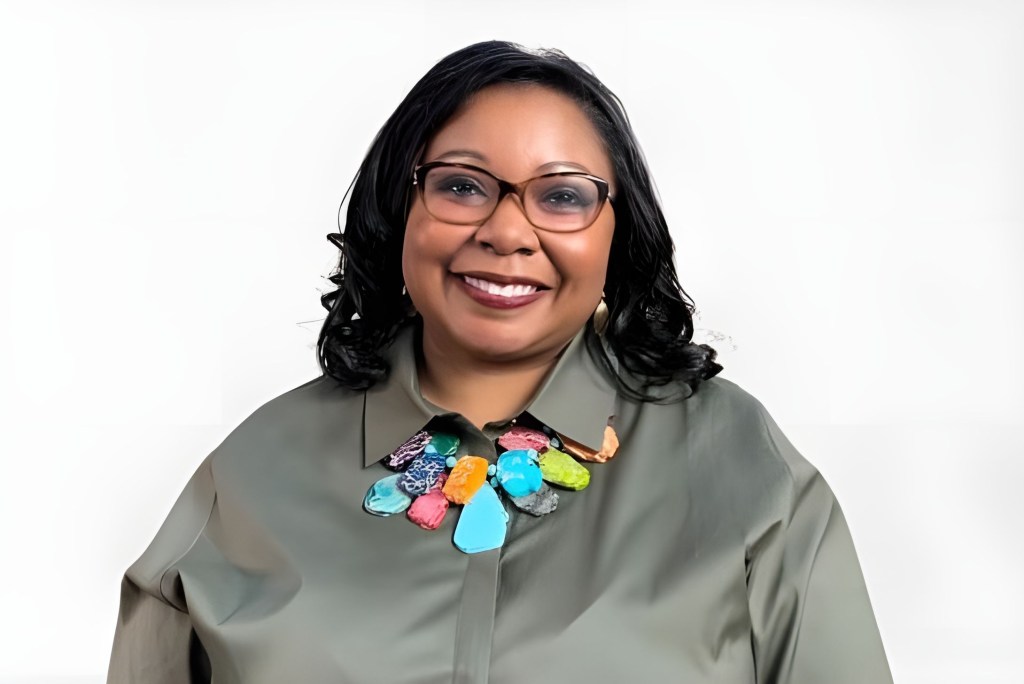
LaNesha McCoy (DeBardelaben) is a museum administrator serving as Executive Director of BlackPast.org, an online global Black history educational resource. She previously served as President & CEO of the Northwest African American Museum in Seattle where she led innovative programming, crafted a forward-facing strategic and expansion plan with a relevant new mission statement, and elevated fundraising to record-setting levels. While there, she founded the Knowledge Is Power Book Giveaway Program that distributed over 25,000 free, new African American children’s books to youth.
Prior, she was Senior Vice President of Education & Exhibitions at the Charles H. Wright Museum of African American History in Detroit. She has studied museums in Kenya, Ghana, South Africa, Germany, England, and Israel. She is Past National President of the Association of African American Museums Board of Directors. Never forgetting the mentors that shaped her life like Juanita Moore, she strives to honor their investment through service.
Michele Y. Smith, Chief Executive Officer, The Museum of Pop Culture (MOPOP)
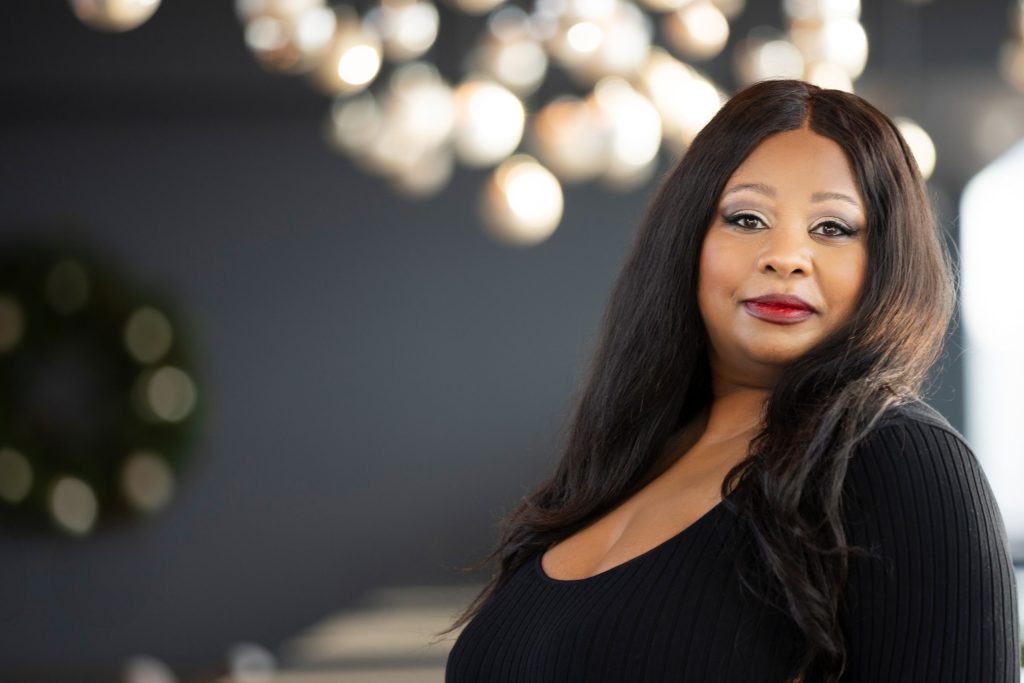
Michele Y. Smith is the CEO of the Museum of Pop Culture (MOPOP), known for her mission-focused leadership in the nonprofit sector, emphasizing business development, operations, and finance. Her approach prioritizes diversity, equity, inclusion, accessibility, and mentoring, advocating for philanthropy’s democratization through pop culture. Previously, as Chief Business & Financial Officer at Woodland Park Zoo, Smith led the institution through the COVID-19 pandemic, achieving significant growth in revenue, events, and guest services with her dynamic strategy.
Victoria Munro, Executive Director, Alice Austen House
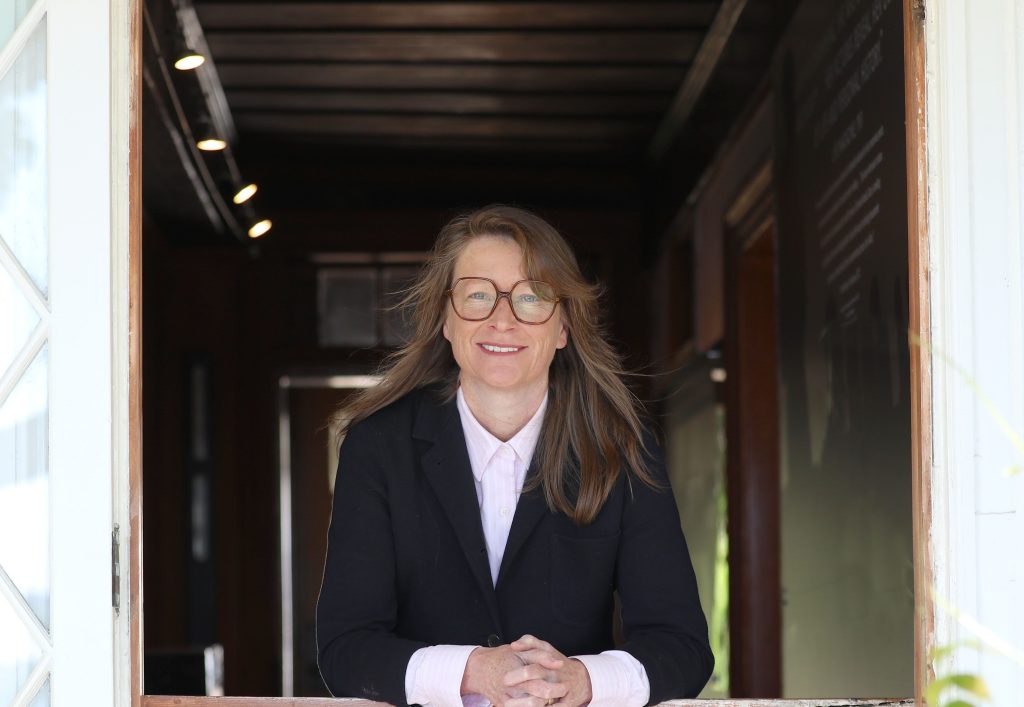
Victoria Munro (b. 1975, Wellington, New Zealand) is an artist, educator, writer, and curator whose multifaceted practice bridges sculpture, public art, and cultural leadership. Munro is the Executive Director and Curator of the Alice Austen House Museum, where she stewards a site of LGBTQ+ visibility and storytelling. She also serves as Board President of the Museums Council of New York City and sits on both the Executive Leadership Committee of the NYC Parks and Open Spaces Coalition and the National Trust’s Historic Artists’ Homes and Studios Program.
As founder of the Queer Ecologies Garden Project at Alice Austen Park, Munro fuses environmental activism with queer theory, cultivating a living, evolving space that reimagines relationships between identity, land, and community. Her work, across sculpture, curation, and ecological practice, champions queer presence in both natural and institutional spaces.
Recognition for Programs:
Gallaudet University National Deaf Life Museum
We, Native Deaf People, Are Still Here
Gallaudet University, federally chartered in 1864, is a bilingual, diverse, multicultural institution of higher education that ensures the intellectual and professional advancement of deaf, hard of hearing and deafblind individuals through American Sign Language and English. The Office of Arts, Culture, and Experience (ACE) at Gallaudet University produces authentic narratives about Deaf people as empowered global citizens. The work of ACE reframes and revitalizes representations of Deaf/hard of hearing/DeafBlind/Deaf Disabled cultures.
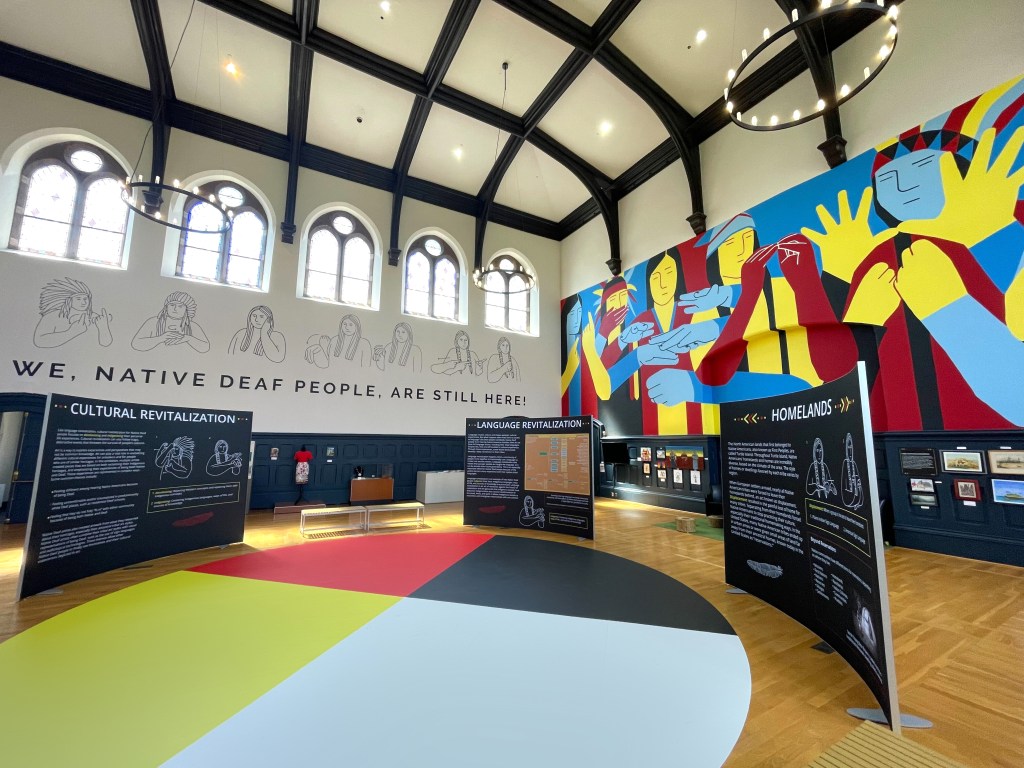
Deaf stories are rarely told in museum exhibitions, let alone Native Deaf American stories. The “We, Native Deaf People, Are Still Here” exhibition opened at the National Deaf Life Museum in October 2024. The historically white-dominated space previously held an exhibition on Gallaudet University’s 150-year history, which was told through a white person’s lens, featuring presidential portraits (mostly white men). The new exhibition was created in response to the university’s decision to change the name of a building that had been named after Senator Dawes–who was responsible for major harm done to Native Americans through the Dawes Act–to a Lenape name chosen by the Native Deaf American community. This exhibition is the first ever initiative to tell Indigenous Deaf people’s stories through their own lens.
The exhibition’s storytelling was led by three Native Deaf community curators. The foundation of the exhibition is decolonization and indigenization; it focuses on four themes: Kinship, Homelands, Cultural Revitalization and Language Revitalization. These themes are reinforced through artwork, cultural belongings, storytelling, videos, and a large-scale mural (53 feet x 19 feet) contributed by the Native Deaf community. The exhibition efforts were led by the Director of the Office of Arts, Culture, and Experience with a museum team working behind the scenes.
This exhibition took one year to plan and opened on October 17, 2024 and will remain open until December 2026.
Golden Gate National Parks Conservancy
Welcome to Indian Land: Resistance, Resilience and Activism on Alcatraz and a revised Cellhouse Audio Tour, “Birth of the Supermax”
The Golden Gate National Parks Conservancy completed two major projects that expand and enrich the story of Alcatraz beyond its traditional narrative: the exhibit Welcome to Indian Land: Resistance, Resilience and Activism on Alcatraz (“WTIL”) and a revised Cellhouse Audio Tour, Birth of the Supermax.
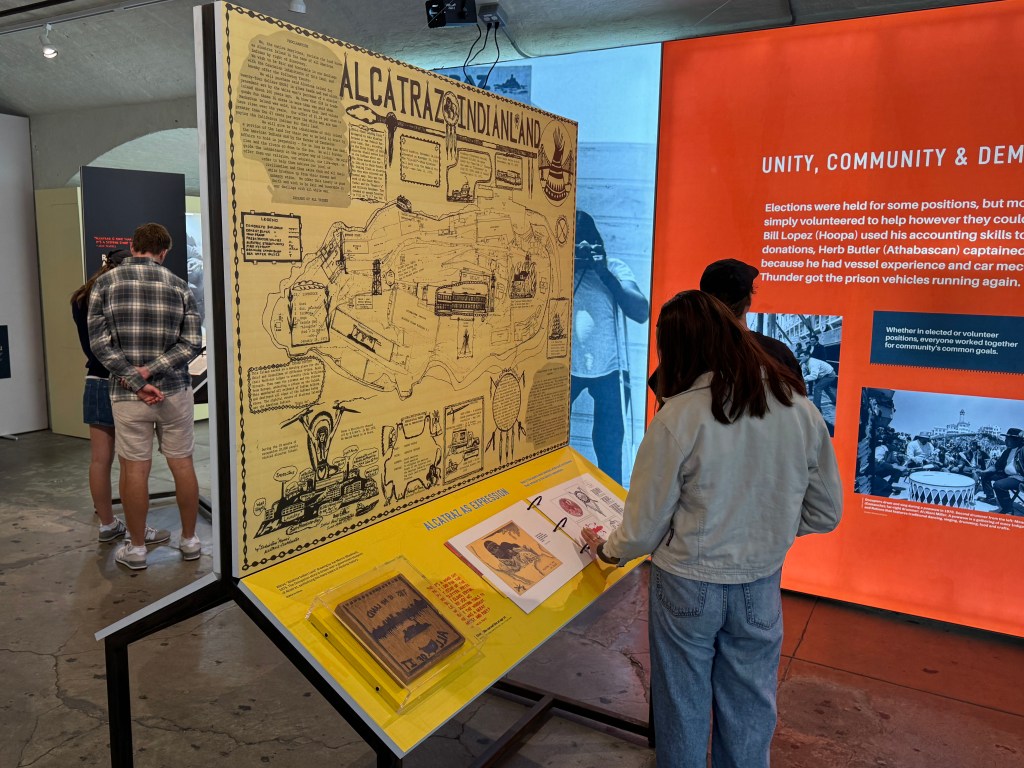
WTIL highlights Indigenous people’s multiple peaceful takeovers of Alcatraz and the 19-month Occupation in 1969-71. Created in close collaboration with Occupation veterans/descendants and native artists, it highlights the centuries of Native American resistance and resilience, the Alcatraz Occupation and current struggles for Indian environmental, political and legal justice. The Cellhouse Audio Tour now features a chapter on the Occupation and adds a chapter about contemporary criminal justice issues: the rise of mass incarceration in the US, racial disparities in American prison populations and the growth of “supermax” prisons after Alcatraz’s closing. It poses challenging questions about mass incarceration as a national policy.
Irving Archives and Museum, in partnership with Badge of Pride
Badge of Pride: From Silence…to Celebration!
Badge of Pride: From Silence…to Celebration! was a landmark partnership between two young organizations—Irving Archives & Museum and Badge of Pride—that came together to create the largest artifact-based LGBTQ+ history exhibition ever presented in Texas. Developed collaboratively with community members and national partners, the exhibition featured more than 600 artifacts, 12 free public programs, bilingual interpretation, and a digital guide that expanded access beyond the museum’s walls.
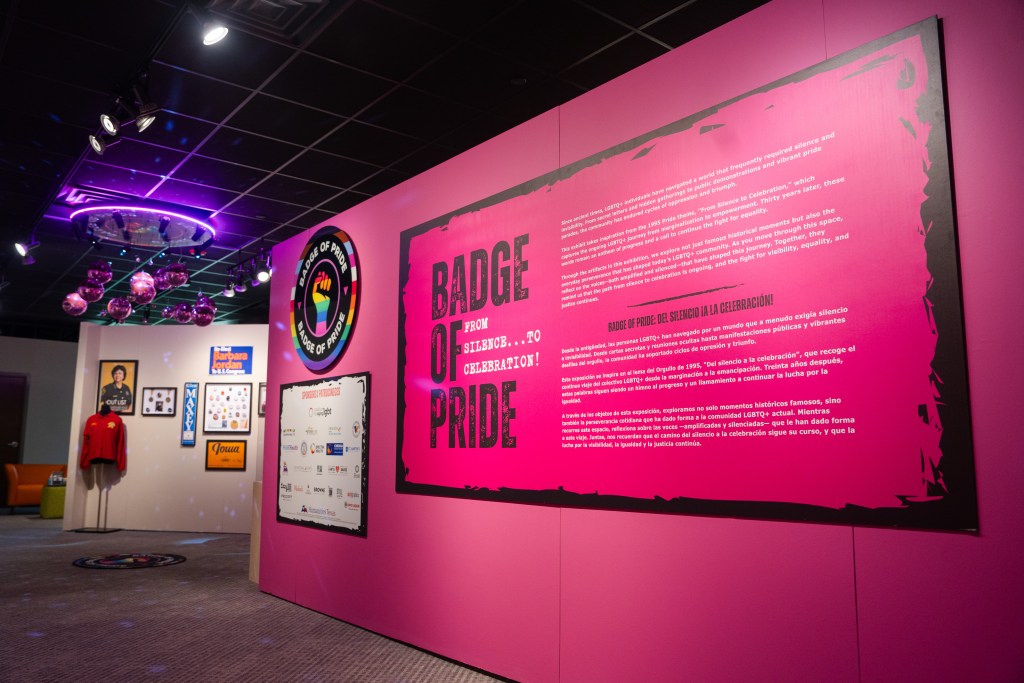
Together, the partners created a bold, community-centered project that reached record attendance, welcomed many first-time museum visitors, and affirmed LGBTQ+ history as essential American history. At a time when inclusive storytelling faces growing political pressure, the exhibition demonstrated how emerging institutions can lead with courage, authenticity, and shared authority. More than an exhibition, Badge of Pride became a model for how museums and grassroots organizations can work together to preserve overlooked histories, build trust, and create meaningful cultural impact.
Johnson County Museum, REDLINED: Cities, Suburbs, and Segregation
REDLINED: Cities, Suburbs, and Segregation is a multi-platform initiative by the Johnson County Museum that transforms how history informs present-day understanding and action. Originating as a 2022 exhibition, REDLINED engaged more than 40,000 visitors and, through partnerships with dozens of cultural, civic, and educational organizations, became a catalyst for community dialogue. The initiative expanded through teacher professional development, public programs, a companion publication, a digital exhibit, and ongoing presentations reaching professionals across sectors ranging from real estate to medicine.
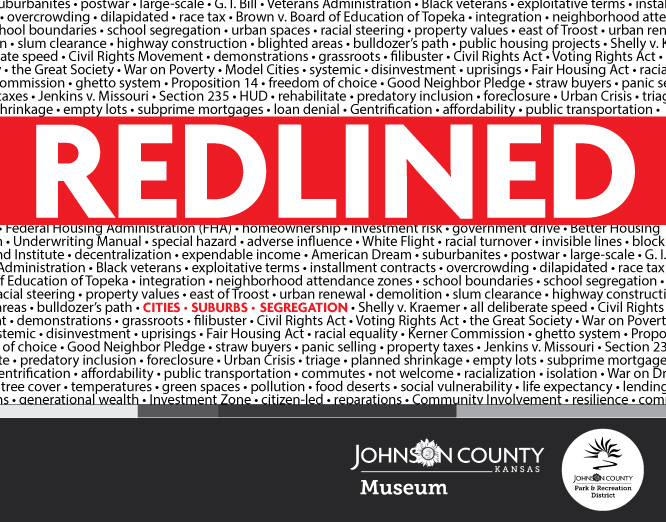
REDLINED also contributed to staff learning through presentations for county employees. In 2025, the museum built on ongoing efforts to launch the Legacies of Redlining Summit with a topic designed to explore the ongoing impacts of redlining on a local watershed and environmental justice. By connecting historical policy to contemporary challenges, REDLINED demonstrates how museums can serve as trusted civic resources, fostering informed communities and inspiring meaningful change.
Recognition for Institutions:
Clyfford Still Museum
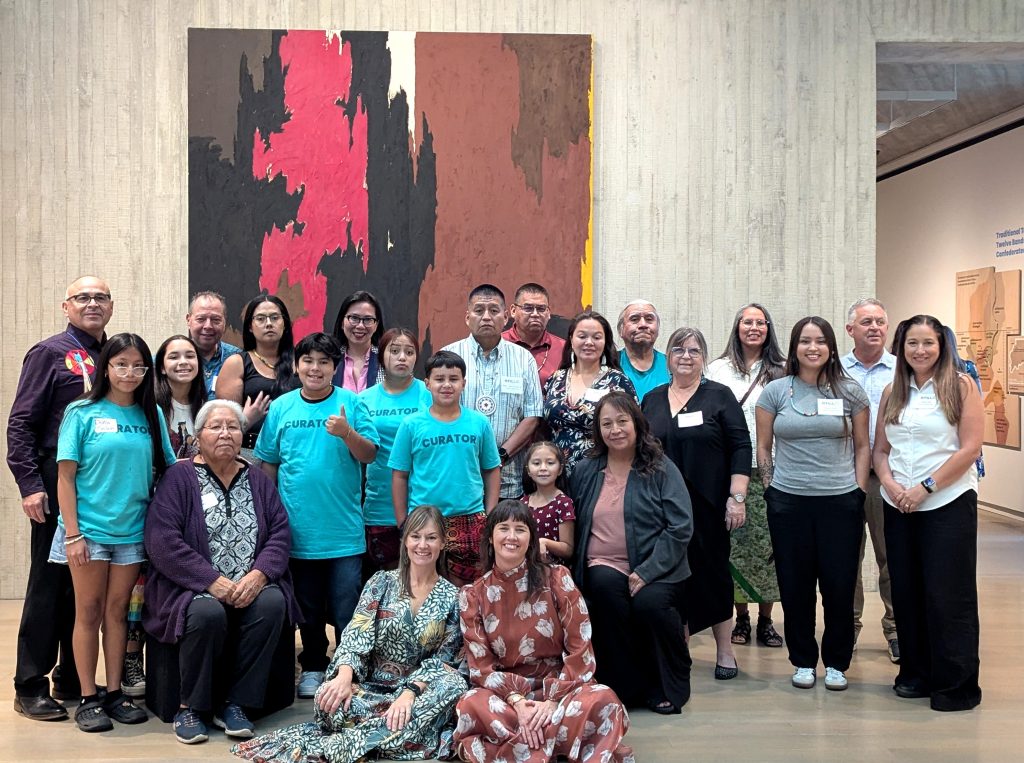
Home to the art and legacy of the American painter Clyfford Still, the museum invites all to explore the potential of individual creative endeavor. Designed specifically to display Still’s art, the award-winning Clyfford Still Museum is home to nearly everything he created, approximately 3,125 pieces representing 93% of his lifetime of work. The Museum supports new artistic endeavors, inviting visitors to draw strength from Still’s art and life. At the Still, visitors will find a world-class collection gifted to the City and County of Denver, award-winning architecture, cross-disciplinary programs for all ages, and opportunities to explore their own creativity. The Still believes they benefit from the varied perspectives everyone brings, and that they inherit and manifest Still’s fiercely independent spirit by pursuing bold and transformative practices in the museum field and in their community. They state, “we work together to achieve more than we could alone.”
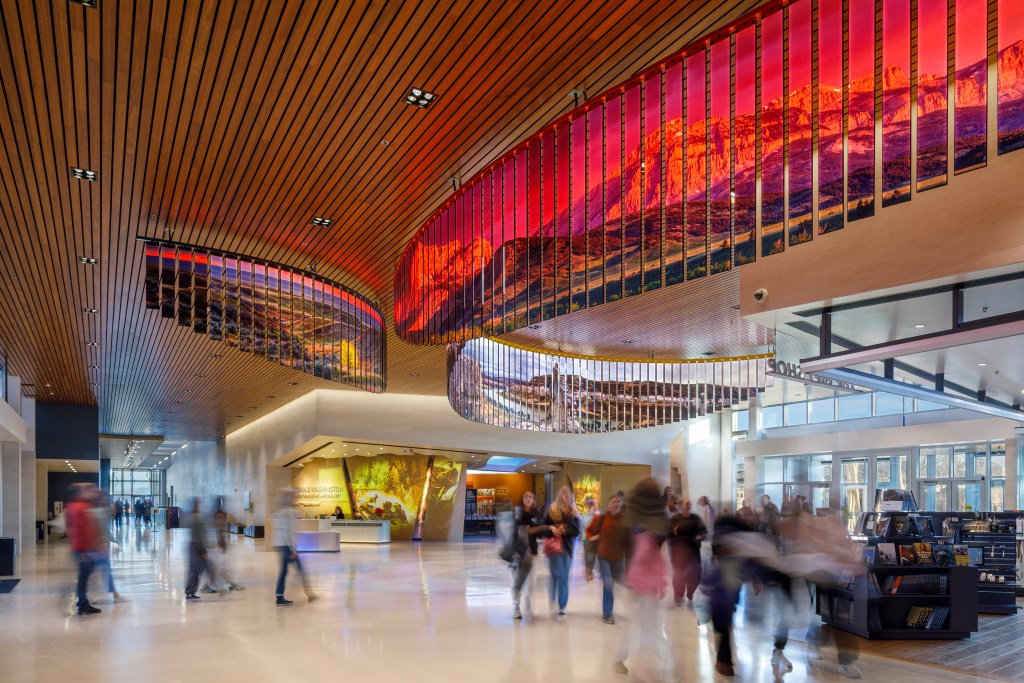
Montana Historical Society
Established in 1865, the Montana Historical Society preserves the past, shares stories, and inspires exploration to provide meaning for today and vision for tomorrow. Through the recently opened Montana Heritage Center, the museum connects history to landscapes, inviting visitors to discover how generations of people have shaped – and been shaped by – the remarkable place they are located. The museum welcomes visitors to discover history through artifacts, interactive exhibits, and firsthand stories. Through their library and archives, publications, historic signs, educator resources, and educational opportunities, they inspire people’s innate sense of discovery and strive to connect all generations to Montana’s story.
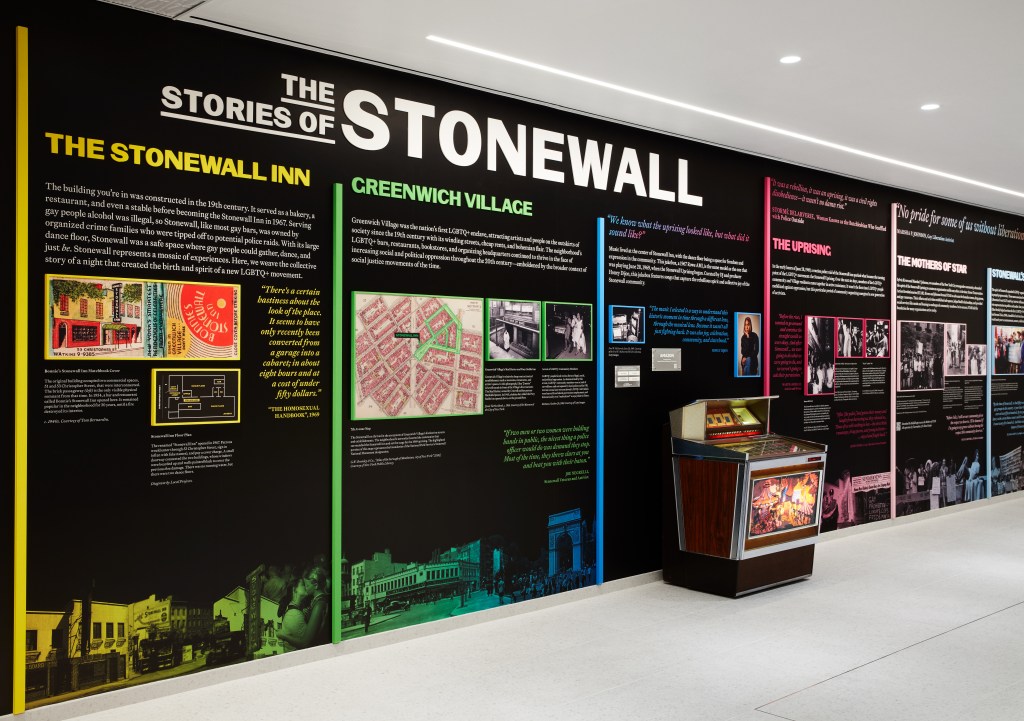
Stonewall National Monument Visitor Center
The Stonewall National Monument Visitor Center (SNMVC), independently owned and operated by Pride Live and 100% donation-supported, is the first LGBTQ+ visitor center within the National Park Service (NPS). Located at 51 Christopher Street, the SNMVC opened on June 28, 2024, commemorating the 55th anniversary of the historic Stonewall Rebellion, a pivotal event in the pursuit of full LGBTQ+ equality. The SNMVC serves as an educational resource, offering an immersive experience through in-person and virtual tours, lecture series, exhibitions, and visual arts displays. Founded by two Queer women of color, Diana Rodriguez and Ann Marie Gothard, the SNMVC aims to protect and preserve the legacy of Stonewall, acting as a beacon for future generations. To learn more, visit www.stonewallvisitorcenter.org
The Seward House Museum
The Seward House Museum (SHM), located in Auburn, New York, connects people to the legacy of the Seward family by interpreting their vision for equality, service, democracy, and progress. Centered on the life and career of William Henry Seward, statesman and reformer, the Museum also highlights the broader Seward family’s enduring contributions to American history.
Established as a museum in 1955 and designated a National Historic Landmark, SHM is a source of community pride and a destination for visitors from around the world. The historic home has been carefully restored to reflect its original character and houses an exceptional collection of political and travel memorabilia, fine and decorative arts, and original furnishings.
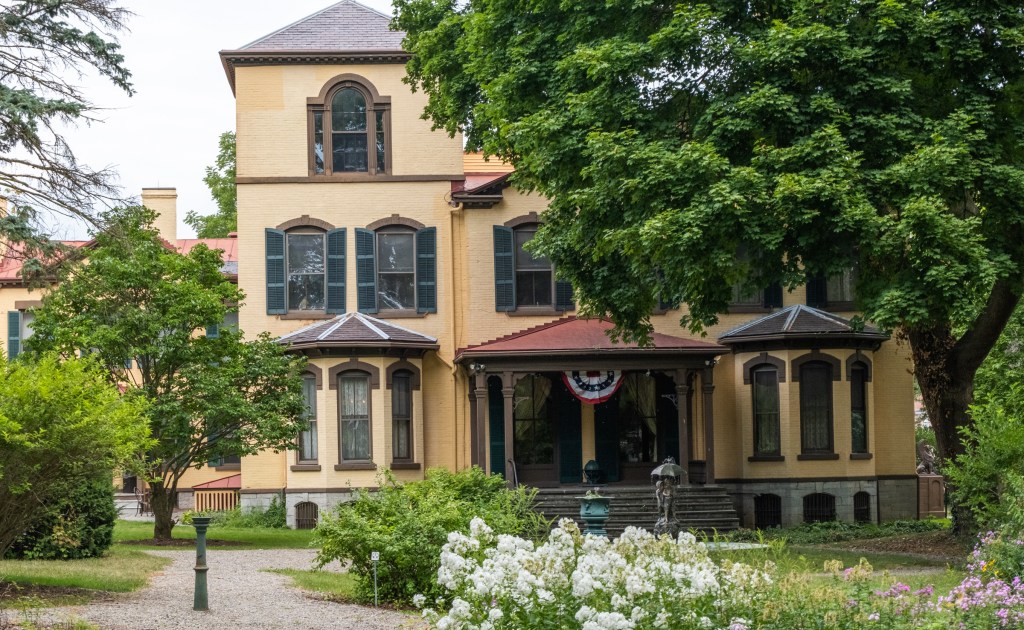
Set on two acres of lush gardens and mature trees, the Museum offers an immersive and welcoming experience that connects past and present through place, story, and shared values.
Join us in congratulating the 2026 AAM Award recipients for their outstanding work in elevating the impact of their programs and institutions and serving their communities steadfastly.
The AAM Awards Program is designed to be accessible, inclusive, and relevant to the broad scope of the museum field. Recognition of multiple honorees in certain categories highlights the scope of exemplary work across all types of museums and roles in the museum field.
Awards will be presented at the 2026 AAM Annual Meeting & MuseumExpo in Philadelphia.
About the American Alliance of Museums
The American Alliance of Museums (AAM) is the only organization representing the entire museum field, from art and history museums to science centers and zoos. Since 1906, we have been championing museums through advocacy and providing museum professionals with the resources, knowledge, inspiration, and connections they need to move the field forward.
###
Press Contact:
Natanya Khashan
media@aam-us.org

Upcoming Events
-
Creative Museums Summit
Event Date:Presented by: MuseumNext -
-
-