In recent years, museums have begun to recognize that public perception plays a critical role in long-term sustainability. Audiences, businesses, and philanthropic partners increasingly look to support institutions that demonstrate clear community impact, educational value, and civic leadership.
This article originally appeared in the July/August 2026 issue of Museum magazine, a benefit of AAM membership.
» Read Museum.
Strategic communication helps shape that perception, positioning museums not only as destinations for visitors but as trusted institutions within their communities. Strategic communication is not simply about promotion. When integrated with fundraising and leadership strategy, it can strengthen corporate partnerships, expand board engagement, and reinforce a museum’s long-term sustainability.
For many organizations, shifting toward more strategic communication means rethinking how the role of PR is understood across the organization. Traditionally, marketing and development teams have operated on separate tracks. Marketing focuses on attendance, media coverage, and audience engagement, while development teams concentrate on donors, sponsorships, and grants. Yet both groups are ultimately telling the same story about why the museum matters.
The challenge is that in most small to midsized museums, these teams are usually the same few people. Museum marketing and communications staff routinely juggle exhibition launches, social media calendars, email campaigns, print schedules, event promotions, media relations, and internal communications—all simultaneously. Creative project loads are relentless, and proactive PR efforts are often the first thing deprioritized when deadlines approach. It’s not that museum communicators don’t understand the value of strategic PR, but rather that the existing structure of the field rarely creates space for it.
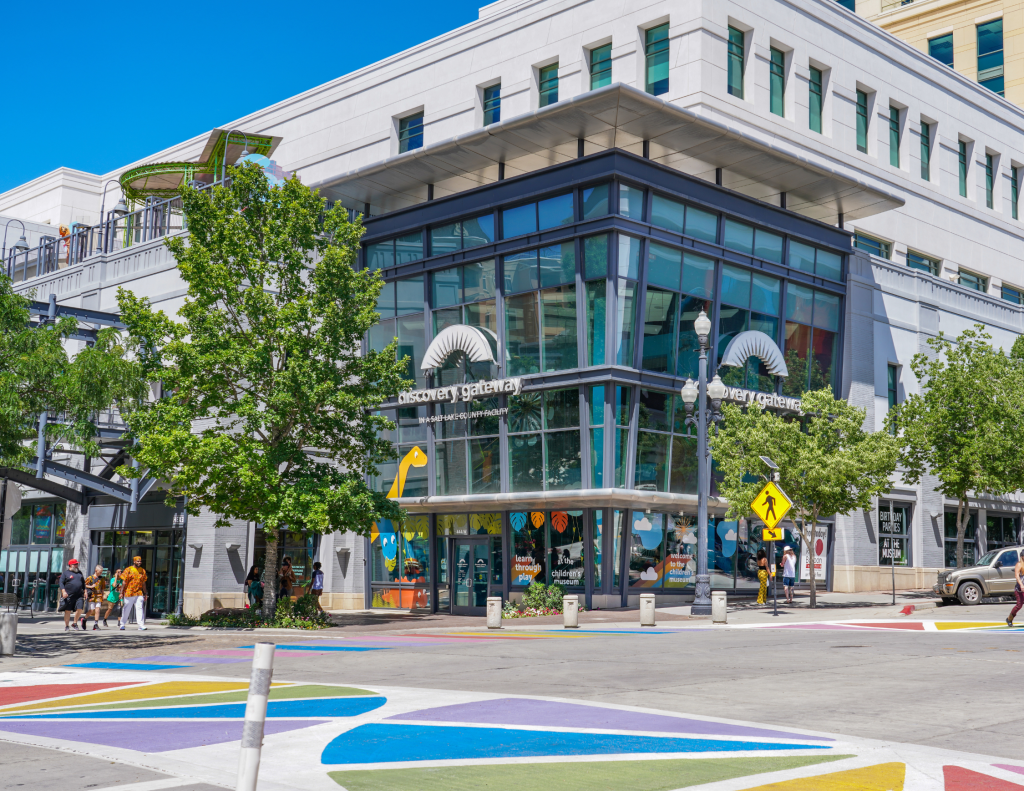
The solution is not working harder. Successful institutions make a deliberate organizational commitment to treat communications as a strategic function, not just an operational one. We’ve done this at Discovery Gateway Children’s Museum, a midsize museum located in Salt Lake City, Utah, with 25 full-time staff, 13 part-time staff, and an annual operating budget of just over $3.5 million. This approach has allowed us to grow our corporate partnerships, recruit a broader array of board members, and position our museum for long-term sustainability.
Demonstrating Our Institutional Value
When public storytelling and fundraising strategy begin to align, museum communications can demonstrate the institution’s value to the broader community. Museums occupy unique positions in their communities, acting as educational spaces, gathering places, and cultural resources that serve families, schools, and civic organizations. When museums consistently communicate that role through media engagement, community partnerships, and leadership participation in public conversations, they begin to build something incredibly powerful within the local business ecosystem: institutional trust and brand equity.
For businesses, partnerships with community institutions are increasingly tied to values and public perception. Businesses want to demonstrate that they are actively investing in education, supporting families, and contributing to the communities where their employees and customers live. Museums provide an authentic platform for this engagement, and public relations strategies can significantly shape how these partnerships emerge. Visibility in local media, participation in community initiatives, and clear impact storytelling position museums as credible partners for businesses seeking to align their brands with meaningful community work.
Over time, visibility builds familiarity and trust. Business leaders become more aware of the museum’s mission and see the institution contributing to conversations about education, family engagement, and community development. A partnership with a museum becomes a natural extension of shared community goals.
At Discovery Gateway Children’s Museum, one of the most instructive examples of this dynamic is our partnership with the Utah Transit Authority (UTA). UTA had been a lower-level museum donor and partner for years prior to becoming the major donor it is today.
The shift came not from another round of sponsorship proposals, but from a moment of strategic public visibility. Our CEO was speaking at a local women in leadership conference where she connected with a senior UTA executive. This executive was new to Utah and her role, looking to build roots in the broader business and female leadership communities. What began as a collegial friendship deepened over time, grounded in shared values around community access, education, and public service. Eventually, the UTA executive joined the museum’s board, where she became one of its most committed advocates and, ultimately, board chair.
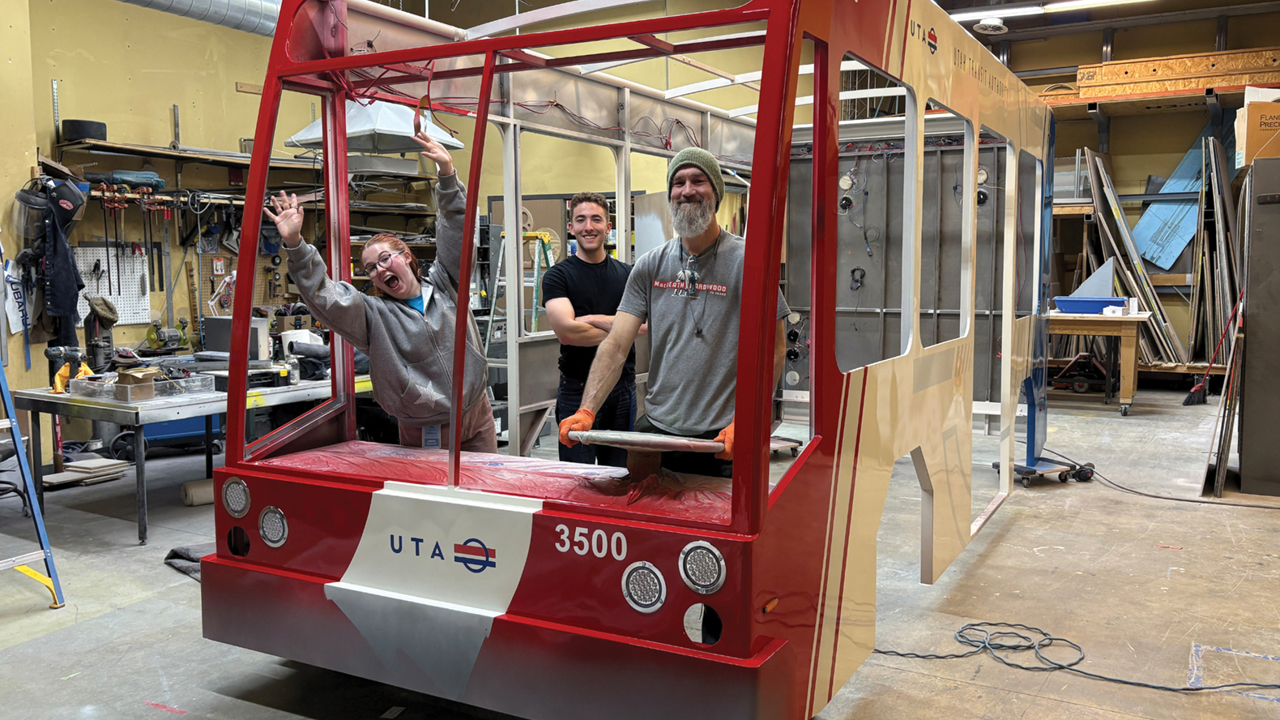
This relationship was the foundation for what is now our UTA Transit Exhibit: an immersive transit experience built in-house by the museum team with support from multiple UTA departments. Using real bus seats, an authentic driver’s seat and steering wheel, genuine bus components and buttons, and interior bus decals, the exhibit recreates the experience of riding and operating a city bus. Children can tap on and tap off using real UTA fare machines, slip into kid-sized bus driver uniforms, and take the wheel themselves. The exhibit is wheelchair accessible and included with general museum admission, ensuring access for underserved families that both institutions are committed to reaching.
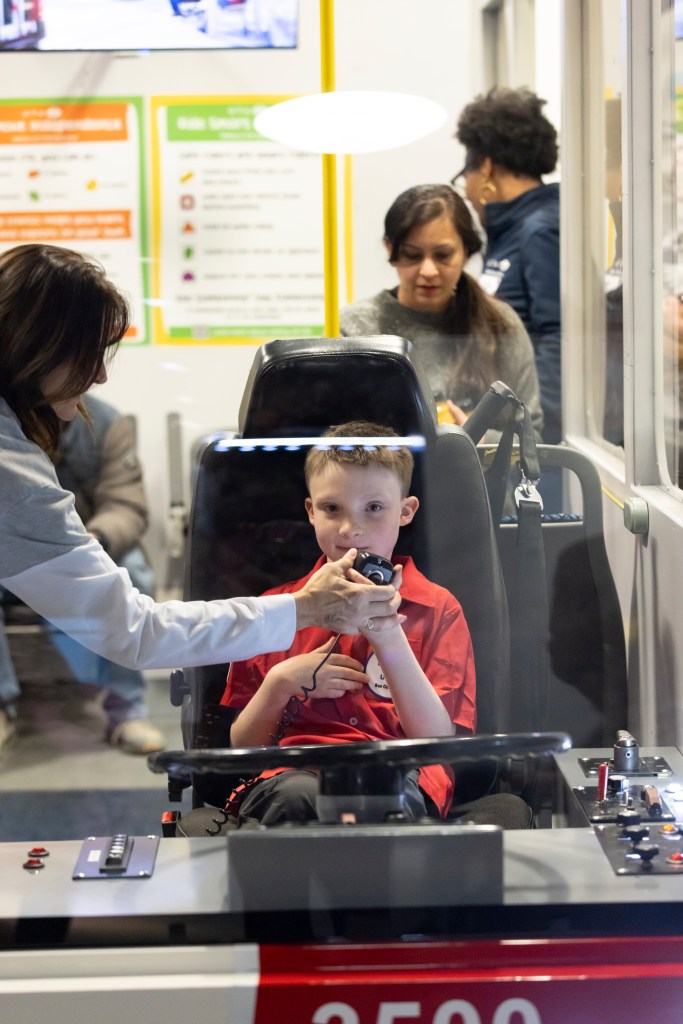
making public transit accessible to the next generation.
UTA’s support extends beyond the exhibit itself. As part of its commitment to community access, UTA participates in our Museum Inclusion Fund, providing transit passes to visiting organizations, helping ensure that transportation is never a barrier to a child’s experience.
The Museum Inclusion Fund, supported by a growing group of corporate sponsors, partners with organizations serving children, youth, and families facing economic hardship, health challenges, housing instability, and other barriers to access. It resonates deeply with corporate partners who want their support to go beyond traditional donor recognition. When a business can point to something concrete, such as putting a child in our building who would not have otherwise had access, that is a story worth telling. Many companies are actively seeking this kind of tangible community impact.
5 Ways to Strengthen Your PR Efforts
You don’t need a large team or budget to build visibility. Start today with these high-impact actions.
- Share every major moment. Issue press releases for exhibitions, partnerships, new grants, and program updates. Keep them concise and lead with tangible community impact.
- Engage civic leaders consistently. Invite elected officials to your events. Familiarity builds advocacy and supports future funding conversations.
- Be visible in esteemed business spaces. Engage with your local chamber of commerce and regularly attend networking events. Relationships turn sponsorship asks into natural conversations.
- Apply for local recognition. Pursue leadership awards and “best of” lists. These recognitions boost credibility, expand reach, and generate additional press.
- Elevate leadership voices. Pitch museum leaders for panels, conferences, and speaking engagements. Visibility builds authority and opens new doors.
As the museum’s public presence has grown, more local and regional businesses have become involved in our Museum Inclusion Fund. Corporate memberships have increased as companies recognize that supporting a museum is not just a charitable gesture but a meaningful statement about their values and their investment in the community and those they employ.
Sustained visibility can also open doors to entirely new categories of partnership. When Granite Credit Union was looking to deepen its community involvement while offering a meaningful benefit to its cardholders, the museum was already on their radar as a trusted local institution. Together we developed a first-of-its-kind arrangement: Granite contributes annual support to the museum, and its credit and debit cardholders receive 15 percent off admission, giving both organizations a reason to actively promote each other. The museum gains exposure to an entirely new audience of potential visitors and members, and Granite reinforces its identity as a locally rooted institution invested in family and community. Neither organization had to stretch to make the partnership feel authentic because it grew naturally from aligned values and shared community commitment.
Public relations also has a powerful influence on board recruitment and engagement. Visibility in the business community shapes how prospective board members perceive an institution long before they are formally invited to serve. Business and civic leaders are frequently drawn to organizations that demonstrate clear impact and a strong public presence. When museums consistently communicate their role as educational resources and community partners, they become more attractive to individuals who want to contribute their expertise and networks to meaningful civic work.
As Discovery Gateway Children’s Museum has strengthened its identity as an educational and cultural institution, interest in board service has grown. Our Young Professional Board has seen a marked increase in the quality and connectedness of applicants, and a formalized promotion path from the Young Professional Board to the board of directors now creates a pipeline for mentorship and long-term leadership. Board members bring their networks with them, opening doors to new fundraising initiatives, corporate relationships, and philanthropic opportunities.
Success Through Consistency and Measurement
Museums today operate in an environment shaped by evolving audience expectations, rapid technological change, and increasing financial pressures. In this landscape, public relations and storytelling are no longer just promotional tools. They are strategic assets that shape how communities understand and value museums as cultural institutions.
The partnerships described in this article did not begin with a proposal or a pitch but with strategic presence. This sustained visibility means showing up even when the work doesn’t pay off right away. Pitches often get ignored, stories get cut, and a meticulously timed announcement may lose momentum to breaking news. For small teams already stretched thin, these setbacks can be discouraging. But every communicator with a meaningful track record has a long history of failure—and has kept going anyway. The institutions that build a lasting public presence do so not because every swing connects, but because they stay in the game. The relationship behind a story that never ran can lead somewhere better the following year.
As museums adopt more integrated communication strategies, measuring success becomes increasingly important. Traditional marketing metrics such as media impressions, social media engagement, and website traffic remain useful indicators of reach. However, institutions are beginning to look at additional signals that reveal how communication efforts influence fundraising outcomes.
At Discovery Gateway Children’s Museum, we track these signals closely, and the patterns are clear. As our public presence has grown through media features spanning local television outlets to national platforms like National Geographic and NPR, we have seen a direct correlation with philanthropic momentum. Corporate sponsorship revenue grew from $472,988 in FY 24 to $540,341 in FY 25, exceeding our initial goal by more than 14 percent.
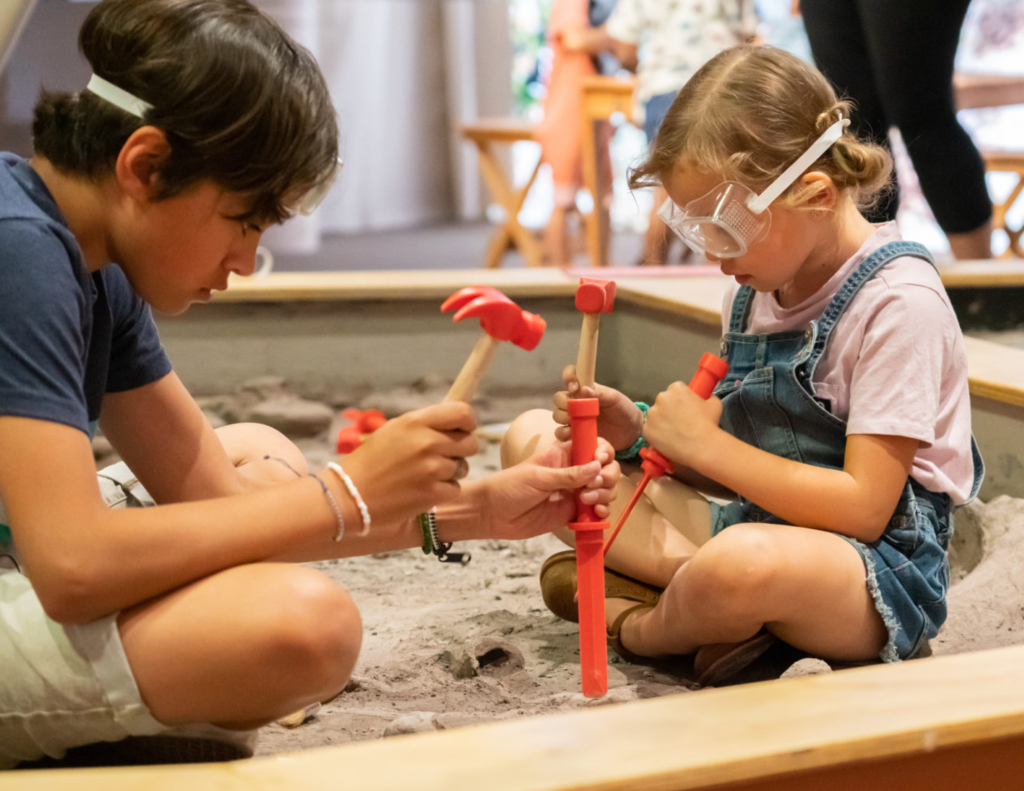
This momentum didn’t happen in a vacuum; it followed intentional investment in media relations, organizational recognition, CEO visibility, speaking engagements, and community storytelling. Tracking these patterns helps us connect the dots between communication efforts and financial outcomes, and make the case internally for continuing to prioritize strategic PR. When storytelling, partnership development, and fundraising strategy align, both audience engagement and financial support grow.
Museums that intentionally position themselves as credible educational institutions, community resources, and collaborative partners can transform visibility into long-term relationships. These relationships often lead to stronger corporate partnerships, deeper philanthropic engagement, and more resilient financial support.
As the museum sector continues to evolve, communications can no longer operate as a separate function from fundraising and leadership strategy. When storytelling, partnerships, and institutional visibility are aligned, museums build something far more durable than media attention: the relationships, trust, and leadership networks that sustain their missions for the long term.
Upcoming Events
-
-
Understanding the U.S. History Sector
Event Date:Presented by: American Association for State and Local History (AASLH) -
-
Industry Showcase: Innovative Digital Solutions
Event Date: