For decades, the traditional museum model was simple: charge an entry fee, offer an annual membership packed with transactional perks, and rely on major donors to bridge the financial gap.
Today, Generation Z (those born between 1997 and 2012) is pushing back on this conventional approach.
Making up roughly 20 percent of the US population, Gen Z is the most racially and ethnically diverse generation in American history. Yet demographics tell only part of the story.
As recent research from Made By Us and Mastercard reveals, Gen Z values community, authenticity, equity, flexibility, personal agency, and self-actualization over passive consumption and rigid hierarchies. Younger audiences give differently. They hold different values than older generations, and they apply a different set of standards to the ways they direct their philanthropy.
Gen Z perceives museums as vital spaces for processing complex emotions, confronting challenging topics, and building community but also as third places where they can have unique and fun experiences with others. Furthermore, younger audiences perceive museums as tools for identity building and places where they can explore fluid subcultures, refine their aesthetic tastes, and articulate their personal stories.
Crucially, for Gen Z audiences, cultural participation comes with an expectation of inclusion, belonging, and co-creation. If museums are to remain relevant and financially sustainable, we must rethink everything from public programming and social media strategies to institutional partnerships and membership models.
To secure Gen Z’s long-term loyalty, museums must evolve beyond the traditional membership model. Turning casual Gen Z visitors into invested members requires accessible, collaborative pathways tailored to younger audiences. The following strategies demonstrate how forward-thinking museums are bridging this gap and transforming Gen Z audiences into lifelong members.
Ways Museums Are Experimenting with Gen Z Member Engagement
While many Gen Z-focused initiatives remain in their early stages, engaging younger audiences represents a critical frontier for membership growth. There are no definitive, silver-bullet solutions—yet. However, forward-thinking cultural institutions are actively testing new approaches to attract, engage, and retain Gen Z members.
1. Disrupting the Legacy Membership Model with Dedicated Gen Z Tiers
The standard approach to membership has fallen out of sync with the needs and motivations of younger audiences. Traditional perks hold little sway for Gen Zers, who favor flexibility, curated experiences, and meaningful in-person connections. Intentionally designing a distinct membership level for Gen Z is a strategic opportunity for museums, but doing so requires more than simply repackaging standard benefits. To be successful, this approach demands a differentiated pricing strategy, tailored experiences, and brand messaging built explicitly around Gen Z motivations.
Consider the Tenement Museum’s Storytellers Society. Designed and marketed as its own distinct membership level for young professionals in their twenties and thirties, the Storytellers Society (priced at $175 per year) is promoted as encouraging “a tight-knit group of like-minded individuals to come together to explore the complexities of American identity, find connection through our tenement stories, and celebrate the mission of the Museum.” The program has evolved over time to meet Gen Z’s interests through evening programs, critical dialogue, and a book club.
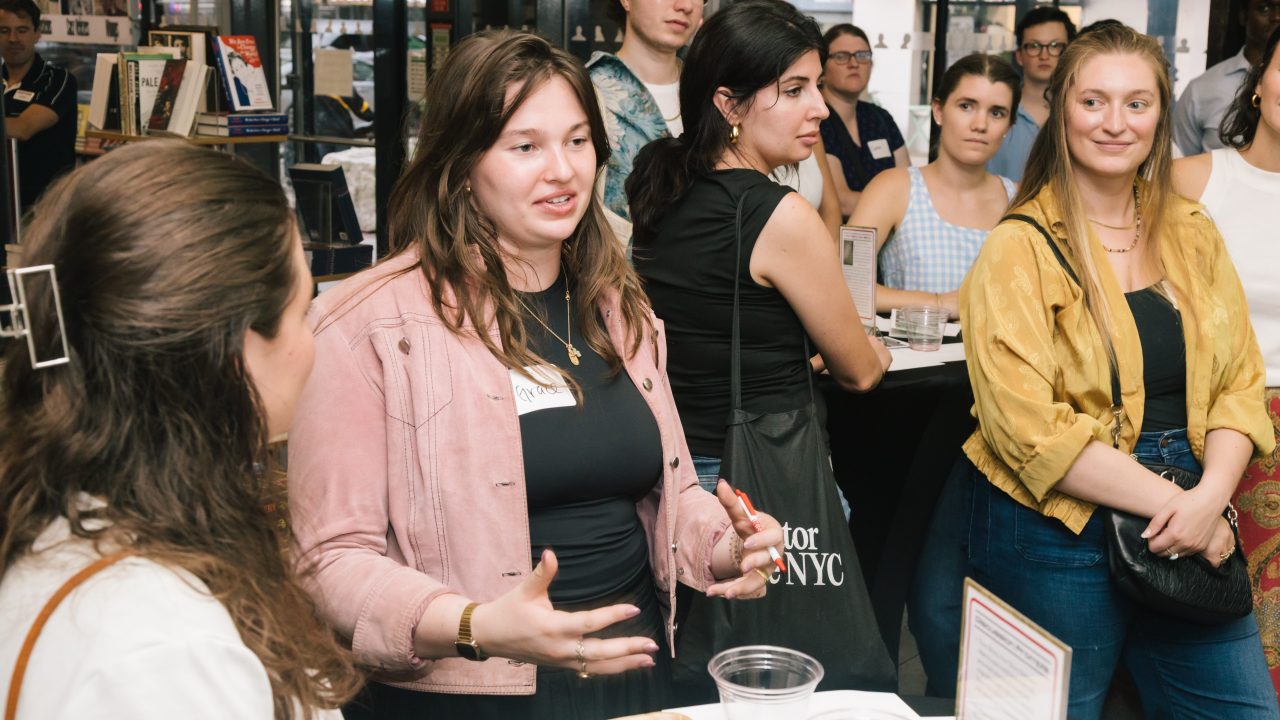
One such event was Evening at the Tenements, which featured tours of the museum, mingling, and an interactive activity. Attendees were invited to directly engage with the museum’s work through the Your Story, Our Story. This digital archive showcases objects and traditions that tell individual stories of American migration and cultural identity from across the country. Through a facilitated discussion, participants were able to connect their own family histories to the tour experience as well as to the stories of others attending the event. The museum team noted that attendees included a mix of longtime members and new visitors who were all willing to share personal anecdotes with the group. From this single event, the museum gained four new Storytellers.
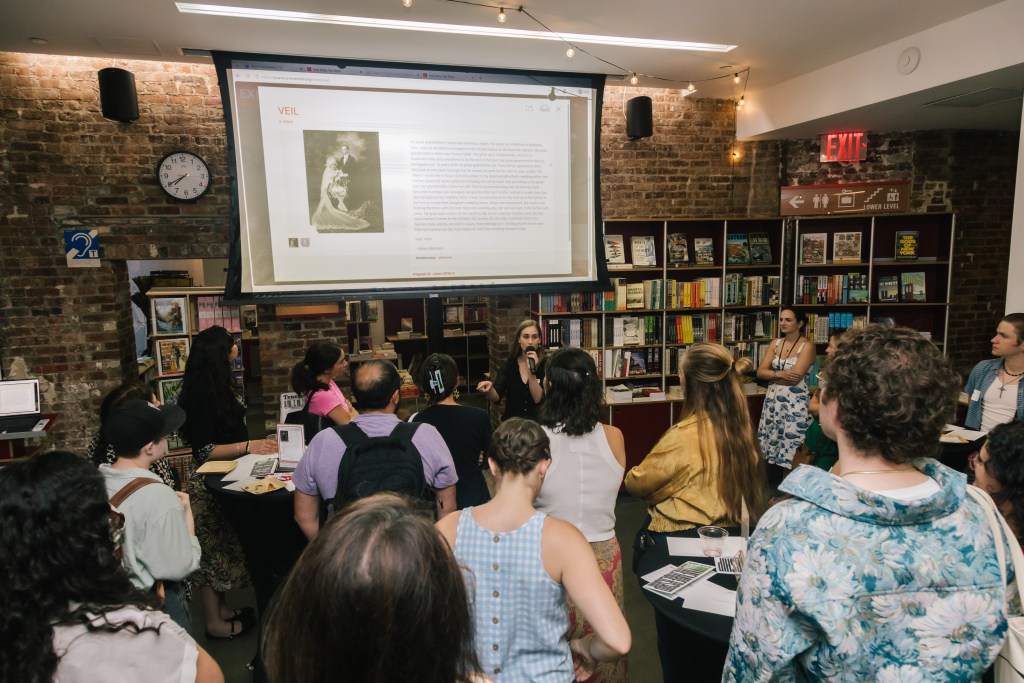
As Ian Patrick, vice president of individual giving at the Tenement Museum, notes, “The goal of the Storytellers Society is to move away from transactional perks toward a more relational membership that builds community.” With growing participation, the strategy leans into Gen Z’s need for deeper engagement, a sense of belonging, and shared values over the common museum “party nights” approach.
Another great example is the Smithsonian American Art Museum’s SAAM Creatives, a membership tier designed exclusively for young professionals who are interested in “immersing themselves in the American art experience and supporting the museum.” Priced at $250/year for an individual or $450/year for a couple, this dedicated membership level invites younger members to “dive into new exhibitions with curators and socialize with other creatives.”
2. Lowering Barriers to Entry via Free or Low-Cost Membership
Cost remains the primary deterrent for potential Gen Z members. Saddled with economic volatility, student debt, and shrinking purchasing power, teens and young adults scrutinize their discretionary spending. To earn a spot in their life, museum membership programs must deliver immediate, tangible value compared to alternative social experiences.
Two compelling examples of recently introduced free or low-cost membership tiers include:
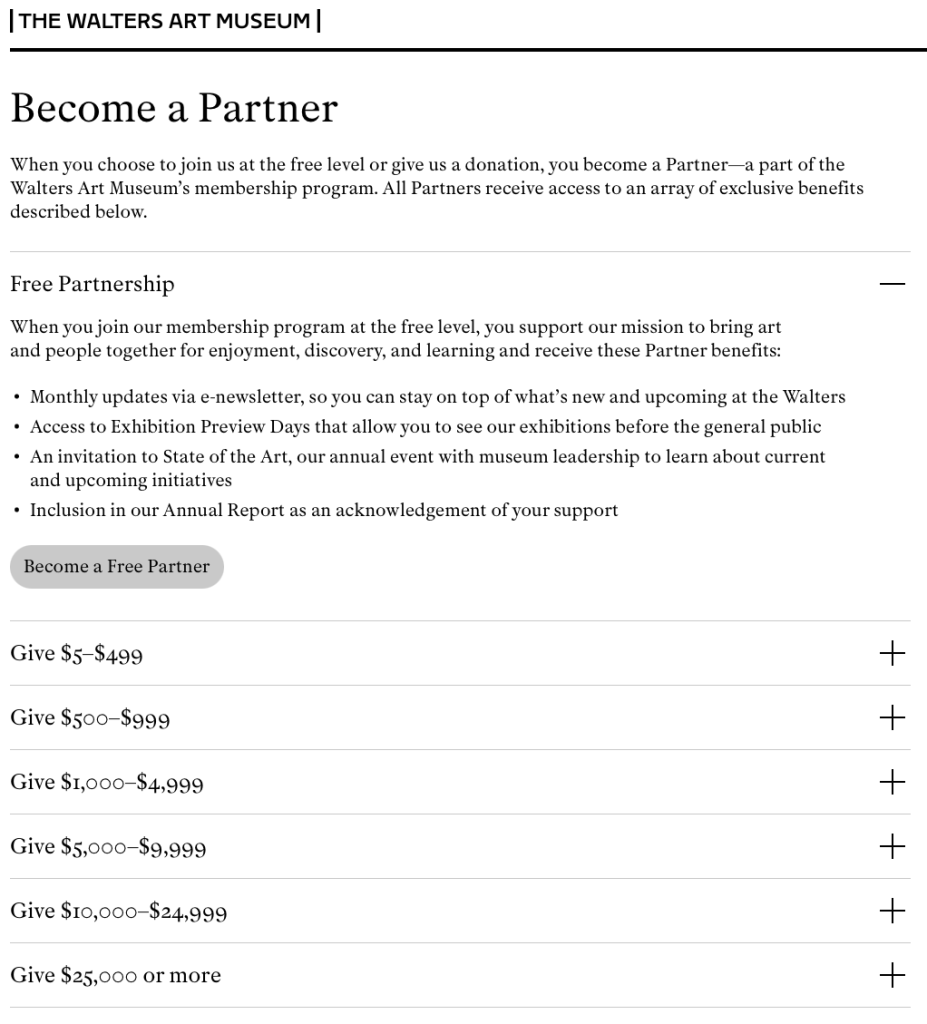
- The Walters Art Museum’s Partnership program: While not exclusively built for Gen Z, this new membership model embodies the core principles that resonate with younger audiences. For example, the Walters offers a free membership tier alongside flexible giving ranges to meet audiences where they are based on their financial situation.
- The National Portrait Gallery, London’s CLUB NPG: With a goal to broaden access to art and nurture deeper connections with Gen Z audiences, CLUB NPG offers free membership for 16- to 25-year-olds along with £5 exhibition tickets. The result? Over 1,000 young members joined in its first month alone.
3. Adapting to Subscription Habits through Monthly Giving
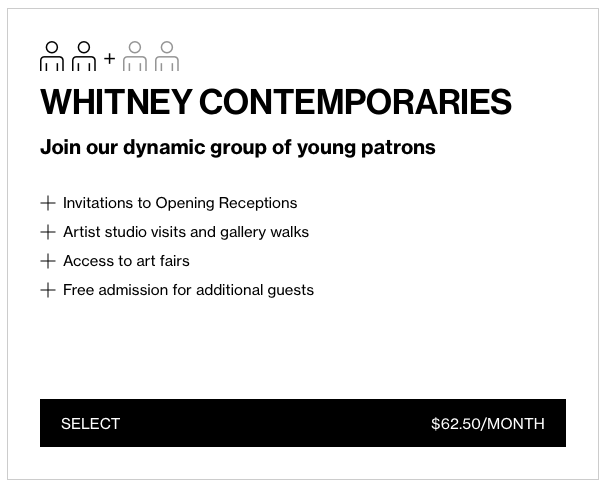
To eliminate the friction of steep, upfront annual fees, museums are embracing monthly payments for membership. Operating like a Netflix or Spotify subscription, this pricing strategy aligns seamlessly with Gen Z’s existing financial habits while helping cultural institutions build predictable, recurring membership revenue. For example, the Whitney Museum of American Art offers an affordable monthly payment option starting at $62.50 to join its Whitney Contemporaries tiers, which are priced at $750 to $1,250 per year.
4. Engaging Gen Z through Co-Creation
Dedicated teen membership programs are shifting from basic access passes toward active pathways for youth leadership. Most important, museums are realizing that true engagement for Gen Z isn’t just about getting them through the door—it’s about giving them a voice. Here’s how two leading institutions are thoughtfully designing teen membership programs around advisory boards and co-creation:
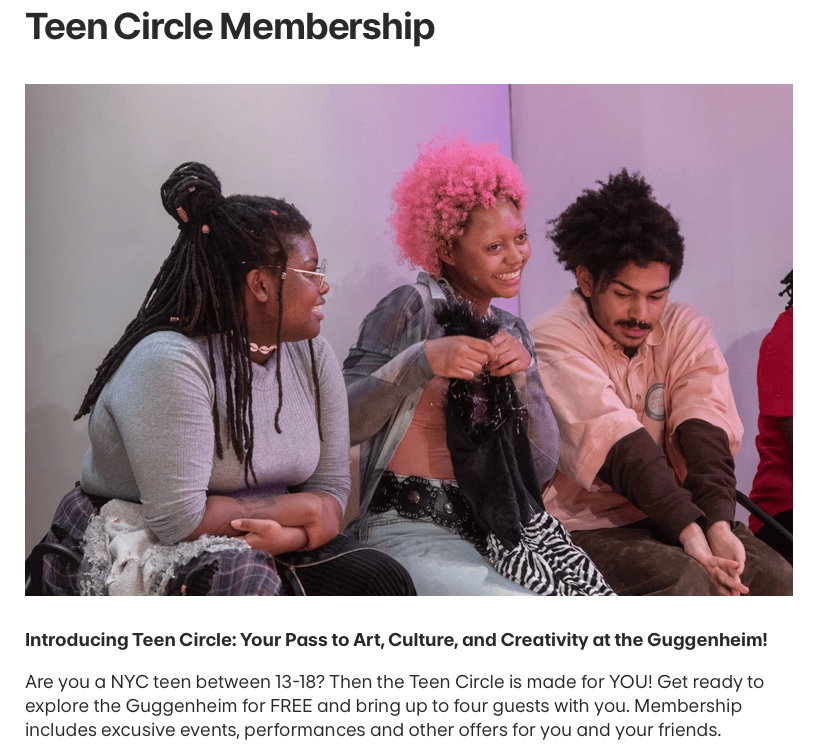
- The Guggenheim offers two free initiatives for youth aged 13 to 18. Teen Circle membership provides access to exclusive events, performances, and group activities for members and their friends. Meanwhile, the GuggTeens program empowers participants to design peer-led experiences, share ideas, meet new people, and collaboratively reimagine the future.
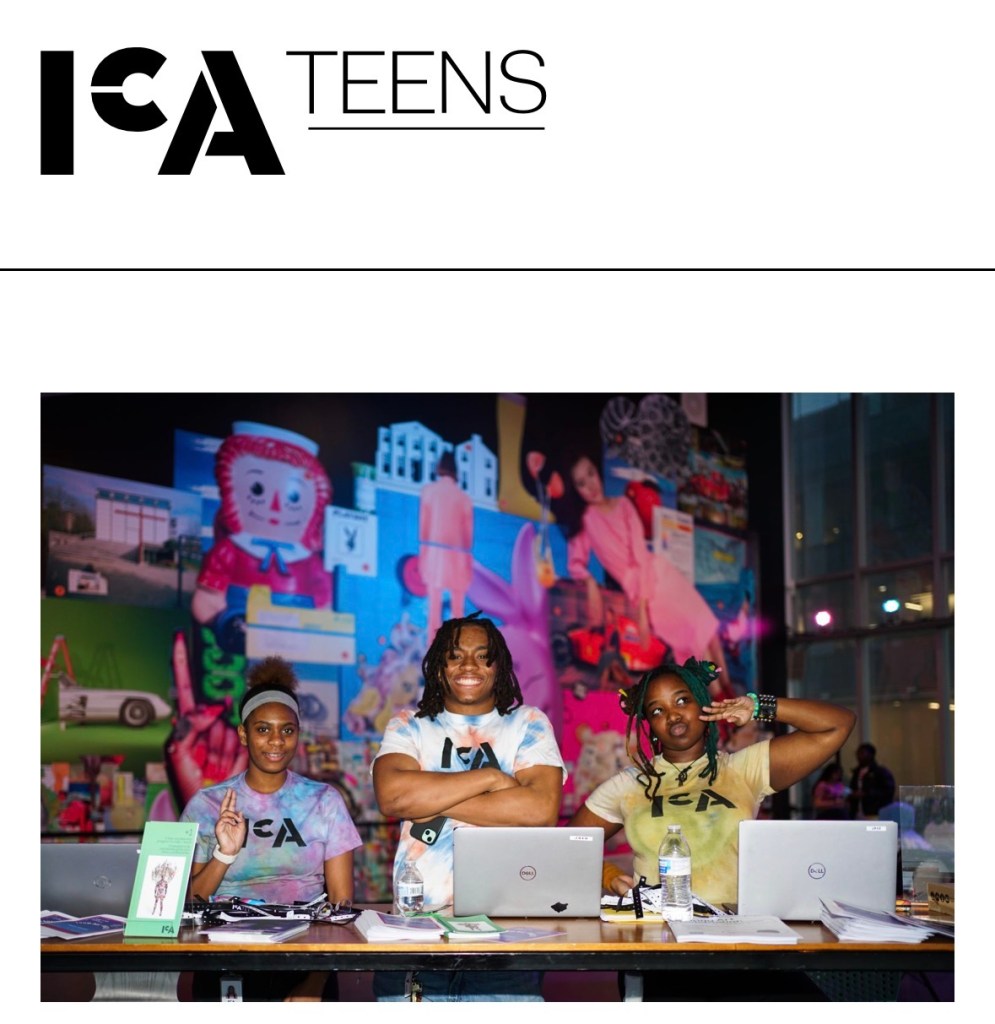
- The Institute of Contemporary Art (ICA) Boston’s Teen Arts Council drives Gen Z engagement by employing local teens to create arts programming, peer resources, and sociopolitical initiatives that center youth activism and creative expression. ICA Boston also offers a free +1 Teen Membership that includes a special welcome gift, digital membership card, advance access to tickets, and tailored communications.
5. Highlighting University Partnerships and Academic Pathways
College and high school partnerships offer a strategic pathway to build early brand affinity with young audiences. By establishing institutional agreements or dedicated student membership levels, cultural leaders can establish their museums as essential third places and pave the way for long-term participation.
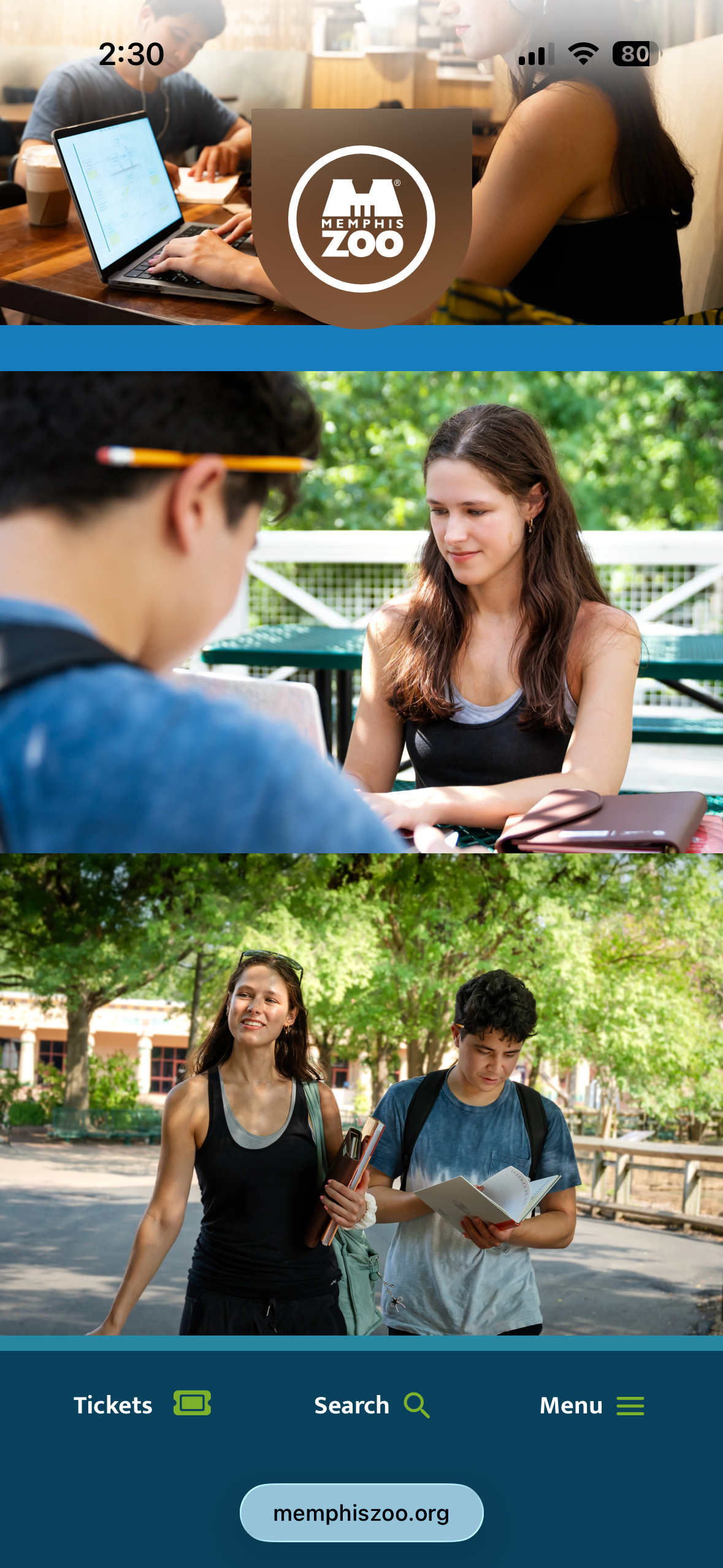
For example, the Memphis Zoo promotes its $50 College Student Membership as a way to access “safe and quiet spots to study or relax, and endless chances to recharge” with benefits that include free admission, discounts, guest passes, and loyalty rewards. The Museum of Fine Arts Boston’s University Membership Program offers not only free admission and $5 film tickets for students from participating schools but access to targeted programming such as livestreams and panel discussions as well as personalized self-guided and guided tours. Importantly, this program features a built-in pathway to membership: students receive a $30 discount on a paid membership, encouraging University Members to form their own relationship with the museum outside of their schools.
6. Cultivating Gen Z Donors via Values-Driven Affinity Groups
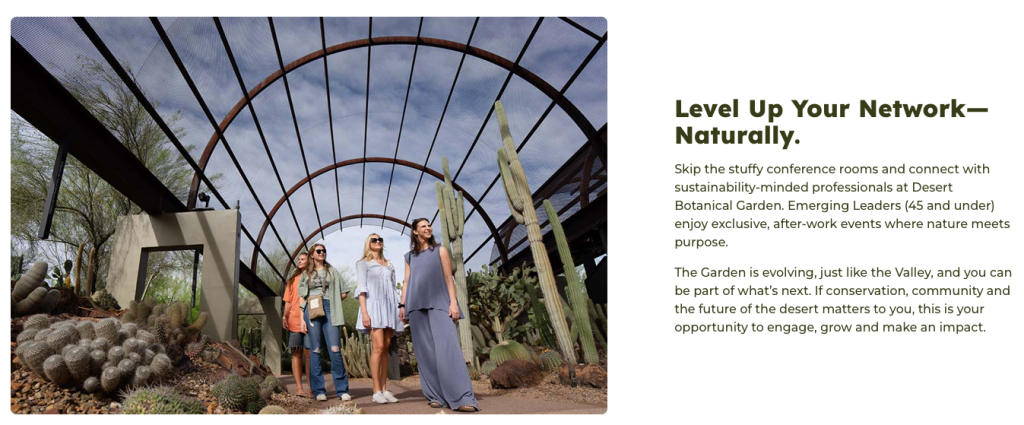
To build future donor pipelines, cultural institutions are evolving young patron societies and affinity groups to be more tailored to young professionals and early-career philanthropists. These programs reframe philanthropy away from abstract institutional endowments toward values-based giving, community-building, and tangible impact. For instance, Desert Botanical Garden’s Emerging Leaders affinity group is positioned as an exclusive, nature-centric alternative to conventional networking and a way to connect with like-minded young professionals who want to make an impact on their community, conservation, and the future of the garden.
7. Leveraging the Science of Emotional Connection to Win Gen Z Loyalty
For cultural organizations to thrive, they must tap into the underlying psychological drivers that inspire younger audiences to visit, join, and support.
The San Diego Museum of Art (SDMA) offers a compelling example of how to translate audience insights into high-impact strategies that build emotional connection with Gen Z. Drawing on insights from a national research study with art museum goers, SDMA is piloting a program powered by advanced modeling and predictive analytics to target the precise motivators with the highest predictive power to drive repeat visits and membership uptake.
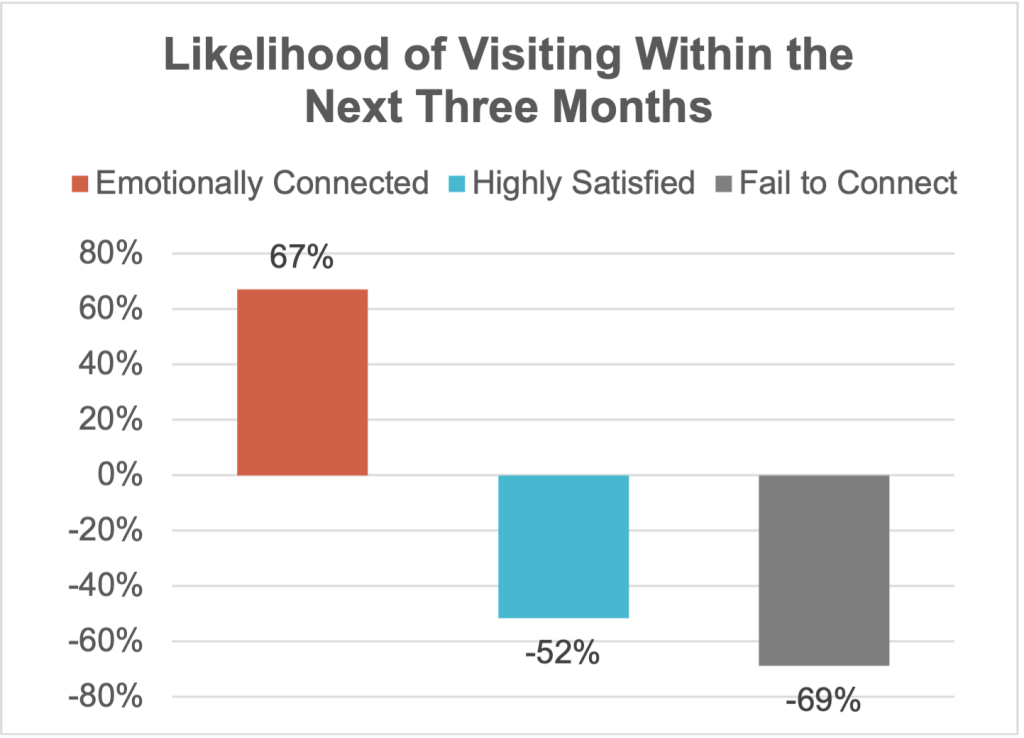
Findings from the study reveal something remarkable: when Gen Z visitors are emotionally connected, there are massive relative spikes in intent to purchase a membership (more than 87 percent above the average) and intent to visit in the next three months (over 67 percent above the average).
Most notably, the research identified several Predictive Motivations® that foster emotional connection with Gen Z, including:
- Inclusion Is a Loyalty Engine: When Gen Z feels their art museum is genuinely welcoming to everyone, visit frequency increases.
- Real-World Connection Matters: Despite being digitally hyper-connected, Gen Z reports high levels of real-world isolation. They actively seek affordable, engaging ways to reconnect in person. Framing membership around shared, real-life experiences significantly boosts desires to become a member.
- Social Acceptance Is Paramount: Driven by a desire for peer validation, Gen Z relies on art museum visits to deepen social connections while signal-boosting their intellectual, cultural, and creative identity.
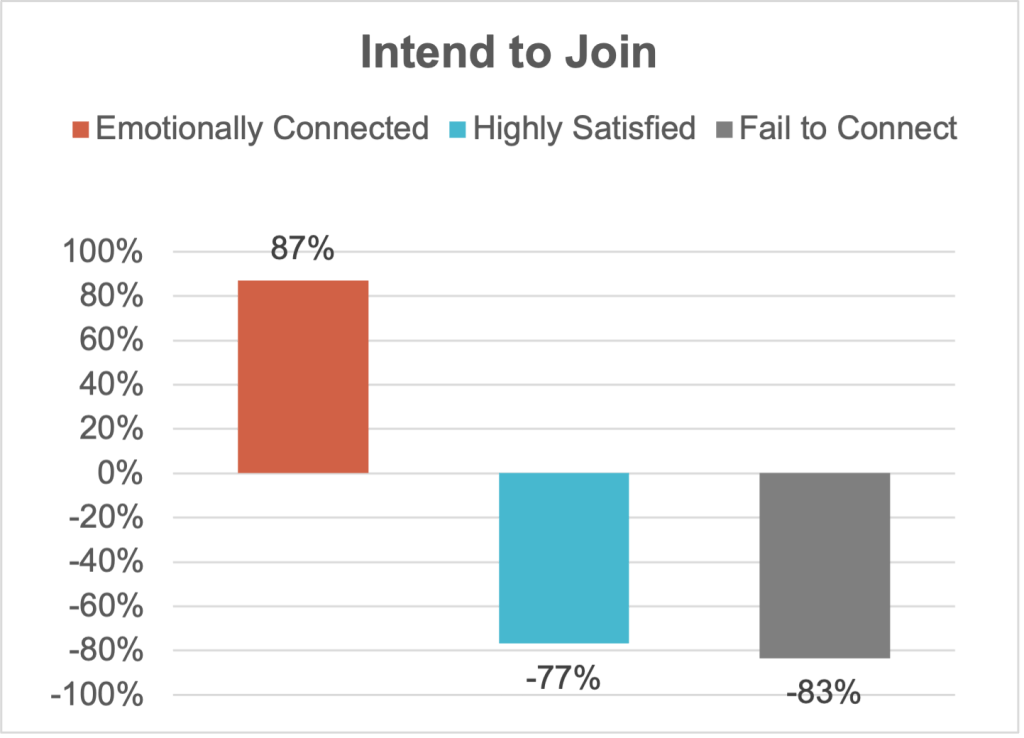
Armed with these predictive insights, SDMA is intentionally crafting messaging, experiences, and membership offerings to deliver on what Gen Z values most: affordable, unique, and inclusive moments that strengthen personal bonds.
Moving Beyond Trends to Structural Change
Attracting Gen Z members requires more than chasing short-lived internet trends; it demands a fundamental evolution in how cultural institutions structure their membership models.
As your organization evaluates its strategy for attracting younger audiences, consider these three foundational questions:
- Is our membership model designed for how Gen Z spends their time and money?
- Are we inviting Gen Z to actively shape our membership benefits, programming, and visitor experiences?
- Does our institution function as a meaningful third place that reflects Gen Z’s social values and fosters emotional connection?
The future of membership isn’t about convincing Gen Z to fit into the traditional museum model; it’s about reimagining our organizations so Gen Z can build a bright future in partnership with us. By grounding strategies in evidence-based data, breaking down friction points, and cultivating experiences that create emotional connection, cultural institutions can ensure they remain essential community hubs for generations to come.

Upcoming Events
-
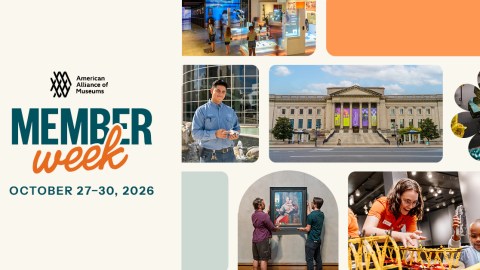
AAM Member Week
Event Date:Presented by: American Alliance of Museums -
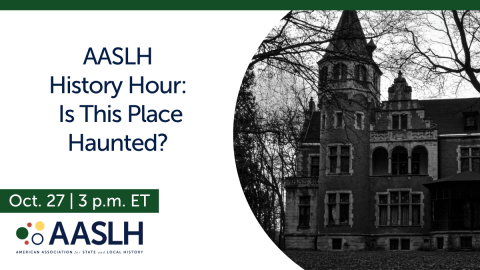
AASLH History Hour: Is This Place Haunted?
Event Date:Presented by: American Association for State and Local History (AASLH) -
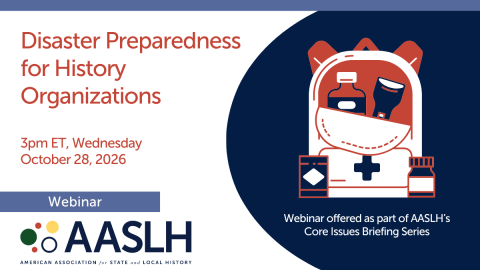
Disaster Preparedness for History Organizations
Event Date:Presented by: American Association for State and Local History (AASLH) -
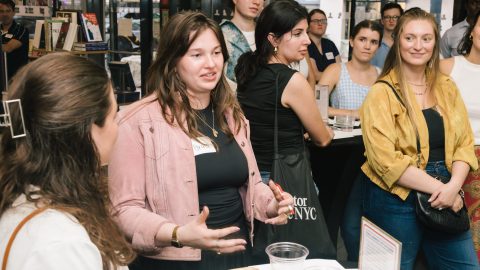
From Informational Interview to Real Connection
Event Date:Presented by: American Alliance of Museums and National Emerging Museum Professionals Network