-
Shop With Purpose: How to Join This Year’s Museum Store Sunday Event
RIDDLE: How many times can a single dollar be spent in one transaction? ANSWER: At least six times if spent in a museum store: It pays for a unique and meaningful item. It buys education about a culture, technique, or museum object. It … -
Why Museum Store Sunday Matters and What’s New for This Year
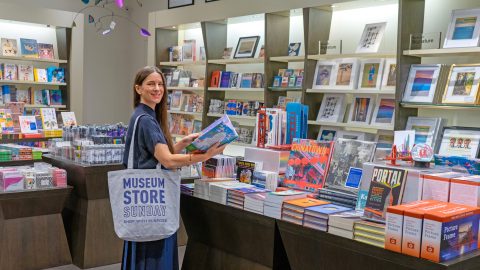
Enter through the museum store! Much more than a gift shop, the museum store has become a major earned revenue stream for parent institutions as they continue to recover post-pandemic. And as museums and other cultural institutions embrace … -
Mission Made: How Museum Stores Are Embracing Sustainability and Inclusivity
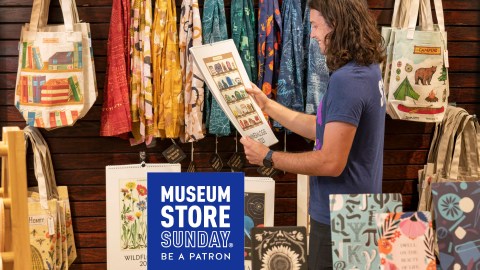
When most people think of museum stores, they likely envision shelves filled with postcards, magnets, and keychains featuring famous artworks or other exhibits. In recent years, however, many have been making an effort through their … -
Museum Store Sunday 2022—Plan, Prepare, & Participate!
Museum Store Sunday is on November 27, the Sunday after Thanksgiving! Is your institution participating? Do not miss this chance to join forces with over 1,900 cultural institutions worldwide to spotlight and support your institution and … -
Why Museum Store Sunday Matters More Than Ever This Year
Museum Store Sunday, the Museum Store Association’s (MSA) signature advocacy initiative, is fast approaching, happening this year on November 29 during the Thanksgiving holiday weekend. While this year’s event will look different due to … -
How Museum Stores Support Their Institutions and the Public
Throughout my thirty years as a museum retail professional, I have often had to explain to others—whether colleagues, friends and family, or complete strangers—how museum stores support their institutions and the public at large. From my …
Tag: Museum Store Association



Upcoming Events
-
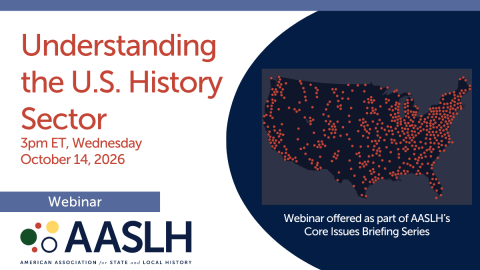
Understanding the U.S. History Sector
Event Date:Presented by: American Association for State and Local History (AASLH) -
-
-
Industry Showcase: Innovative Digital Solutions
Event Date:

Latest Stories from AAM
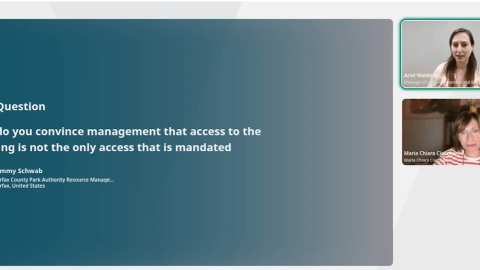
Accessibility by Design: Empowering Staff for Human-Centered Change
Category:
On-Demand Programs
What does it mean to build a truly human-centered museum? This webinar supports staff at …
October Advocacy Alert: Smithsonian Protection Bill, Member Week Advocacy Programming, and more
Category:
Advocacy Alert
Advocacy Alert – October 2, 2026 In this Alliance Advocacy Alert: Smithsonian Protection …
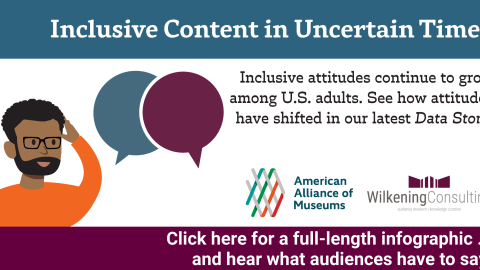
Inclusive Content in Uncertain Times: A 2026 Annual Survey of Museum-Goers Data Story
Category:
Alliance Blog
This visual Data Story is based on findings from the 2026 Annual Survey of Museum-Goers, …