“It’s promising and comforting to know that the very things in our lives that we find so pleasurable, like the arts, also have short- and long-term benefits for health.”
—Daisy Fancourt, author of Art Cure: The Science of How the Arts Save Lives and a featured speaker at the AAM Annual Meeting on May 21.
In recent years, neurobiologists and cognitive scientists have confirmed what arts practitioners have long observed: engagement with the arts is good for our health. This is especially true as we grow older. People over the age of 60 who regularly participate in arts activities report less depression, anxiety, illness, and chronic pain, among the many health benefits scientists have identified.
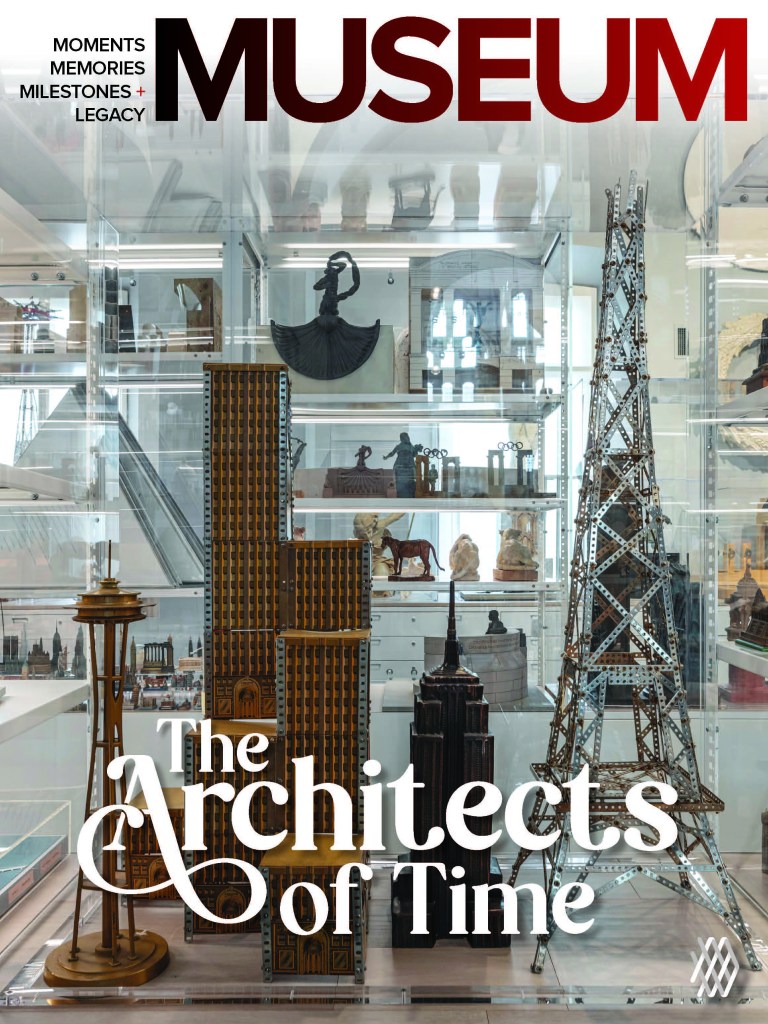
This article originally appeared in the May/June 2026 issue of Museum magazine, a benefit of AAM membership.
» Read Museum.
Yet, ageism—deeply embedded in society—has led to the persistent underestimation of older adults’ creative capacities. And silos between medicine, neuroscience, and the arts have obscured the health benefits of cultural engagement from the broader public. Fortunately, the tide is turning.
Dr. Gene Cohen, a professor of psychiatry at The George Washington University in Washington, DC, coined the term “creative aging” in 2000 to describe programs that employ the arts to support older adults’ emotional and physical wellbeing. Since Cohen’s pioneering work, the global population of people over the age of 60 has grown rapidly. It is projected to nearly double between 2015 and 2050. Older adults now constitute the fastest-growing demographic worldwide.
“We are currently in a watershed moment,” says Brian Kennedy, a longtime museum director who now consults on major arts initiatives. The COVID-19 pandemic laid bare the social isolation, health vulnerabilities, and inequities older adults face—while simultaneously accelerating new scientific research that explains the links between arts participation, cognitive resilience, and wellness. At the same time, the creative aging field is maturing, with new and refined programs led by museum educators, artists, and health-care professionals. Taken together, these developments point to a new phase in the creative aging movement that has great potential for growth.
Annual Meeting Session
Don’t miss the five-session Creative Aging series at the AAM Annual Meeting on Friday, May 22, with generous support from E.A. Michelson Philanthropy! To find the sessions in the AAM 2026 program, search “creative aging.”
Health Benefits of the Arts
Scientists in the UK are using neuroimaging techniques and analyzing large datasets to study the health benefits of the arts. Researchers admit to being surprised by their findings. At the Courtauld Gallery in London, for example, a 2025 study assessed young adults’ (ages 18 to 40) physiological responses to viewing original artwork in a museum setting. Stress hormones and inflammatory markers linked to diabetes, heart disease, and clinical depression dropped significantly.
There is more good news. People over the age of 50 who regularly engage with art are less likely to experience cognitive decline. “Activities that are cognitively stimulating, novel, and allow for emotional expression help to build resilience in our brains against neurodegeneration,” explains Daisy Fancourt, professor of psychobiology and epidemiology at University College London.
Listening to or playing music have also been linked to cognitive resilience. Catherine Loveday, a neuropsychologist at London’s University of Westminster, explores how music affects the brain. She has found that “music memory is incredibly resilient in aging,” activating the brain’s different regions and allowing for joyful social interactions even when other memories fade.
Additionally, memories associated with a particular song or concert can be antidotes to depression. Music is not only pleasurable in its own right, Loveday says, “but a key element of social bonding, which alleviates loneliness.” Loneliness is a major health risk for older people, as dangerous as smoking and obesity.
“I’ve seen older people who have never picked up an instrument in their lives find social connection and joyfulness” when they play music together, says Carolyn Grant, executive director of the Museum of Making Music in Carlsbad, California. Music classes for older adults are among the museum’s most popular offerings. “And it goes both ways,” Grant observes. “Conductors and coaches delight in working with older students.”
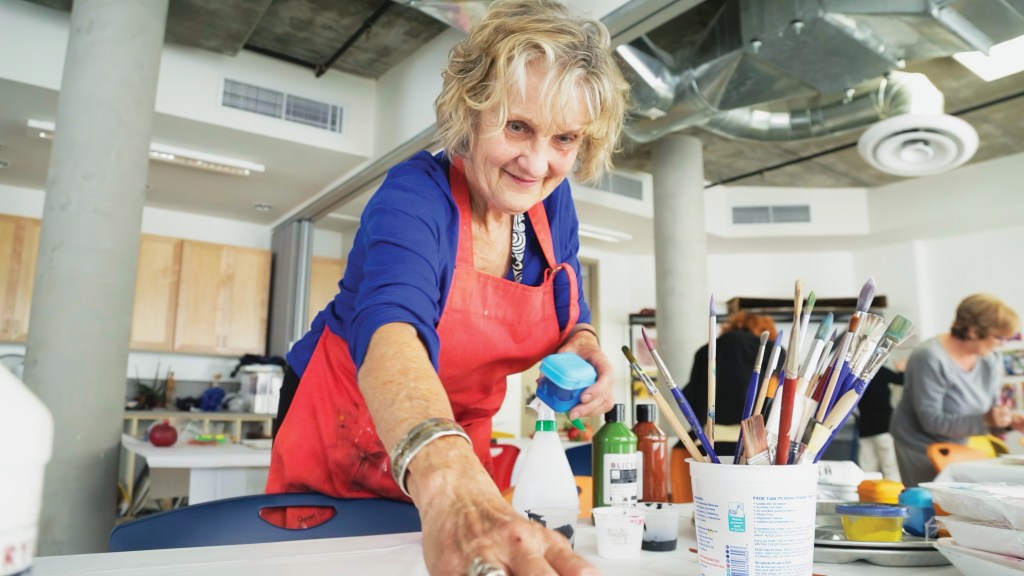
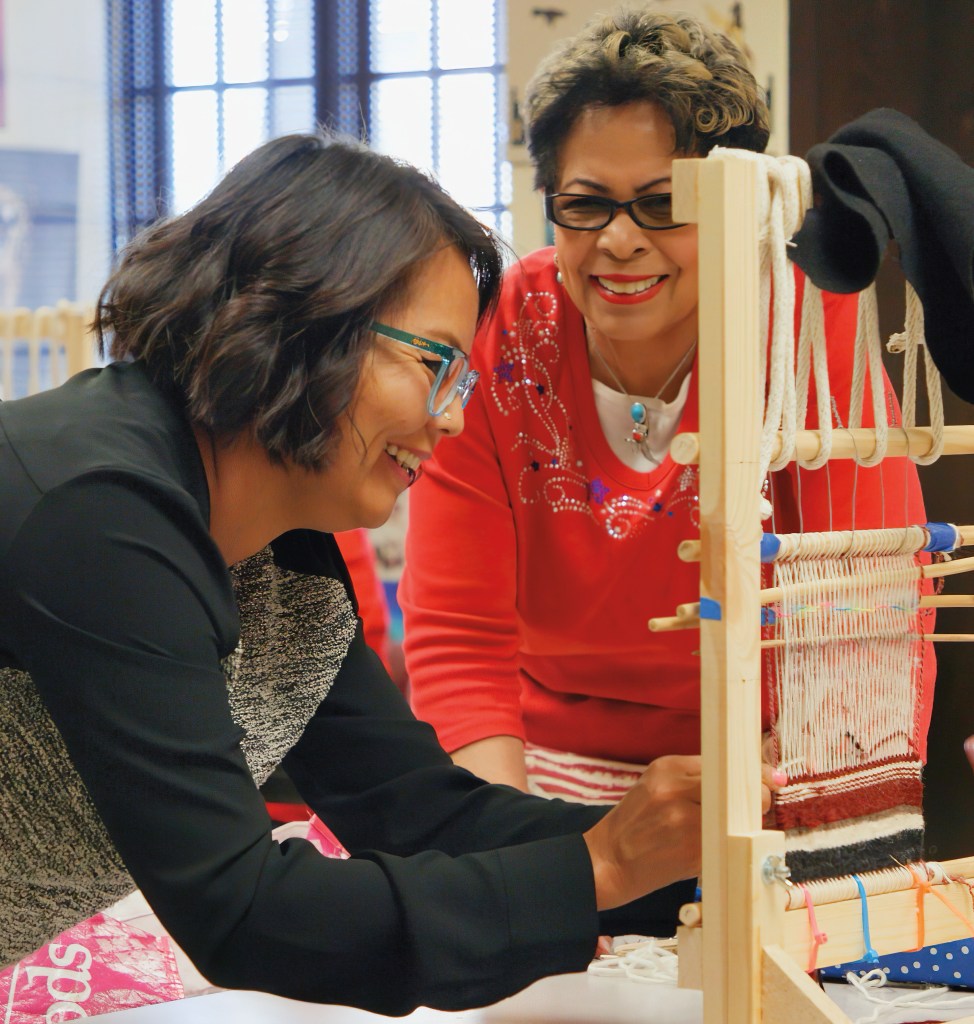
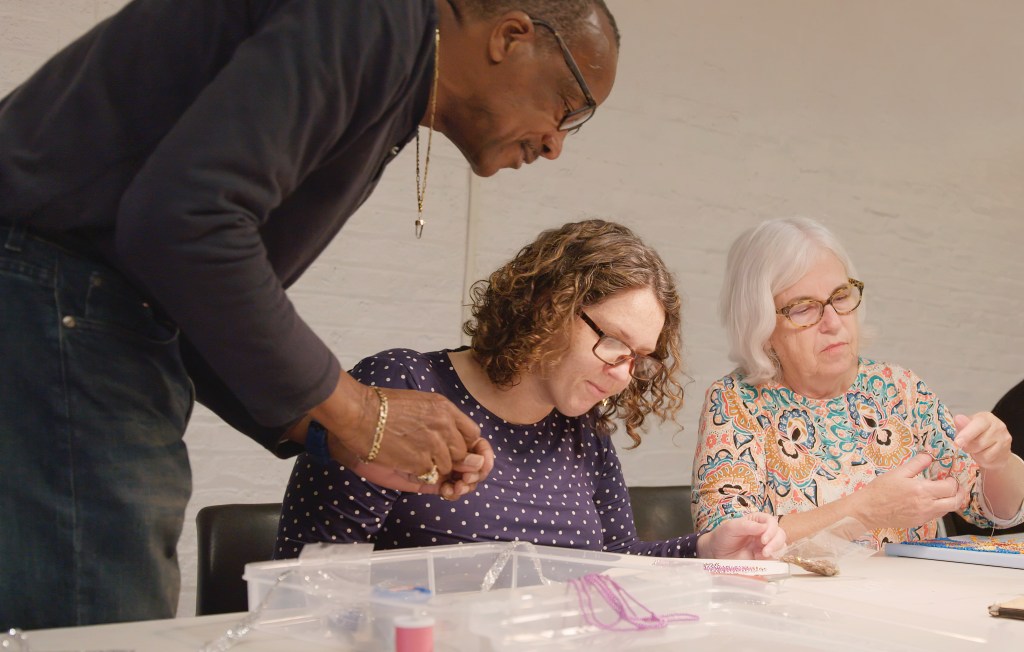
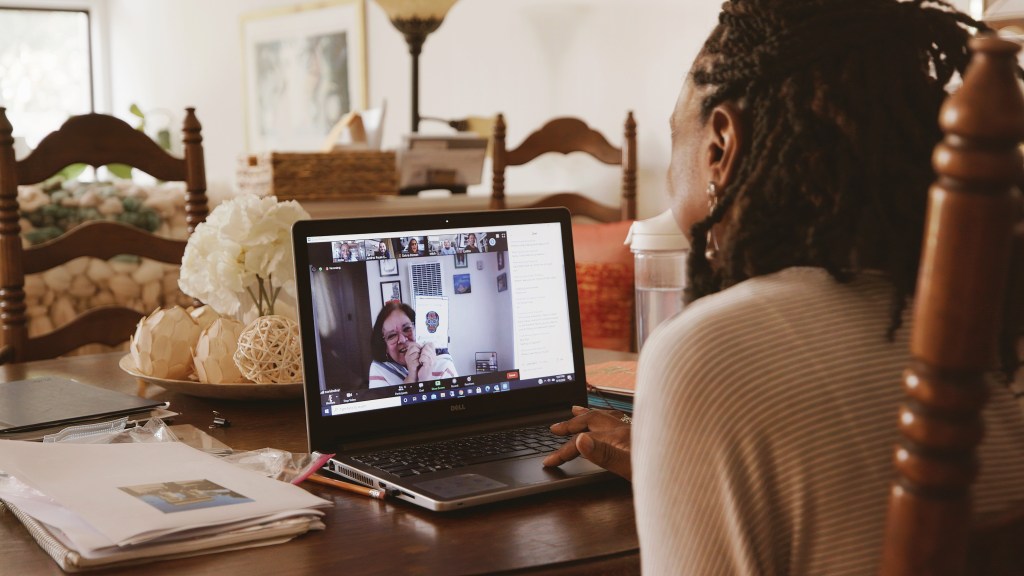
Museums from Los Angeles to New Orleans are engaging older adults in classes on beading, bookmaking, weaving, and more.
Courtesy of E.A. Michelson Philanthropy, photos by Russ Haan
Museums and Creative Aging
Museums are well-positioned to put creative aging into practice. They are trusted public spaces skilled at convening people around shared experiences. Yet, according to the 2025 National Snapshot of US Museums, only 17 percent of museums offer programs focused on wellness. It is unclear how much of that programming targets older adults.
A few organizations—notably the Frye Art Museum in Seattle, Washington—offer specialized artmaking programs for people experiencing dementia. While valuable, these programs represent only a small portion of older adults’ needs and overlook the much larger constituency (approximately 85–90 percent) of older adults who are cognitively healthy and eager for hands-on cultural engagement. In short, older adults are underserved by museums.
That gap was the impetus for the Seeding Vitality Arts in Museums initiative, launched in 2016 by Aroha Philanthropies (now E.A. Michelson Philanthropy) and AAM. It remains the most in-depth field-wide demonstration project in US museums focused on healthy and positive aging. The Minnesota-based foundation is presently working with 25 large and small art museums on such programming, and a total of 42 museums have offered or are currently offering Vitality Arts programs.
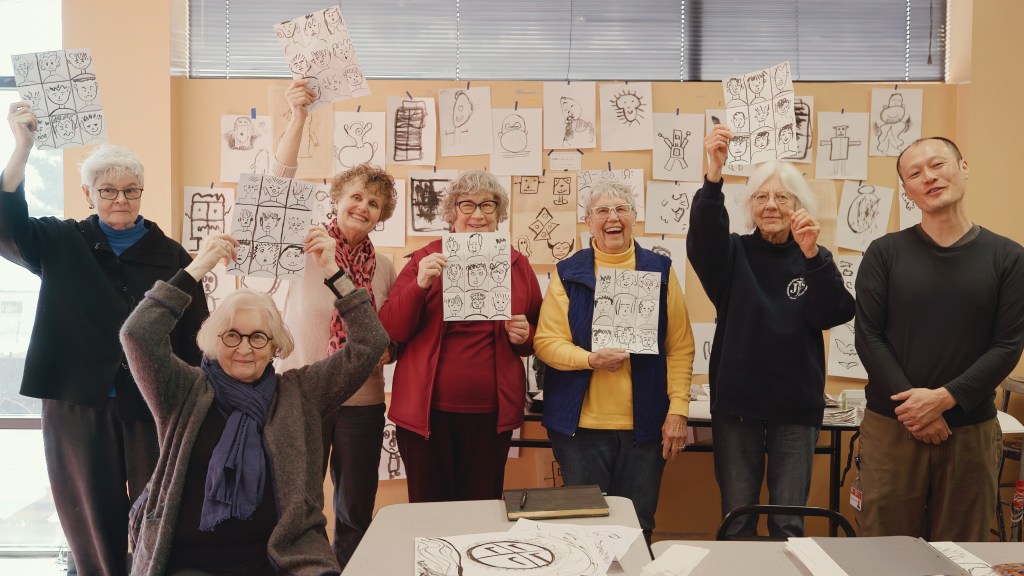
Developed in partnership with Lifetime Arts, a national leader in curriculum design for older adult learners, Vitality Arts emphasizes hands-on, multi-session, sequential classes. The courses prioritize expert instruction and professional-grade materials, and emphasize both art-making and social interaction—conditions that support sustained engagement, mastery, and wellbeing. Classes routinely fill to capacity, often with waiting lists. Student evaluations are overwhelmingly positive.
Courtesy of E.A. Michelson Philanthropy, photo by Russ Haan
Participating museums are evaluating and improving their offerings. They have learned that success depends less on novelty than on consistency and care. Educators report that curriculum does not need to be constantly retooled to align with a museum’s changing exhibition schedule. What matters most is excellent teaching and ample time for conversation and connection.
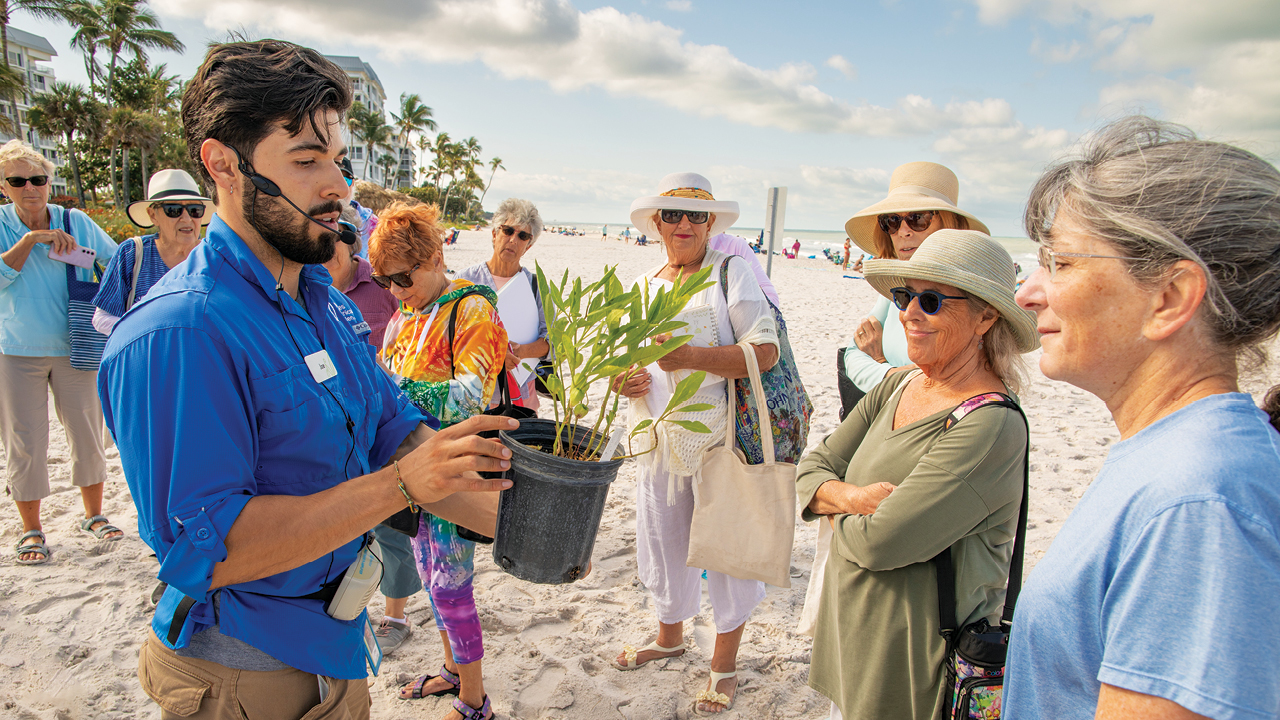
In many cases, social bonds extend beyond the classroom. At the Naples Botanical Garden in Florida, for example, former students still meet regularly at the garden to deepen their nature journaling practice. At Los Angeles County Museum of Art, participants in the institution’s older adult programming hold reunions at other programs and events.
The success of these interactive programs is proof that museums can create conditions in which older adults thrive.
Serving Health Care Practitioners
Museum-based education for health-care professionals represents another fertile intersection between the arts and health with profound benefits for older adults. Around the same time that Seeding Vitality Arts in Museums launched, the Association of American Medical Colleges introduced the Fundamental Role of Arts and Humanities in Medical Education initiative, which supports integrating the arts into medical training. Evidence suggests that museum-based learning fosters clinician wellbeing, strengthens patient-centered care, and encourages more humanism in medical practice.
Over the past decade, museum educators have collaborated with medical schools and teaching hospitals to design arts-based learning experiences. Notable collaborations include those between Dell Medical School at The University of Texas at Austin and the Blanton Museum of Art, and Harvard Medical School and the Isabella Stewart Gardner Museum.
At the core of these programs are structured encounters with art that cultivate close observation, reflection, and empathy—which are all essential to good patient care. In medicine, a cursory assessment can be misleading, while careful attention often assures better outcomes. Techniques such as visual-thinking strategies and personal response tours encourage learners to slow down, notice nuance, and listen carefully to others’ perspectives.
The collaborations also address health-care providers’ wellbeing. Museums offer a psychologically safe space for reflection and stress relief—increasingly important for a profession marked by high rates of burnout. For museum educators, this work underscores a broader truth: cultural institutions are not peripheral to health systems. They can be active partners in shaping healthier communities.
Directions for the Future
The creative aging movement has reached an inflection point. The research is compelling, the demographic urgency undeniable, and the practice increasingly refined. What was once dismissed through the lens of ageism is now understood as a powerful contributor to the wellbeing of older adults—and thus society.
At the same time, artists and cultural organizations have developed promising models of intergenerational co-creation that further challenge narrow assumptions about aging, creativity, and healthy communities. Intergenerational dance companies and programs like the LGBTQ+ Intergenerational Dialogue Project offer valuable models for museums as they continue to create productive connections between younger and older adults.
Museums, after all, have always existed to bridge generations. They collect, preserve, and interpret objects because they believe ideas and stories matter across time. Yet the field is often slow to embrace new audiences and strategies. In the 19th century, most American museums banned children from galleries; it took decades to normalize school field trips and
family friendly spaces. Today, the evidence linking cultural participation to healthy aging is equally compelling—and the opportunity is clear.
Museums can’t prevent life’s hardships, as Brenda Cowan and Kiersten F. Latham write in Flourishing in Museums, “but they can change your outlook on how to be in the world in ways that enhance mental and physical health, as well as our relationships with others.” With intention and purpose, museums can help shape later life as a period of wellness, joy, and continued growth.
Resources
Vitality Arts eamichelsonphilanthropy.org/vitality-arts/
Denver Art Museum, Art Museums & Healthy Aging: A Creative Aging Tool Kit, 2023
Daisy Fancourt, Art Cure: The Science of How the Arts Save Lives, 2026
Kiersten F. Latham and Brenda Cowan (eds.), Flourishing in Museums: Towards a Positive Museology, 2024
LGBTQ+ Intergenerational Dialogue Project
generationliberation.com
Becca Levy, Breaking the Age Code: How Your Beliefs About Aging Determine How Long and Well You Live, 2022
Susan Magsamen and Ivy Ross, Your Brain on Art: How the Arts Transform Us, 2023
Marjorie Schwarzer, Museums and Creative Aging: A Healthful Partnership, 2021
aam-us.org/programs/museums-creative-aging
Ruth Slavin, Ray Williams, and Corinne Zimmermann, Activating the Art Museum: Designing Experiences for the Health Professions, 2023
Marjorie Schwarzer is the author of several AAM publications, including Museums and Creative Aging: A Healthful Partnership and Riches, Rivals and Radicals: 100 Years of Museums in the US. She is a retired professor of museum studies (University of San Francisco) and lives in Oakland, California.

Upcoming Events
-
AAM Member Week
Event Date:Presented by: American Alliance of Museums -
AASLH History Hour: Is This Place Haunted?
Event Date:Presented by: American Association for State and Local History (AASLH) -
Disaster Preparedness for History Organizations
Event Date:Presented by: American Association for State and Local History (AASLH) -
From Informational Interview to Real Connection
Event Date:Presented by: American Alliance of Museums and National Emerging Museum Professionals Network