Museums around the world are entrusted with preserving the past, not just for today’s patrons, but for generations to come. As collections grow through acquisitions, donations, research, and repatriation, many institutions face the same pressing question: How do we prepare our storage spaces for the future when growth is inevitable, but resources are limited?
Forward‑looking collections storage planning is about more than solving space constraints. It’s about protecting collections, supporting staff workflows, managing risk, and aligning physical infrastructure with an institution’s long‑term mission. Future‑proofing storage spaces is no longer optional for museums; it’s essential.
No matter the size of the museums or the shapes and types of collections, here are five proven strategies that help institutions prepare for growth while making the most of the space they have today.
1. Use Modular, Configurable Storage That Can Adapt
Museum collections are anything but static. As materials, formats, and conservation needs evolve, storage equipment must be able to evolve as well. Modular storage systems with reconfigurable interiors, like the solution utilized in the Benzie Area Historical Society’s archive room, allow museums to adjust drawers, shelves, trays, and hanging components without replacing entire systems.

Configurable storage supports better preservation outcomes, improves accessibility for staff, and allows museums to respond to changing collection profiles over time. Rather than locking institutions into fixed layouts, modular systems support thoughtful, phased growth. This approach aligns well with long‑term stewardship goals.
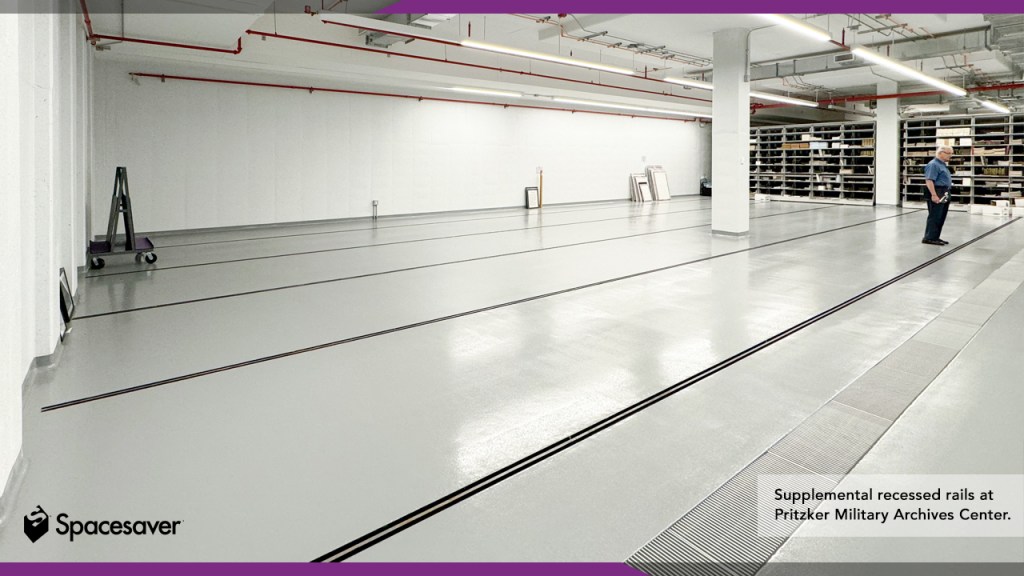
2. Install Extra Rails to Enable Future Expansion
One of the simplest and most cost‑effective ways to prepare for growth is to think ahead during construction or renovation. By installing additional in‑floor rails for high-density mobile storage systems, Pritzker Military Archives Center demonstrated how this strategy allows museums to add carriages, shelving, or cabinets later, without disrupting operations or flooring.
By taking this proactive step and installing rail infrastructure before it’s needed, staff can increase capacity with minimal downtime and lower overall costs when collections expand years later. This approach offers flexibility while protecting capital investments, which is an important consideration for institutions balancing long‑range planning with budget realities.
3. Plan to Go Vertical
Floor space is often at a premium, especially in historic buildings or urban campuses, like the Columbia River Maritime Museum. One frequently overlooked opportunity is vertical expansion. Planning for taller storage systems in the future, even if current budgets or ceiling heights don’t allow full implementation, can dramatically increase long‑term capacity.
Some museums initially design high‑density mobile systems at modest heights, with the structural capability to add taller shelving later. Others plan for future high‑bay storage in off‑site or warehouse facilities. In both cases, early planning ensures collections storage can grow upward instead of outward, preserving valuable square footage for staff work areas and public programs.
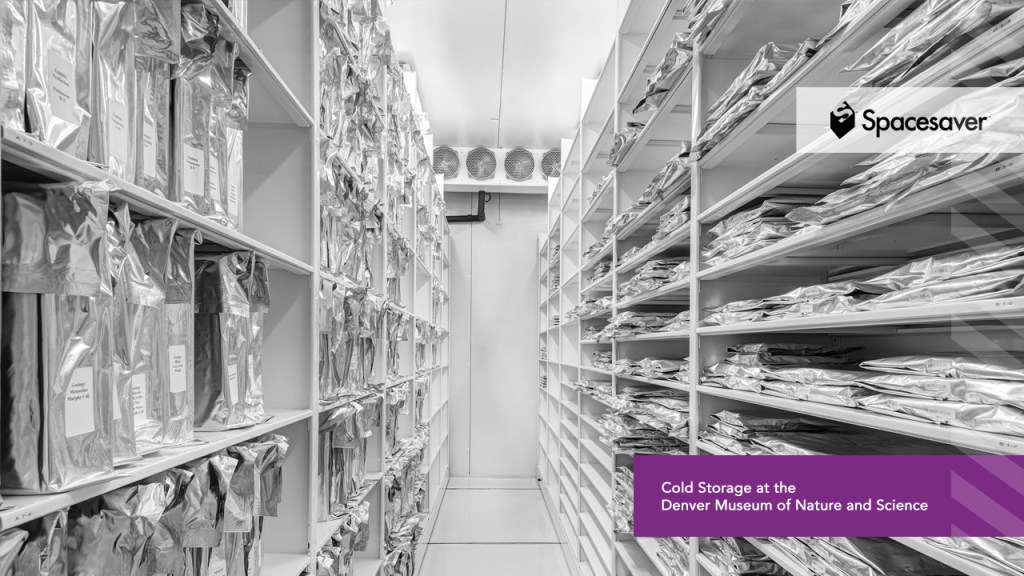
4. Build Extra Capacity into Cold Storage
Cold storage plays a critical role in preserving sensitive materials such as film, photography, textiles, and organic specimens. However, expanding cold storage after the fact can be costly and disruptive.
Planning for additional cold storage capacity can protect collections and reduce future operational challenges. By designing rooms, mechanical systems, and layouts with growth in mind, the Denver Museum of Nature and Science is a great example of how museums can accommodate future acquisitions without compromising environmental control or long‑term preservation standards.
5. Conduct a Comprehensive Space Assessment
Future‑proofing begins with a clear understanding of current conditions. A comprehensive space and collections assessment helps museums evaluate growth rates, storage inefficiencies, environmental risks, and workflow challenges before problems escalate.
Space assessments often uncover opportunities to repurpose underutilized areas, consolidate fragmented storage, or improve staff access and safety. When paired with strategic planning, assessments allow institutions to prioritize investments and align storage solutions with broader institutional goals.
Planning for Growth Is Planning for Stewardship
Across the global museum field, institutions are being asked to do more with less – expand access, preserve collections, and demonstrate sustainability, all while navigating financial and operational constraints. Future‑focused collections storage planning supports these goals by creating flexible, resilient environments that adapt as museums evolve.
By choosing modular storage systems, installing extra rails, planning for vertical expansion, building cold storage capacity, and conducting space assessments, museums can take meaningful steps today that protect collections far into the future.
Museums considering major upgrades or expansions can benefit from working with experienced planning partners early in the process. Contact Spacesaver’s storage experts for practical insights into aligning collections care with long‑term facility planning because, by committing to excellence, stewardship, and public trust, future‑proofing storage is not just about space; it’s about safeguarding history.

Upcoming Events
-
AAM Member Week
Event Date:Presented by: American Alliance of Museums -
AASLH History Hour: Is This Place Haunted?
Event Date:Presented by: American Association for State and Local History (AASLH) -
Disaster Preparedness for History Organizations
Event Date:Presented by: American Association for State and Local History (AASLH) -
From Informational Interview to Real Connection
Event Date:Presented by: American Alliance of Museums and National Emerging Museum Professionals Network