Spend enough time with arts marketers and cultural leadership teams, and you’ll hear the same question again and again: Is social media still worth it? Whether it’s fluctuating organic reach, ever-changing algorithms, or the understandable unease some feel about the role of social platforms and their tech owners in society, some are wondering whether the effort still makes sense.
This article originally appeared in the July/August 2026 issue of Museum magazine, a benefit of AAM membership.
» Read Museum.
But I think the question is misplaced.
Social media isn’t a nice-to-have for museums; it’s a must. Why? Because it offers institutions an unprecedented opportunity to connect with audiences, build cultural relevance, and develop new revenue streams that were unimaginable two years ago, let alone 10. Despite the headlines claiming social media is dying, the estimated 5.6 billion global users suggest otherwise.
However, social media is evolving. The question then isn’t whether social media is worth it—it’s whether museums are approaching it with the right mindset.
The Cultural Opportunity in Front of Us
We are living through a moment where audiences are overwhelmed with information but often starved of context. Social media has become one of the primary places where culture is created, interpreted, debated, and shared. It shapes how people encounter history, identity, and ideas.
Yet museums—some of the institutions best equipped to contribute to those conversations—are still treating social media primarily as a promotional tool for announcing exhibitions, highlighting objects from collections, or sharing program information. There’s nothing inherently wrong with that, but it barely scratches the surface of what these platforms allow cultural organizations to do.
As the social media expert and entrepreneur Gary Vaynerchuk recently shared in an Instagram post, social media doesn’t exist anymore. It’s now interest media. In other words, the platforms are no longer distributing content based on followers; they are sharing it based on what people care about. This means that if you create content that provides value and taps into genuine audience interest, it can reach people whether you have five followers or 500,000.
Herein lies the opportunity for museums. If we apply this mindset to our strategies, social media is far more than a marketing channel; it is a platform for cultural leadership. Museums could become some of the world’s most trusted influencers—not by chasing trends, but by offering perspective, insight, and curiosity in a digital environment that often lacks all three.
When Museums Think Like Creators
Social platforms reward creators who think intentionally about their voice, mission, and audience. The Tank Museum in the UK offers one of the clearest examples of what’s possible when museums think like creators. Rather than focusing solely on promoting on-site experiences, the museum built a thriving YouTube presence centered on informative, engaging videos about tanks and military history, which consistently deliver more than 100,000 views. Tank Chats, where museum staff offer deep dives into particular tank models, are generally the most viewed videos.
The museum now reaches a global audience through its YouTube channel, which has generated an estimated $2 million–$2.8 million in revenue from advertising, brand partnerships, and links to its Patreon channel. This success reflects a museum that understands the appeal of its subject matter, respects its online audience, and consistently creates content for them tailored to the platform.
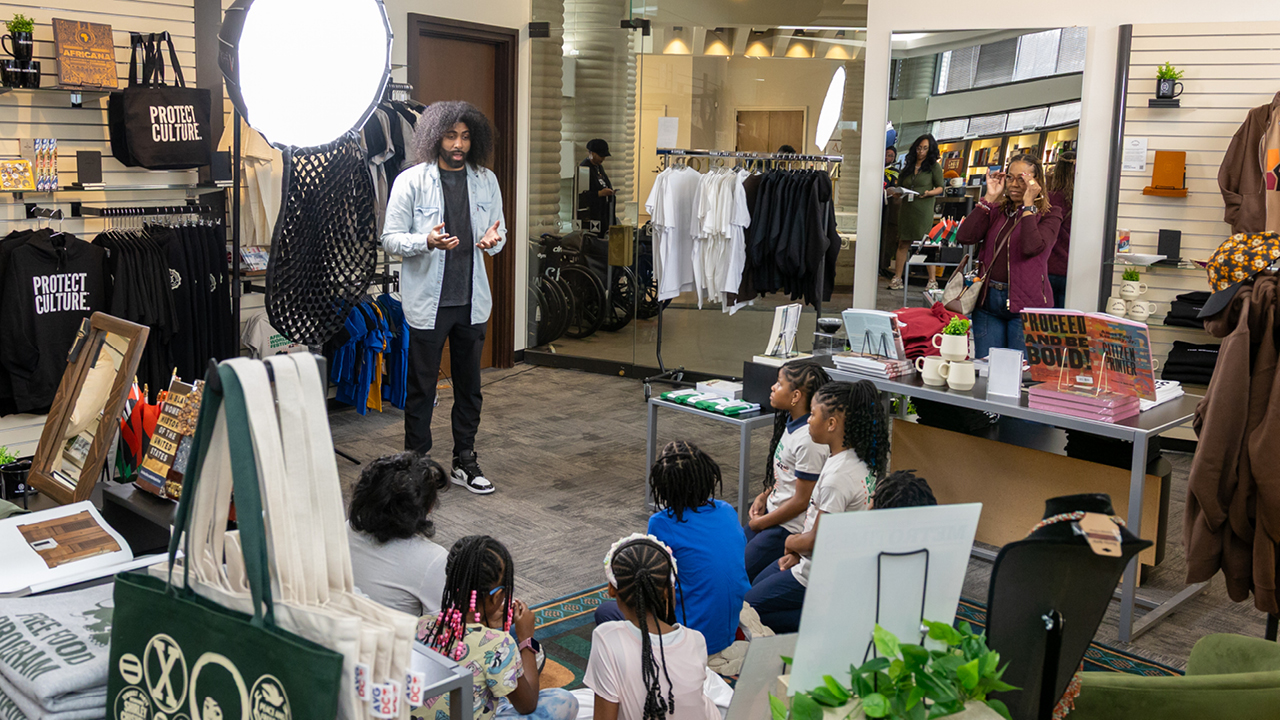
The Charles H. Wright Museum of African American History in Detroit offers another example. Its social media team recently experimented with a short-form comedy series starring staff and styled like a mockumentary—something closer to the TV sitcom Abbott Elementary than traditional museum marketing.

The result was culturally fluent, funny, and deeply rooted in the museum’s mission. In just a few days, the content generated millions of organic views, comments, and reposts, along with a huge wave of community engagement. Just as importantly, the museum demonstrated how social media content can naturally incorporate things like event programming and store merchandise without feeling forced or overly promotional.
Another social media success story is the Sacramento History Museum’s letterpress printing videos, which have grown the museum’s social media profiles to more than 7 million followers across TikTok, Instagram, and YouTube. The simple demonstrations of a historic printing press in the museum’s print shop exhibit have created a global audience fascinated by the craft and drawn to the sensory experience known as ASMR.
When institutions embrace creativity and current practices, social media becomes a space where mission and culture can meet in genuinely engaging ways. These examples also demonstrate that online success doesn’t necessarily require complex strategies or massive production budgets. More often, it comes from understanding the audience, leaning into what makes your subject interesting, and consistently creating content that serves that curiosity.
Tips for Social Media Success:
DO
- Think like a creator.
- Create culturally fluent content that adds value to your audience.
- Lean into the stories that make your institution unique.
DON’T
- Use your platforms solely for marketing exhibitions and events.
- Chase trends without thinking about your strategy, voice, and audience.
- Treat your online and in-person audiences as identical.
Why Engaged Audiences Matter
Building an engaged online audience doesn’t just increase a museum’s visibility; it has real implications for long-term sustainability. For one, it helps demonstrate impact: funders, partners, and stakeholders increasingly want to understand how museums are reaching audiences and contributing to public conversations. A strong digital presence provides evidence that an institution’s work is resonating beyond exhibitions while offering a window into the institution’s culture and voice, and the people behind it.
Engaged digital audiences also open the door to new revenue opportunities. The 2020 Global Trends in Giving Report sponsored by the fundraising platform Funraise found that 92 percent of donors worldwide believe that nonprofit organizations must invest financial resources in digital communications to stay relevant. And when audiences feel connected to an institution’s storytelling and mission, they are often more willing to support it financially, particularly in moments of need. This proved true for the UK’s Vagina Museum, which risked closure in 2023 and again in 2025. It turned to its online community and successfully raised hundreds of thousands of pounds to secure its future.
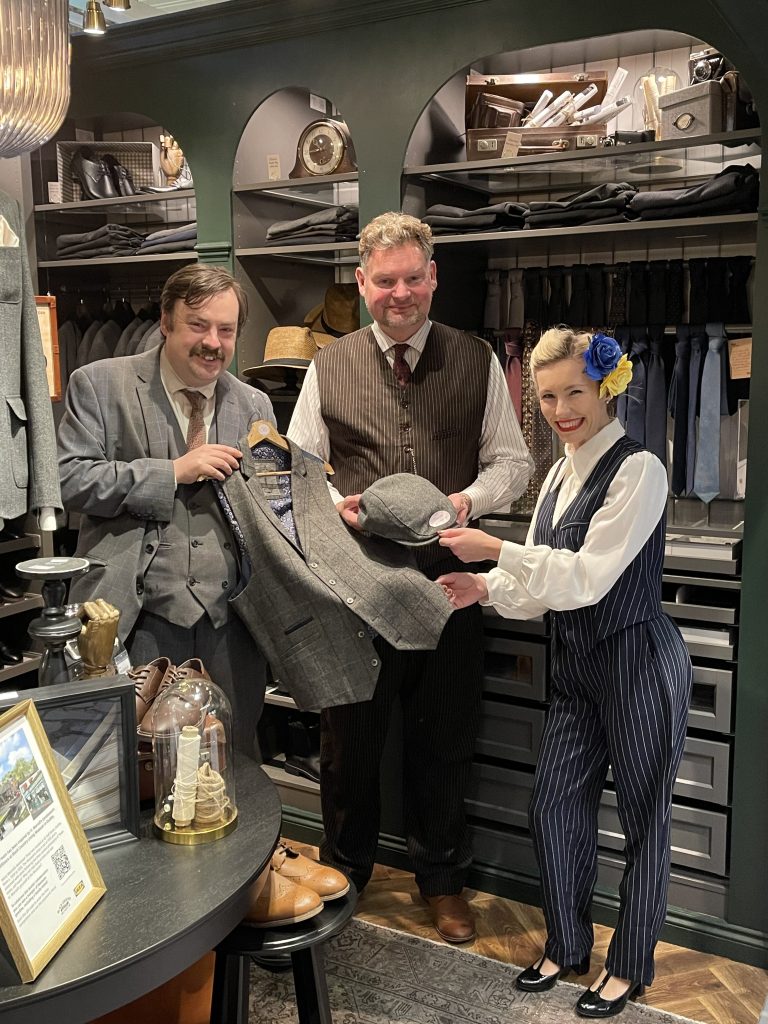
A museum with an engaged digital presence is no longer just a physical venue; it’s a cultural platform with influence. Brands and collaborators are increasingly drawn to organizations that have authentic, engaged audiences. After the UK’s Black Country Living Museum featured its exhibit of a re-created 1930s British high street shop on its TikTok channel, representatives from the furniture giant IKEA visited the museum and decided to create a section of its Birmingham store in that style. The partnership showcased how cultural institutions with strong digital audiences can attract creative brand collaborations.
Museums have never been in such an opportune algorithmic position: they hold knowledge, credibility, and cultural authority at a time when many people are searching for trustworthy voices online. They have stories to tell, context to share, and perspectives that can help audiences understand both the past and the present. In an information ecosystem crowded with opinion but often short on expertise, museums possess something increasingly rare: trusted knowledge.
To unlock that potential, museums will need to do more than simply post more content. They will need to think strategically about audiences, be brave, and become more creative in their storytelling. Most importantly, they must treat social media not as an auxiliary marketing tool but as a core platform for cultural interpretation and dialogue. They will need to engage with culture as it exists today, not just as it existed yesterday.
Social media is still absolutely worth it for museums—but only if we approach it as an opportunity to participate in the cultural conversation rather than as a promotional obligation. If we do that well, museums won’t just keep up with the digital world, they might help lead it.
Resources
MuseumNext, “From Fandom to Funds: How the Tank Museum is Transforming Museum Fundraising,” Dec. 1, 2024
Sacramento History Museum YouTube: youtube.com/c/SacramentoHistoryMuseum
The Charles H. Wright Museum Instagram: @TheWrightMuseum
Black Country Living Museum: bclm.com/our-museum/blog/ikea-collaboration-celebrates-heritage-through-design/
Haydn Corrodus is Senior Manager, Social Media and Paid Ads, at the American Alliance of Museums.
Upcoming Events
-
AASLH-NCPH Joint Conference
Event Date:Presented by: American Association for State and Local History (AASLH)Providence, RI -
Transit Insurance in Practice for Traveling & Co‑Organized Exhibitions
Event Date:Presented by: American Alliance of Museums -
Digital Collections Summit
Event Date:Presented by: MuseumNext -
The Federal Grant Landscape: What Museums Need to Know
Event Date:Presented by: Ohio Museums Association