Cocktails & Culture, an after-hours, adult event series at the Witte Museum, reached its peak in 2018. A regional natural history museum serving 350,000 visitors annually, the Witte had just completed a yearslong $120 million transformation that brought to life the wonders of Texas Deep Time—an interpretive lens that explores time vertically so that visitors discover hundreds, thousands, and millions of years of history through layers of location-based evidence. Event participants danced beneath a soaring Quetzalcoatlus, sampled whiskey among immersive Texas landscapes, and took cowboy selfies on barrel-back saddles.
This article originally appeared in the July/August 2026 issue of Museum magazine, a benefit of AAM membership.
» Read Museum.
Every other month since 2010, Cocktails & Culture welcomed San Antonio’s young adults behind the scenes in a unique, party-driven experience. The series generated revenue, attracted new audiences, and delivered curatorial content in an unexpected context. With the addition of a 10,000-square-foot events center in 2016, the museum also gained new opportunities for earned revenue and community engagement. Within this broader landscape, Cocktails & Culture became a legacy program—continuing year after year, even as attendance declined and staff attention shifted toward higher-priority initiatives.
In 2025, as the Witte approached the end of its first century, museum leaders instituted a purposeful pause to set priorities and plan next steps for a milestone year. This moment of transition created an opportunity to take a fresh look at adult programming as a broader institutional strategy.
Rather than reviving Cocktails & Culture as it had been, the Witte assembled an Adult Program Committee, open to any interested staff, to reimagine the series from the ground up—focusing on audience, purpose, and long-term impact. Through collaborative planning and low-stakes prototyping, the team developed a strategic framework, relaunching Cocktails & Culture as a flexible, intentionally crafted series.
Recognizing a Shared Audience
In the lead-up to the Witte’s 100th anniversary, the museum was still emerging from post-COVID uncertainty and nearing the end of a strategic plan. During this period, planning for the future was focused largely on immediate needs and sustainability rather than the long-term programmatic vision.
At the same time, a pause to reflect on plans for the 100th anniversary created space for reflection. Staff at all levels were invited to contribute new ideas and perspectives. Within this environment, the team began to reconsider Cocktails & Culture, asking foundational questions: How do we revitalize this series? And who is responsible for it? Cocktails & Culture was managed by the Event Rentals team on top of an increasingly significant and successful facility rental program. Did that still make sense?
Those questions prompted many others. Adult visitors were already engaging with the museum through events, programs, and membership, but staff at the managerial level did not have a shared view of how each of those touchpoints connected over time. While the Witte has long emphasized a collaborative, team-based approach, this moment created an opportunity to apply that model more mindfully to audience development.
The Adult Programs Committee came together to map how adults were interacting with the museum, with staff from all areas of the organization offering their ideas and perspectives. Instead of focusing on a single program, the conversation shifted toward aligning internal efforts around a shared audience—designing experiences that are thoughtful, connected, and built for long-term engagement.
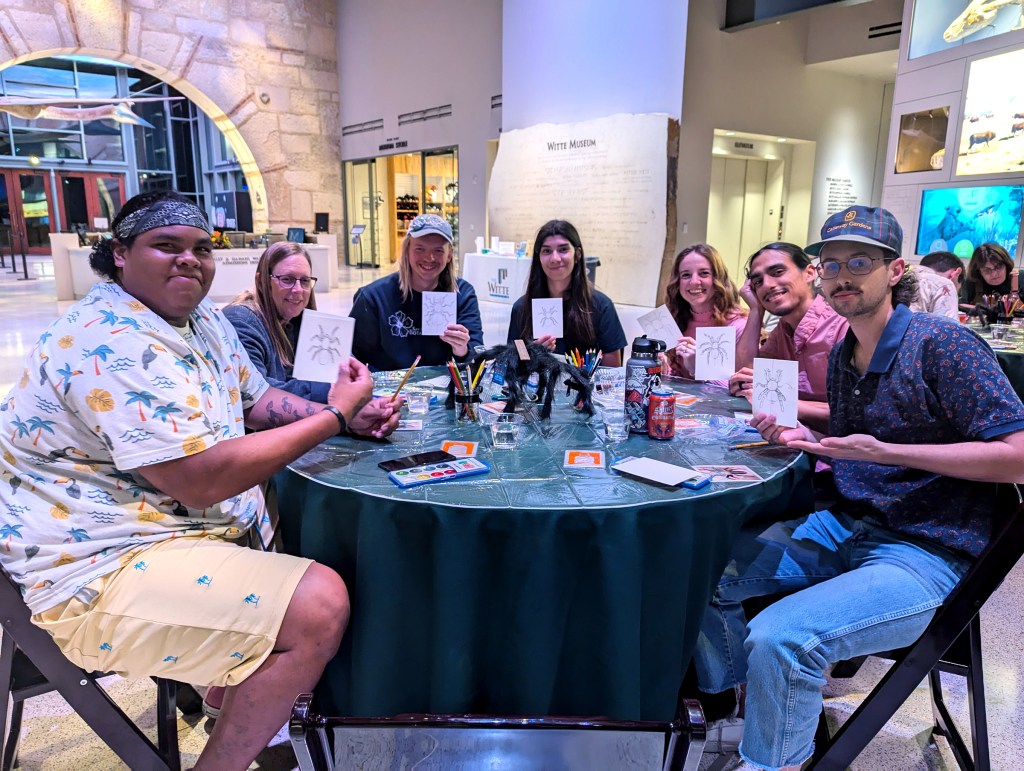
New team members brought fresh ideas to this work. Public Programs, historically focused on a robust school field trip program, began to explore opportunities for adult engagement. One early effort, Witte Watercolors, emerged as a low-risk prototype that could test ideas about expanded adult programming. Its success, coupled with marketing insights about audience segmentation, laid a strategic foundation for offering a range of experiences designed for distinct segments of the adult visitor population.
The team approach to planning this revitalized programming also meant that project management would be distributed across Public Programs, Visitor Experience, and Membership. Event Rentals would offer its expertise in vendors and logistics. Retaining the recognizability of the Cocktails & Culture name, the brand was redesigned and the offerings reworked. Four distinct program types are now offered throughout the year, with a goal of one event per month and shared project management:
- Witte Watercolors is an intimate, small-group experience (approximately 35 participants) that combines expert-led gallery exploration with a hands-on workshop led by a local artist. It attracts adults seeking a slower, contemplative night out centered on creativity, learning, and conversation.
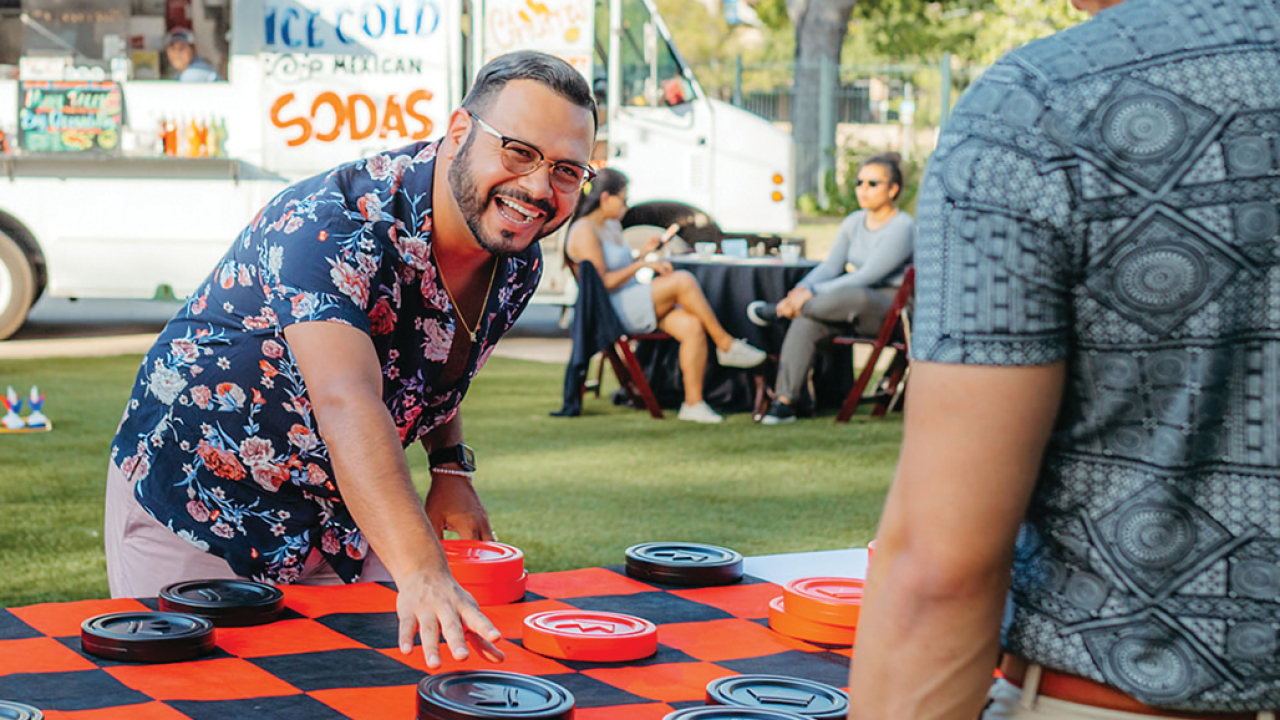
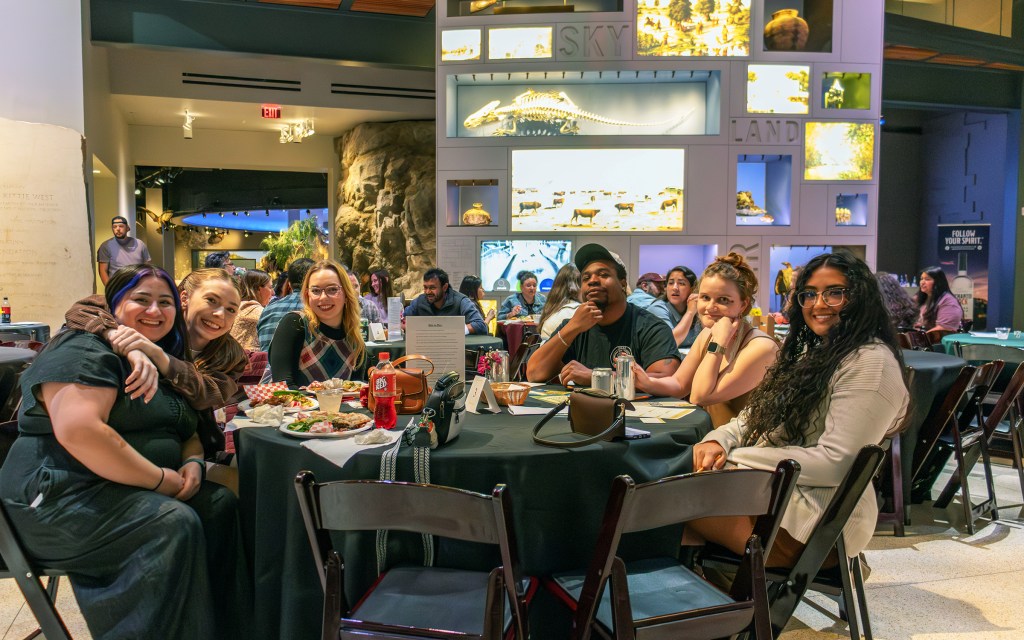
- Gallery Geeks is a high-energy, large-group experience (up to 150 participants) built around after-hours exploration and team-based challenges. It draws groups of friends, coworkers, and young professionals looking for a social, competitive night out that offers discovery in a lively atmosphere.
- The Night Market is an open-capacity evening experience that transforms the museum’s gardens into a vibrant social space. It appeals to culturally engaged visitors seeking a night out with live music, local vendors, and community connection.
- Wonder with the Witte is a midsized, talk-based experience (80–100 participants) featuring museum experts sharing specialized knowledge in an informal setting. It attracts intellectually curious adults seeking depth, insight, and opportunities to engage more meaningfully with museum content.
Integrating Marketing in Program Development
With clearly defined audiences and program formats in place, marketing shifted from broad promotion to targeted engagement. Rather than just promoting events after they were developed, marketing joined the planning process from the outset. Each program began with a clear understanding of its intended audience, shaping not only messaging but also the format, timing, and channels used to reach participants.
This early alignment also allowed the team to map the full series across the calendar, giving marketing visibility into the year ahead. With that longer view, campaigns could be coordinated more strategically. Marketing aligned messaging across channels and planned media buys holistically, which allowed smaller initiatives to benefit from the scale and purchasing power of larger investments, such as those supporting special exhibitions. While some of these efforts reflect the Witte’s staff size and annual budget, the underlying approach—planning early, aligning messaging, and coordinating outreach—can be adapted to institutions of any scale.
This approach changed how each experience was shared with the public. Smaller, creative programs emphasized participation and hands-on engagement, with outreach to community spaces and local businesses and targeted social media. Larger, high-energy events leaned into group participation and social connection, supported by digital campaigns and peer-driven momentum that encouraged groups to attend together.
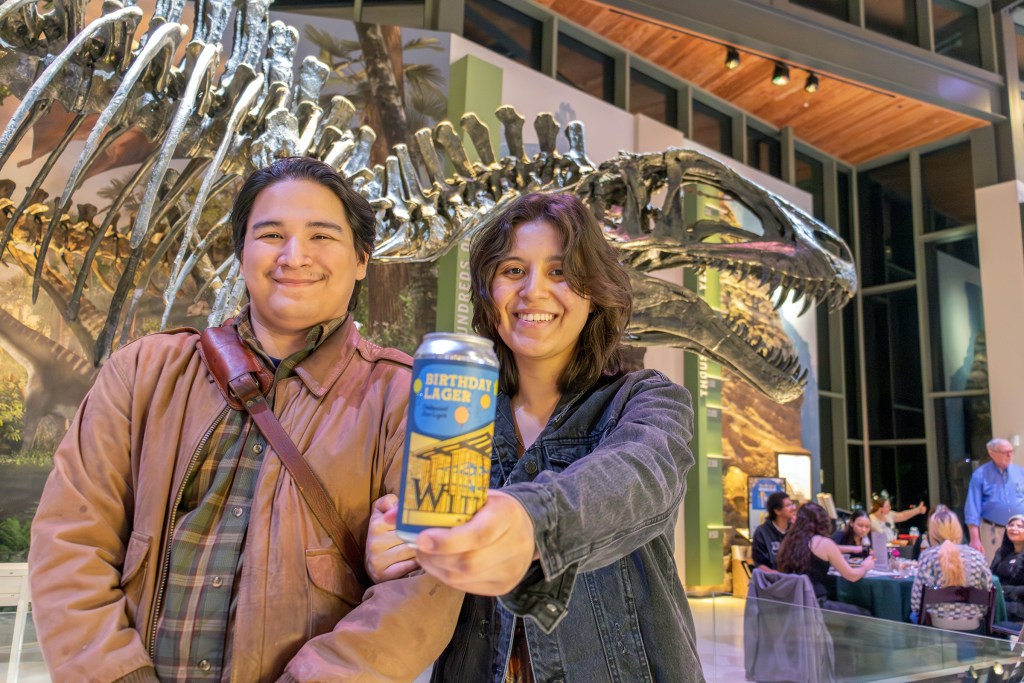
The museum strategically engaged paid social influencers to reach specific segments, particularly for programs built around social participation. Partnerships further amplified this reach. A collaboration with local brewery Wild Barley as a part of the museum’s 100th anniversary year connected programmatic and marketing efforts through a series of beer releases inspired by the Witte’s permanent exhibitions. The first beer release, launched at a Witte Watercolors event and promoted across both organizations’ social platforms, introduced the program to potential visitors already engaged in San Antonio’s food and beverage scene. This both expanded visibility and reinforced the museum’s presence within the city’s cultural landscape.
Evaluation and iteration were built into the process. Post-event surveys and shared planning tools provided insight into audience motivations, satisfaction, and future interests, allowing both programming and marketing strategies to evolve over time. For example, survey data from Cocktails & Culture revealed that many attendees were first-time participants who discovered the program through social media or personal networks rather than museum-owned channels. In response, the marketing strategy shifted to prioritize social-first promotion and more detailed pre-event messaging, including clearer expectations around event format, food offerings, and overall experience. By embedding marketing into the earliest stages of development, the museum moved beyond promoting individual events to intentionally building and sustaining its adult audience.
From Attendance to Engagement
This reinvention of Cocktails & Culture underscored the importance of identifying and segmenting audiences deliberately. Designing for specific motivations—whether creative, social, or intellectual—made it possible to shape how the experience is positioned, communicated, and sustained. Marketing is no longer tasked with promoting a general offering but with engaging distinct audiences through messaging and channels aligned to their expectations and behaviors. For example, this is the first year the museum has used a coordinated mix of influencers, television segments, and targeted advertising to reach specific audience segments for these programs.
As the series continues to evolve, the museum is focused on deepening those relationships. Each Cocktails & Culture program is part of a longer audience journey. The goal is to support a progression from first-time attendee to repeat participant, to member, and ultimately to a more invested supporter of the museum’s mission. Recent updates to membership benefits, including standardized discounts across all programs, further support this approach by creating clearer pathways for participants to move from event attendance to ongoing engagement.
As the Witte enters its second century, this change reflects a broader shift in how marketing contributes to the museum’s long-term sustainability. In a shifting cultural and economic landscape, success depends not only on reaching audiences but on building lasting connections with them. By aligning marketing with how audiences across the institution are defined and experiences are created, the Witte is prioritizing engagement that is not just episodic but enduring.
For museums navigating similar pressures—from changing audience expectations to limited resources —the lesson is clear. Sustained engagement grows not from individual programs but from a coordinated strategy that connects audience insight, programming, and marketing across the institution.
Upcoming Events
-
AAM Member Week
Event Date:Presented by: American Alliance of Museums -
AASLH History Hour: Is This Place Haunted?
Event Date:Presented by: American Association for State and Local History (AASLH) -
Disaster Preparedness for History Organizations
Event Date:Presented by: American Association for State and Local History (AASLH) -
From Informational Interview to Real Connection
Event Date:Presented by: American Alliance of Museums and National Emerging Museum Professionals Network