Tourism ebbs and flows. Economic conditions change. Travel patterns shift. And yet, some cultural institutions continue to thrive even in the most uncertain of times. The difference often comes down to one thing: belonging.
The most resilient museums, gardens, historic properties, and cultural institutions are not simply places that people visit. They are places that people feel connected to on a deeper level. They are woven into the rhythm of life in their communities. They are places where families gather, friends reconnect, children grow up, and traditions are formed. They are their community’s “third space.”
Sociologist Ray Oldenburg described “third places” as the spaces beyond home and work where community happens; places that foster connection, conversation, and a sense of belonging. Traditionally, these include coffee shops, neighborhood pubs, libraries, and community centers. Today, cultural institutions are uniquely positioned to embrace this role, serving not only as places of learning and inspiration but also as indispensable gathering spaces at the heart of community life.
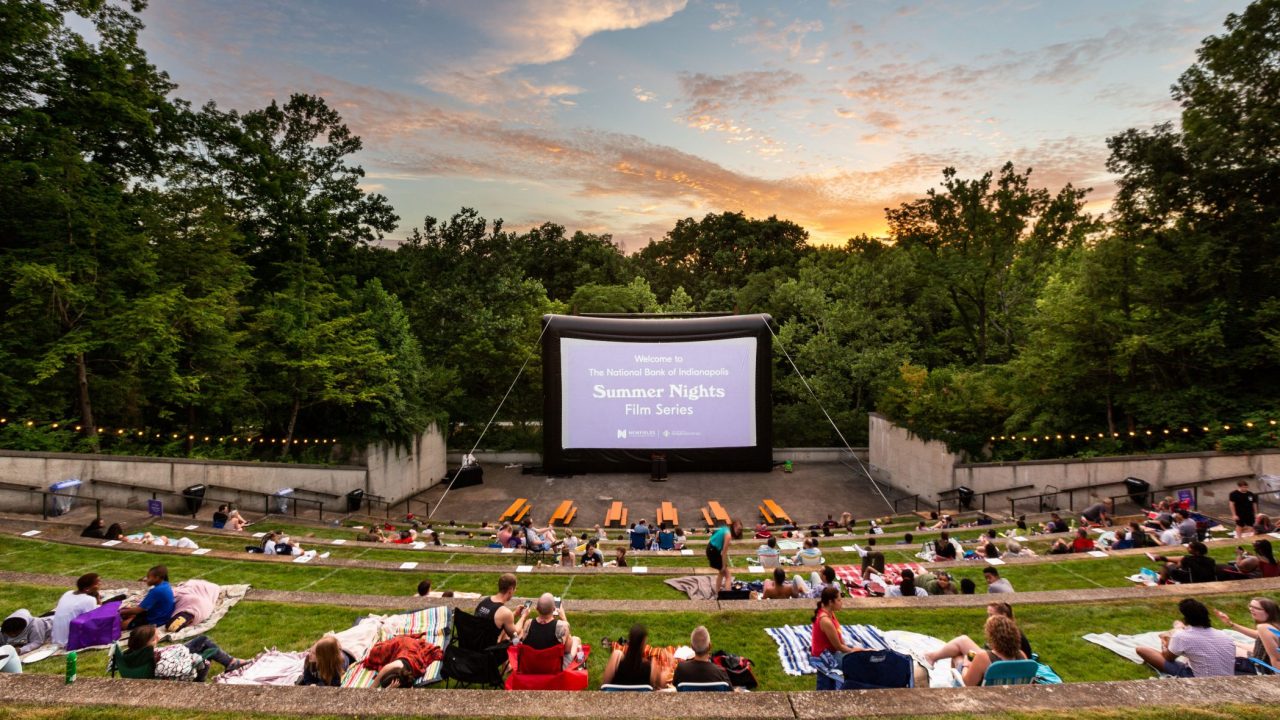
At Newfields, this philosophy has increasingly shaped our approach to engaging local audiences—not simply by encouraging more visits but by creating more meaningful reasons to return and more opportunities to deepen engagement during each visit. Alongside exhibitions, we are intentionally investing in community programming, seasonal festivals, member experiences, wellness initiatives, and thoughtfully curated gathering spaces that encourage guests to linger, connect, and make visiting our campus a part of their routine throughout the year. While every institution’s path will look different, the underlying principle remains the same: when people feel a sense of ownership and belonging, they are more likely to return and make your institution a meaningful part of their lives.
As tourism patterns shift and competition for people’s time and attention intensifies, becoming an indispensable local gathering place may be one of the most important strategies available to cultural institutions. Here are seven practical ways institutions can build belonging and strengthen local engagement.
1. Design Spaces for Human Interaction
Cultural institutions often focus on what visitors will see. Research suggests that who they experience a visit with may matter even more. Creating opportunities for conversation, connection, and shared experiences can be just as important as creating compelling exhibitions or programs.
Consider designing:
- Comfortable gathering spaces
- Interactive experiences that encourage conversation
- Programs designed for families and multigenerational audiences
- Events that prioritize social engagement
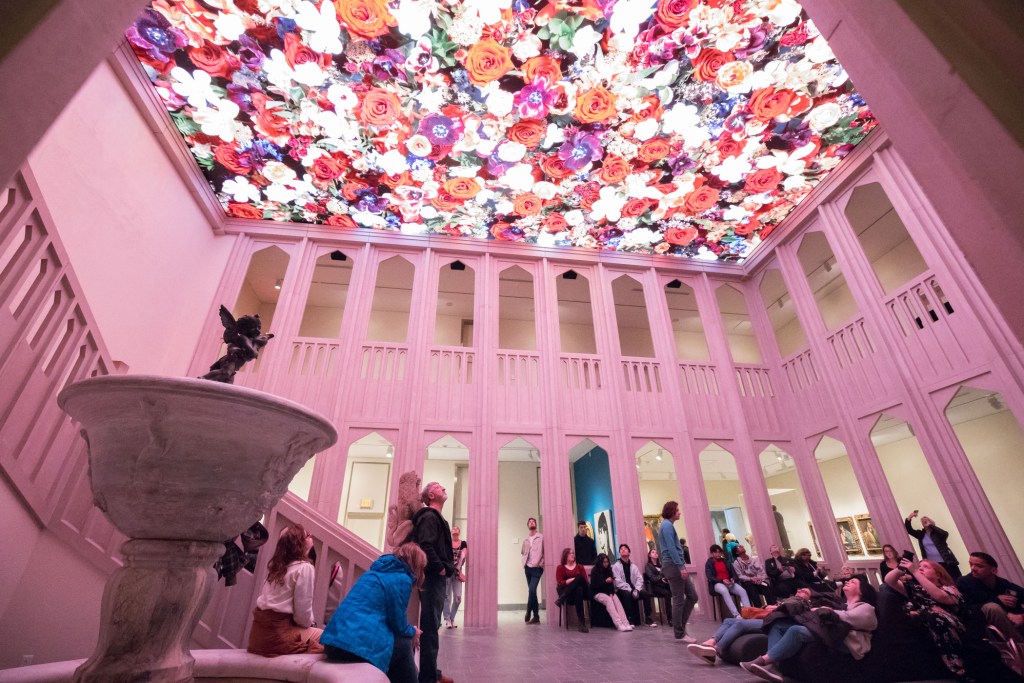
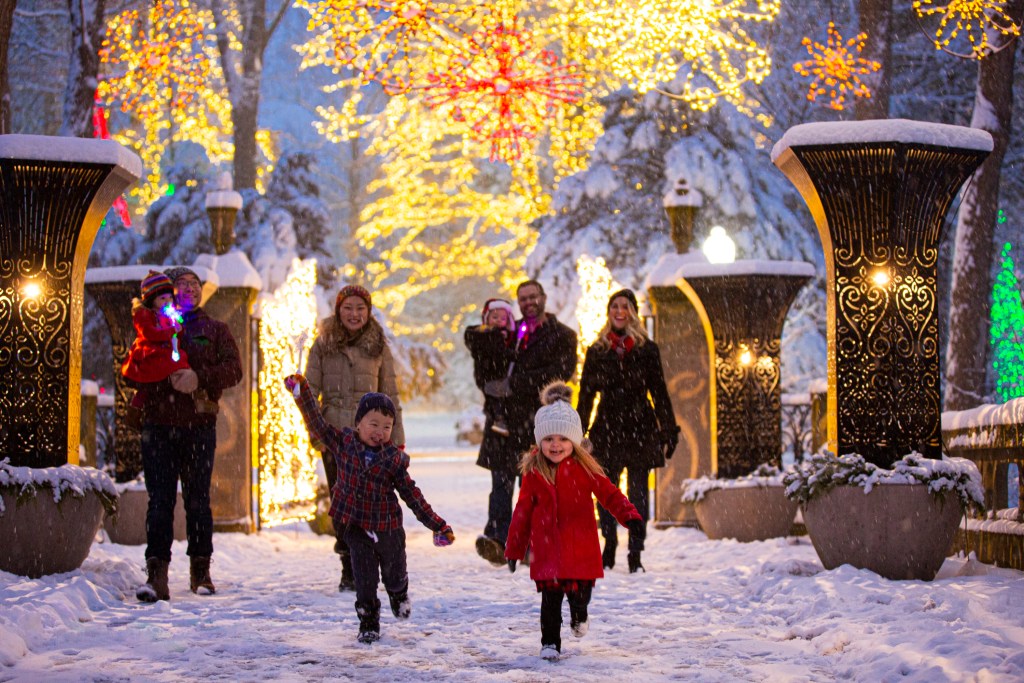
Example: At Newfields, our seasonal festival experiences are intentionally designed to introduce guests to the broader campus through engaging, shared experiences. By inviting people to explore our gardens, galleries, and gathering spaces together, these events help build familiarity; foster meaningful interactions with staff, volunteers, and fellow guests; and create lasting connections that inspire future visits throughout the year.
At their best, cultural institutions no longer simply display content, they create connections.
2. Create Recurring Programs
Tourists may visit once; communities return. One of the most important questions cultural institutions can ask themselves is: “Why would someone come back next month?” Repeat visitation is often built through rhythm and habit rather than novelty alone.
Recurring programs might include:
- Consistent evening programming on a set schedule, encouraging guests to make your institution a regular part of their lives
- Community meetups
- Seasonal traditions
- Family programming
- Member-exclusive experiences
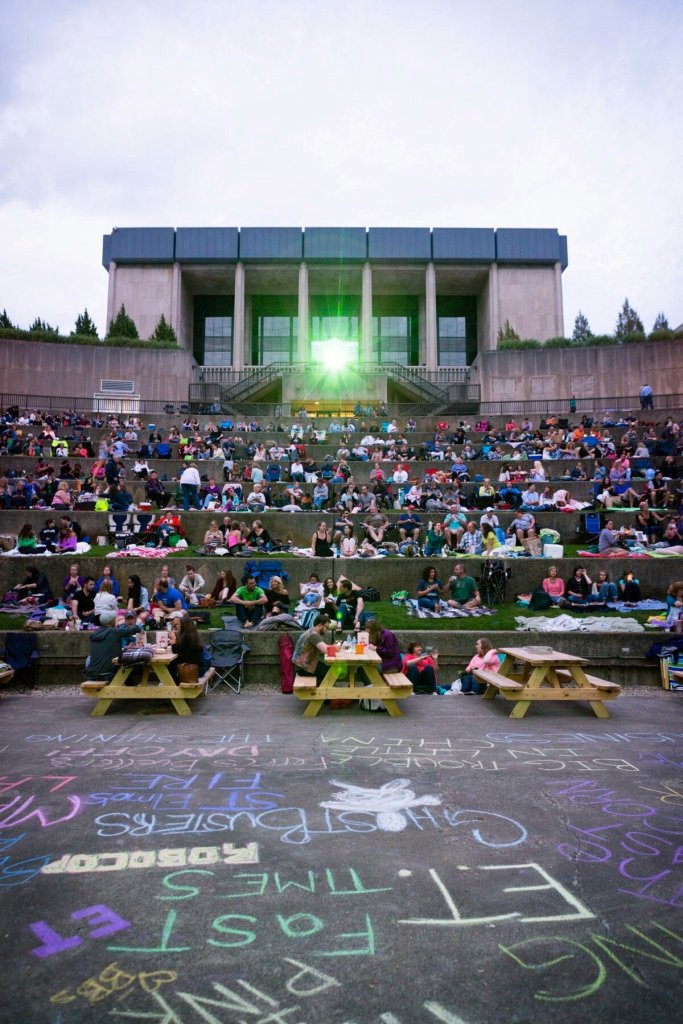
Example: Rather than concentrating programming into a handful of marquee weekends, Newfields has increasingly expanded seasonal offerings into multiweek experiences supported by recurring member events, educational programs, and evening experiences. The objective is not simply to increase attendance but to establish a rhythm that encourages repeat local attendance throughout the year.
The goal is to become part of people’s routines and traditions. When your institution becomes the place where someone celebrates a birthday, attends a monthly gathering, or creates holiday memories with their family, you move from being an attraction to becoming part of the fabric of community life.
3. Remove Friction from the Admissions Experience
Even highly interested potential visitors abandon plans when the experience feels difficult, confusing, or inconvenient. Complicated ticketing systems, confusing pricing structures, excessive clicks, and cumbersome purchasing processes can unintentionally discourage attendance. In today’s environment, people compare every outing to the best experiences they have elsewhere. They expect simplicity and convenience: they want a truly effortless transaction. Every unnecessary barrier creates another opportunity for guests to choose a different activity, because today’s cultural institutions compete not only with one another, but with every destination vying for people’s discretionary time, attention, and dollars.
Institutions should regularly ask:
- How many clicks does it take to buy a ticket?
- Can a visitor complete a purchase on their phone?
- Is our pricing easy to understand?
- Is the process intuitive?
Example: Removing friction is an ongoing priority at Newfields. We continually evaluate every step of the guest journey from online purchasing and timed-entry reservations to parking, arrival, security screening, and campus entry. In short, we seek to identify opportunities to make the experience more intuitive. Initiatives such as ticketless member check-in and the exploration of technologies that enhance both safety and convenience reflect our belief that every operational decision is also a guest experience decision.
Sometimes the most impactful changes are not new programs but the removal of obstacles.
4. Think Broadly About Cost Barriers
When people say that cost is a barrier, they are often talking about much more than the admission fee.
They are thinking about:
- Parking
- Transportation
- Childcare
- Meals
- The overall cost of spending a day out
Value is rarely determined by ticket price alone.
Institutions can respond by:
- Creating bundled experiences
- Offering targeted access initiatives
- Providing free community programs
- Considering transportation partnerships
- Thinking holistically about affordability
Example: Guests don’t evaluate admission in isolation, and neither should cultural institutions. At Newfields, conversations about affordability increasingly focus on the entire guest experience—from memberships and community access programs to parking, dining, and other amenities.
Lasting value is created by the experience as a whole, not by any single transaction.
5. Weave Belonging into the Visitor Experience
People are unlikely to spend their precious time and money in places where they feel they do not belong. Welcoming environments do not happen accidentally; they require intentionality.
This means ensuring that diverse audiences can see themselves in the institution because it includes:
- Inclusive language
- Representation in programming and storytelling
- Physical accessibility
- Staff training
- Thoughtful community partnerships
Example: Building belonging at Newfields extends well beyond exhibitions and programming. Through community access partnerships, sensory-friendly experiences, cultural celebrations, multilingual communications, and other intentional efforts to reduce barriers, we strive to create an environment where every guest feels welcome, represented, and able to develop a genuine sense of belonging. Often, these thoughtful decisions communicate our institutional values more powerfully than any marketing campaign.
Belonging is not simply about access; it is about feeling seen, valued, and invited.
6. Invest in Frontline Staff
People remember how they were made to feel. A warm greeting, a helpful volunteer, a thoughtful conversation with a staff member, or a simple act of kindness can transform an entire visit. The opposite is also true. A negative interaction can overshadow an otherwise exceptional experience. Frontline staff (customer service and security included) and volunteers are among an institution’s most powerful assets. They shape memories, perceptions of value, and intentions to return.
Investing in people means:
- Training staff to create meaningful interactions
- Empowering employees to solve problems
- Encouraging curiosity and conversation
- Celebrating hospitality as a strategic priority
Example: Newfields approaches hospitality as a shared institutional responsibility rather than the work of a single department. Through intentional customer service training and a culture that empowers every employee and volunteer to serve as a host, we strive to ensure that every interaction reinforces the same message: you belong here.
Human connection remains one of the most powerful tools cultural institutions possess.
7. Lean into Your Role as a Community Anchor
Trust in cultural institutions remains remarkably strong. Communities increasingly look to museums and other cultural institutions not only for education and inspiration, but also for connection, dialogue, and civic engagement. This presents an extraordinary opportunity.
Cultural institutions:
- Host meaningful community conversations
- Design spaces and experiences that bring people together
- Create opportunities for learning and reflection
- Foster a lasting sense of belonging
Example: This vision is helping shape the future of Newfields. We are intentionally exploring new partnerships with neighborhood organizations, community centers, schools, artists, and other hyperlocal partners to better understand community needs and create experiences alongside—not simply for—the people we serve.
When institutions embrace these roles, they become far more than destinations; they become essential community infrastructure.
The Opportunity Ahead
The future of local attendance may not depend solely on blockbuster exhibitions or increased tourism. While both can play important roles in an institution’s success, organizations that rely exclusively on these strategies may find themselves vulnerable to changing travel patterns, economic conditions, and shifting consumer behaviors. Building a diversified engagement portfolio is no longer simply good practice, it is essential to long-term resilience. Indeed, the future of cultural institutions may depend on creating places where people feel welcomed, connected, and valued.
When a cultural organization becomes part of someone’s traditions, relationships, and memories, it ceases to be merely a place to visit, it becomes part of who a community is. And there may be no stronger foundation for long-term relevance and resilience than that.

Upcoming Events
-
Understanding the U.S. History Sector
Event Date:Presented by: American Association for State and Local History (AASLH) -
-
-
Industry Showcase: Innovative Digital Solutions
Event Date: