As a museum marketing professional, I learned early on that the most effective way to attract an audience is to convey the experience a museum offers. But that experience is about more than what visitors get to “see and do.” It’s also about how they feel.
Exhibition and education teams can create phenomenal, inspiring, world-class experiences, but every interaction throughout a visit shapes how that experience is received and remembered. The welcome at the front desk, an exchange with a staff member in the galleries, the ease of navigating the building, and even a stop at the café or restroom all contribute to the feeling visitors take with them when they leave.
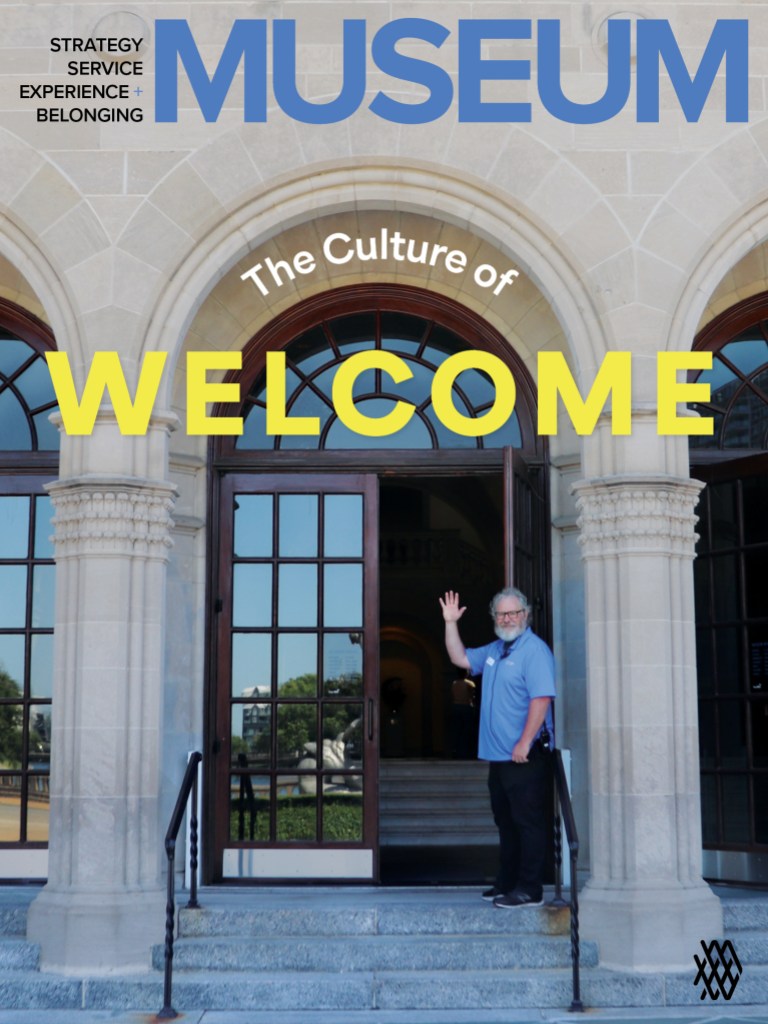
This article originally appeared in the Sept/Oct 2026 issue of Museum magazine, a benefit of AAM membership.
» Read Museum.
What we call “visitor experience” in museums encompasses everything from the ticket counter to the gift shop, from exhibitions and programs to wayfinding, security, facilities, and food service. It is a discipline that brings together a dizzying array of functions across our organizations.
For visitors, however, these are not separate departments or responsibilities but touchpoints that compose the totality of the museum experience. As Debbie Queen of the Theodore Roosevelt Presidential Library argues in these pages (p. 20), when the pieces do not work in harmony, the experience does not land. An off-putting encounter at the coat check can sour the anticipation of entering an exhibition, just as a brusque interaction with a security guard in a gallery can send someone looking for the exit.
As you will read in this issue, museums are increasingly learning to see the experience through their visitors’ eyes in order to craft a more unified, welcoming, and joyful journey from beginning to end.
The Cleveland Museum of Natural History has used a major renovation as an opportunity to make its storytelling more relevant, its experts more visible, and its engagement more active (p. 32). The multi-museum NUDL project is partnering with autistic youth to build neurodiverse needs into museum activities, enhancing the experience for everyone (p. 26). Jewish museums across the country are using cutting-edge digital tools to preserve and perpetuate cultural heritage (p. 38). The Griffin Museum of Science and Industry is tapping into the popularity of escape rooms to give audiences a new way to experience its galleries
(p. 50). And the Chrysler Museum of Art is reimagining the traditional security role through its friendly, visitor-centered “gallery host” approach (p. 44).
These examples remind us that it is not simply the assets we have as museums—the collections, buildings, expertise, and staff—that matter, but what we do with them. Winning hearts and minds means creating opportunities for inspiration, reflection, and fun while inviting visitors to bring their own ideas and experiences into the exchange.
Understanding what makes our visitors tick is an essential part of the work. On that front, each year AAM partners with Wilkening Consulting to conduct the nationwide Annual Survey of Museum-Goers, exploring the demographics and psychographics of the museum-going public. The research offers museums a valuable opportunity to better understand who their audiences are, what they want from their experiences, and what inspires them to return. The 2027 edition is recruiting now, with early-bird rates for those who sign on by December 1.
The museum field has made tremendous shifts over time, moving from centering objects to centering people, creating experiences that are meaningful, memorable, and welcoming to all. I hope the strategies shared in this issue will help you find ways to accelerate this movement and make every visitor feel like a guest.
7/16/2026
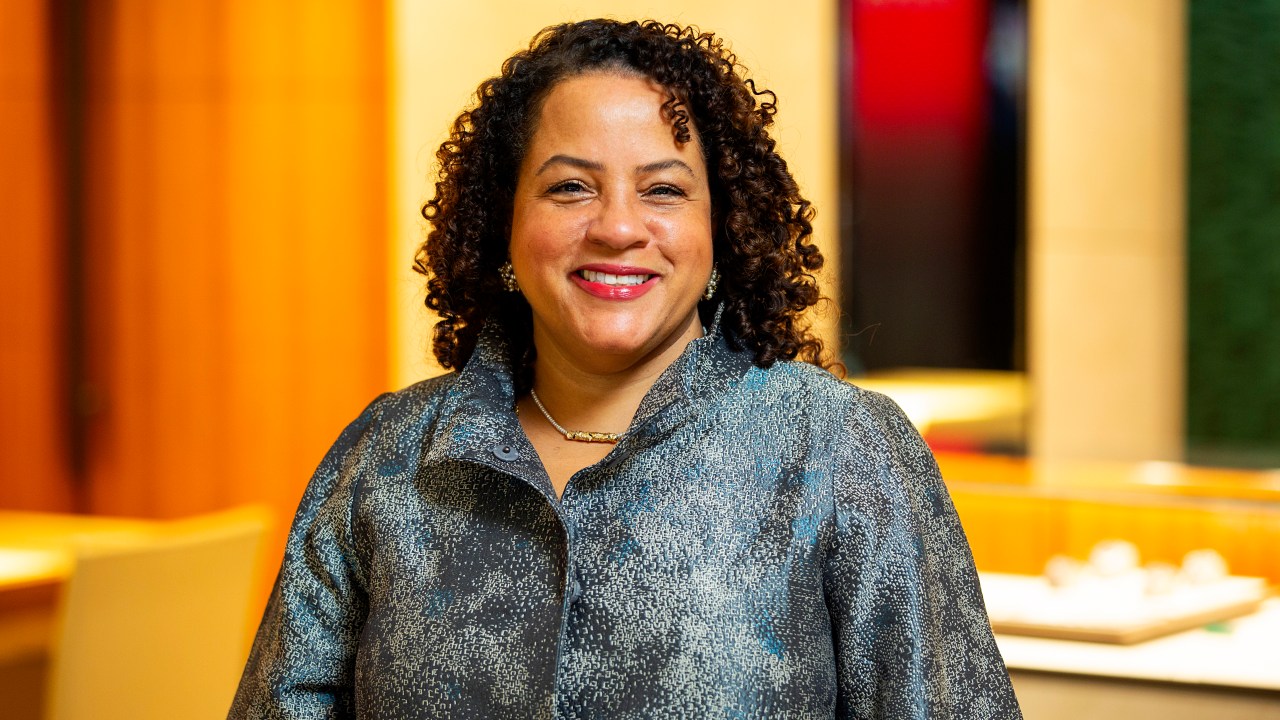
Marilyn Jackson is the President and CEO of the American Alliance of Museums.

Upcoming Events
-
-
Industry Showcase: Innovative Digital Solutions
Event Date: -
Getting Started in Local Advocacy
Event Date:Presented by: American Association for State and Local History (AASLH) -
Creative Museums Summit
Event Date:Presented by: MuseumNext