On a typical day at Chicago’s Griffin Museum of Science and Industry (MSI), visitors move through exhibits with a destination in mind—a favorite artifact, a hands-on activity, or the temporary exhibition that got them in the door. But on special evenings, the museum transforms as guests turn into detectives, looking for those often-overlooked details. Instead of rushing to the next big attraction, groups lean in and examine every inch of the museum with fresh attention.
This article originally appeared in the Sept/Oct 2026 issue of Museum magazine, a benefit of AAM membership.
» Read Museum.
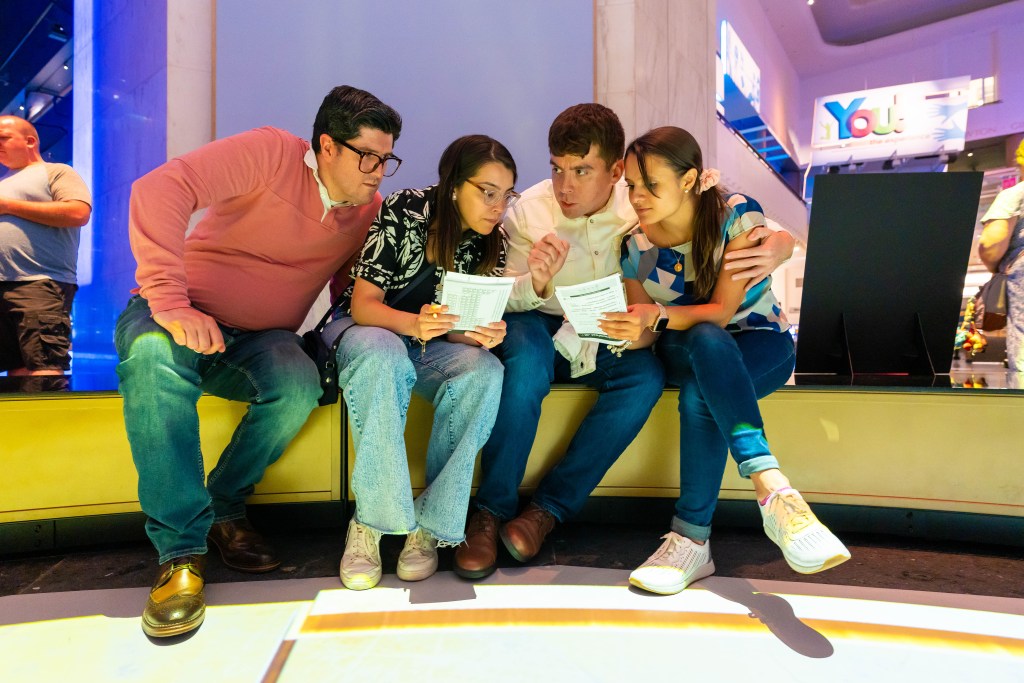
Teams cluster around exhibit labels. Parents, teenagers, and grandparents compare theories. Friends debate possible solutions while hurrying toward the next clue. Somewhere nearby, a costumed actor is advancing a storyline that has transformed one of the country’s largest science museums into a giant escape room. For a few hours, guests aren’t just visiting the museum—they’re interacting with it in a way they never have before.
That’s the premise behind Escape the Museum, an after-hours immersive experience that has become one of Griffin MSI’s most successful audience engagement initiatives. Part escape room, part interactive storytelling, and part museum exploration, the event invites visitors to solve puzzles embedded throughout the museum while uncovering details hidden within exhibits they may have seen dozens of times before.
Over the last three years, the formula has proven effective. The program engages our primary audience of families, attracts a new audience of puzzle enthusiasts, creates highly shareable moments for social media, and generates meaningful revenue, all while encouraging visitors to engage more deeply with the museum’s content.
“We have been members of the museum for years,” one participant shared after attending. “We loved how it had us interacting with details in different parts of the museum that we typically don’t notice.”
Standing Out on the Cultural Calendar
Like many museums, Griffin MSI spent years experimenting with after-hours programming. Adult-focused events, particularly 21-plus nights, are a staple among cultural institutions. But as similar formats became commonplace, standing out became increasingly difficult. Guests could find drinks, music, and exclusive access at museums across the city.
At the same time, the popularity of escape rooms was on the rise. The format attracted a dedicated audience willing to seek out new challenges, and it aligned naturally with the museum’s educational mission and hands-on design. Rather than creating a separate entertainment experience, the team asked: What if the museum itself became the puzzle?
Tips for Starting Your Own Escape Experience
- Test with a variety of audiences. Make sure your game testers include both people who know the museum well and people who have never visited. Familiar visitors often solve challenges differently than first-time guests, and both perspectives are valuable.
- Small rewards have big impact. Don’t underestimate simple takeaways. Photo opportunities, stickers, buttons, and other low-cost souvenirs can create memorable moments and help with grassroots event marketing.
- Equip staff to help. Create tip sheets for volunteers and staff that outline common sticking points and approved hints that guide guests toward the solution without giving away answers.
- Prioritize accessibility. Consider travel distances between puzzle locations and provide alternatives whenever possible. Build accommodations for guests with mobility limitations and offer accessible options for visitors with vision or hearing impairments.
- Use what you already have. The most effective puzzles often emerge from collections and exhibits already on display. Leveraging existing assets can dramatically reduce costs while strengthening connections to institutional content.
- Make it more than a scavenger hunt. A strong narrative, memorable characters, and immersive storytelling can transform a puzzle trail into a fully realized museum experience.
Several goals were tied to the creation of Escape the Museum, but most importantly, it needed to feel like a truly unique experience. That meant avoiding generic puzzles in favor of challenges rooted in exhibition content and scientific concepts. Every clue would encourage guests to observe, investigate, and connect ideas in ways that mirror the museum’s broader mission to spark curiosity and inspire the inventive genius in everyone.
Collaboration was key to the program’s creation. By partnering with an existing Chicago-based escape room company, the museum team was able to leverage the expertise of game makers instead of starting from scratch. The external puzzle creators also offered a fresh perspective on which corners of the museum would appeal to the escape room enthusiasts the most, and their Chicago roots ensured a degree of familiarity with both the city and the museum.
The Planning Process
Creating an annual museum game is an extended effort that typically takes about seven months from concept to launch. The process begins with two to three months of creative development, during which the team crafts the storyline, selects exhibits to feature, and develops the game concepts and puzzles. The next three months are dedicated to refining and testing the experience, ensuring each challenge is engaging, accessible, and aligned with the event’s theme. The final month focuses on operational planning, including coordinating with actors, printing game materials, and purchasing supplies.
The Public Events team leads the project, supported by colleagues across the museum. Design develops signage and game booklets, while Exhibits and Facilities teams help ensure featured exhibits are fully operational throughout the event. Marketing and Communications promote the experience, and Operations and Volunteer teams assist with ticketing, wayfinding, and clue support during the event.
Each game typically features four or five major puzzles that culminate in a final challenge. Extensive prototyping and testing are essential, involving staff, frequent visitors, first-time guests, experienced escape-room enthusiasts, and novice players. This feedback helps the team strike the right balance between challenge and accessibility, creating an experience designed for novice to intermediate players ages 10 and up.
An Immersive, Intergenerational Experience
One of the keys to the program’s success has been treating it as an immersive experience rather than a scavenger hunt. Each installment includes a storyline that frames the challenge and gives guests a reason to move through the museum. Characters portrayed by paid actors help advance the plot, offer clues, and create memorable connections through scripted moments and improvised interactions. Audience feedback consistently identifies the actors as a highlight of the experience. “The staff was very helpful and we loved their acting and how immersive they were,” one guest wrote.
This narrative framework helps contextualize the science. In Griffin MSI’s newest iteration of the concept, The Infinite Grid, participants learn how an electrical power grid functions while attempting to solve a fictional crisis. The stakes may be fictional, but they create genuine emotional investment. Visitors aren’t just reading about energy systems, they’re using that knowledge to accomplish a goal.
The storytelling also creates opportunities for guest engagement beyond puzzle-solving. Some arrive in themed costumes. Others document their experience on social media. The event generates highly shareable moments while reinforcing that the museum is a place of exploration and imagination for all.
Unlike many contemporary experiences, Escape the Museum deliberately avoids reliance on personal technology to offer something truly immersive. Early planning included discussions about incorporating smartphones and digital interactions, but we decided to prioritize accessibility. Many of the young attendees don’t yet have phones of their own, while some visitors from older generations may be less comfortable with digital technology. The event is a screen-free night out—an increasingly rare thing.
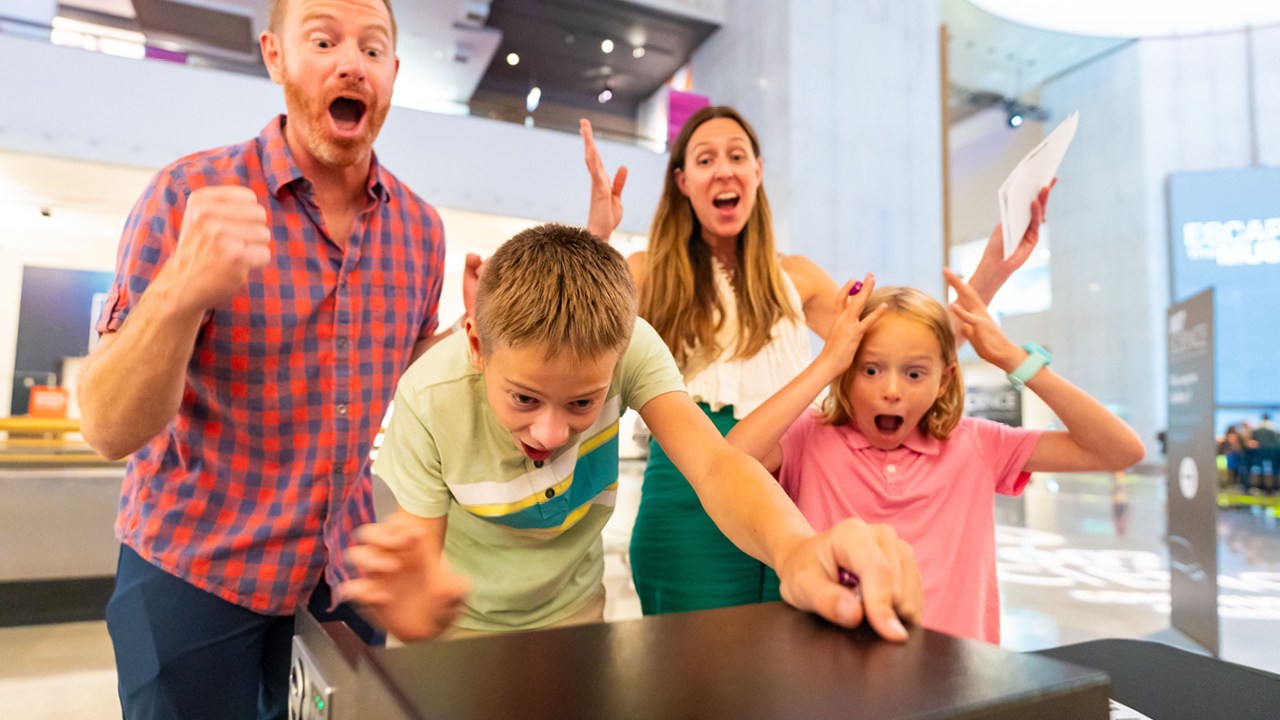
By keeping the experience physical and collaborative, the event encourages conversation, teamwork, and multigenerational participation. Families solve puzzles together. Teens and parents contribute different strengths. Adults become just as invested as children. “We did the escape room and all six of us from 12 to 69 had a blast!” one attendee commented.
Accomplishing a shared goal together can lead to more meaningful bonding between families and groups of all ages—more so than simply walking through the museum together. “The Escape the Museum event was one of the most memorable family experiences we have ever had,” another guest wrote. “There was something very special about solving a problem together that brought the best out of each of us.”
Practical Design, Powerful Results
One of the program’s greatest strengths is that it uses the museum’s existing infrastructure as its backbone. The puzzles were designed primarily around existing exhibits and collections rather than expensive installations or elaborate set construction. This significantly reduced production costs while minimizing setup and teardown requirements.
That streamlined design is part of what makes the event profitable. With minimal supply costs, profit margins can expand—the 2025 iteration of Griffin MSI’s event generated a 100 percent return on investment, demonstrating the potential for a sustainable revenue model.
It’s important to note, however, that scheduling matters. A single event can generate excitement, but creating a true revenue stream requires multiple nights and sufficient capacity planning. The museum saw greater success by increasing to eight nights from four and maintaining a lower capacity to avoid bottlenecks at each puzzle.
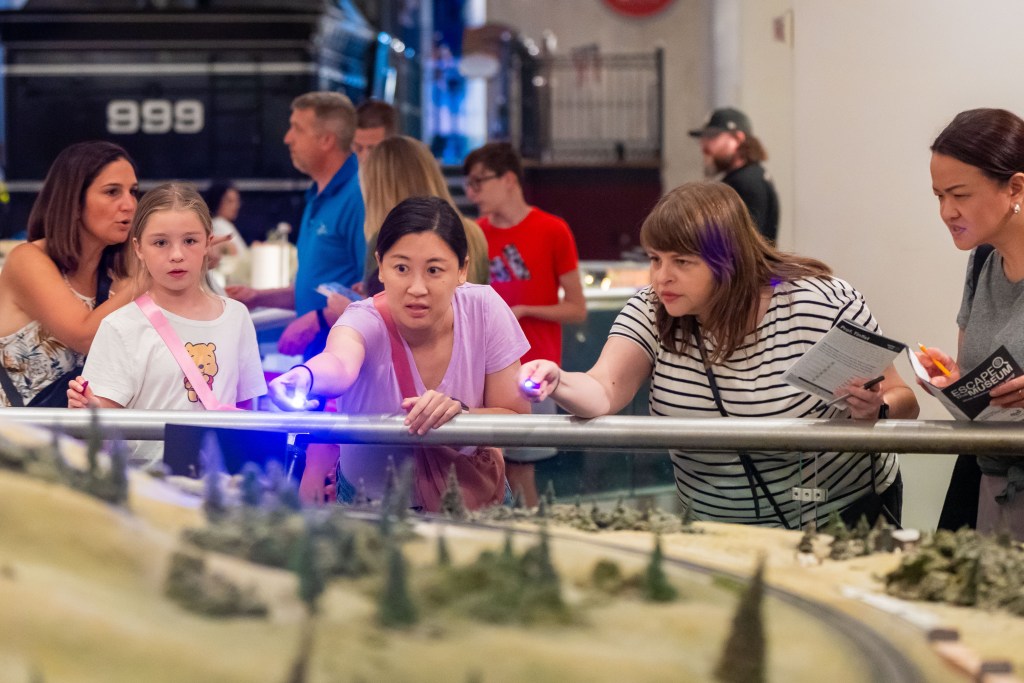
The ticketed structure offers additional advantages. Limited attendance, which MSI limits to less than 50 percent of the museum’s daily capacity, creates exclusivity while allowing guests to experience the museum with smaller crowds. Many visitors reported that after-hours access itself was one of the biggest draws.
“Loved getting to wander around the museum with my friends looking for clues,” one attendee wrote. “It was a great way to experience the museum without the crowds and doing an activity with friends.”
Future Growth
As Griffin MSI continues to refine and expand the series, there is significant potential for future growth by focusing on different exhibits and continuing to experiment with increased nights and capacity. The format naturally attracts puzzle enthusiasts while introducing new audiences to the museum. It creates opportunities for social media content, influencer engagement, and repeat visitation. Most importantly, it demonstrates how museums can activate existing assets in unexpected ways.
The final moments of the experience remain among its most memorable. Rather than having staff simply verify answers, participants solve a concluding puzzle that physically unlocks a prize container. When the box opens, the story reaches its conclusion, and guests receive a tangible reward.
That moment may seem small, but it embodies the philosophy behind the entire experience. Museums are uniquely positioned to create moments of wonder. Sometimes those moments come from a groundbreaking artifact or scientific demonstration. Other times, they come from solving a puzzle alongside family and friends.
With a sprawling footprint and ever-changing exhibits, MSI has endless opportunities to create new games and stories that draw attention to every aspect of the museum. If audience feedback is any indication, guests are eager to return for the next challenge.
For museums searching for new ways to deepen engagement, that may be the most important clue of all.
Kate Higbee is Senior Director, Brand Engagement & Events at Griffin Museum of Science and Industry in Chicago, Illinois.
Upcoming Events
-
-
Industry Showcase: Innovative Digital Solutions
Event Date: -
Getting Started in Local Advocacy
Event Date:Presented by: American Association for State and Local History (AASLH) -
Creative Museums Summit
Event Date:Presented by: MuseumNext