Most museums are working with small teams and tight budgets, while expectations for accessibility and community engagement continue to grow. This creates a challenge: how can museums increase impact without increasing resources? One answer: building relationships outside the institution.
Strategic partnerships allow museums to expand their reach, attract new audiences, and increase their visibility in ways traditional marketing often cannot. Most importantly, they embed museums more deeply in community life. The best partnerships move from simple exchanges to serving as a foundation for sustainability and growth.
This article originally appeared in the July/August 2026 issue of Museum magazine, a benefit of AAM membership.
» Read Museum.
Over the past year at the Everson Museum of Art, we have built partnerships by identifying organizations that engage audiences we want to reach and then prioritizing visibility and impact. As a museum in downtown Syracuse, New York, known for its architecture, ceramics collection, and art, we know those factors are vital to our success.
When creating a partnership framework, we established core personas for the museum; these are the groups we want to appeal to. From there, we determined the activities, information, and needs of those personas, helping us identify a more effective “sphere of influence” for partnership opportunities.
Developing those personas helped us identify partners in tourism, education, entertainment groups, and libraries, as well as more unique partners such as a chocolatier, a high-end residential building group, and others. Through these persona-focused partnerships, we’ve extended our reach beyond our own channels, introduced the museum to new audiences, and strengthened our role in the region’s cultural and civic ecosystem.
Partner for Meaningful Impact
Before building partnerships, it’s critical to identify what you want them to achieve. In many cases, museums don’t have an experience problem—they have an awareness problem. Visitors coming in often say they enjoyed their experience. But many potential visitors simply don’t know what’s inside, don’t feel a museum is for them, or don’t have it top of mind.
Rather than asking, “How do we get more people to visit?” it’s more helpful to ask: “Where is our audience, and who do they already engage with?” These groups can spread awareness of your institution and build credibility among people who do not yet have it on their radar.
Many museums approach partnerships with basic marketing tactics: a logo swap, shared social posts, or a newsletter mention. These efforts help but rarely create lasting impact. Aim to build a network of partners that reinforce one another, advance a message, and support museum goals. Identify “surprise and delight” opportunities to make even “simple” marketing efforts become more interesting and impactful. Consider these potential partners to form your network and expand your reach:
- Tourism organizations. State and regional tourism agencies provide access to visitors actively seeking activities. Inclusion in travel guides, itineraries, and digital campaigns expands your reach beyond your institution, city, or county. Think big!
- Downtown alliances and business associations. These groups place the museum alongside dining, shopping, and events. They encourage people to see the museum as part of their plans.
- Hospitality partners. These partners influence visitors tremendously. A hotel concierge or server’s recommendation can be more powerful than a paid ad.
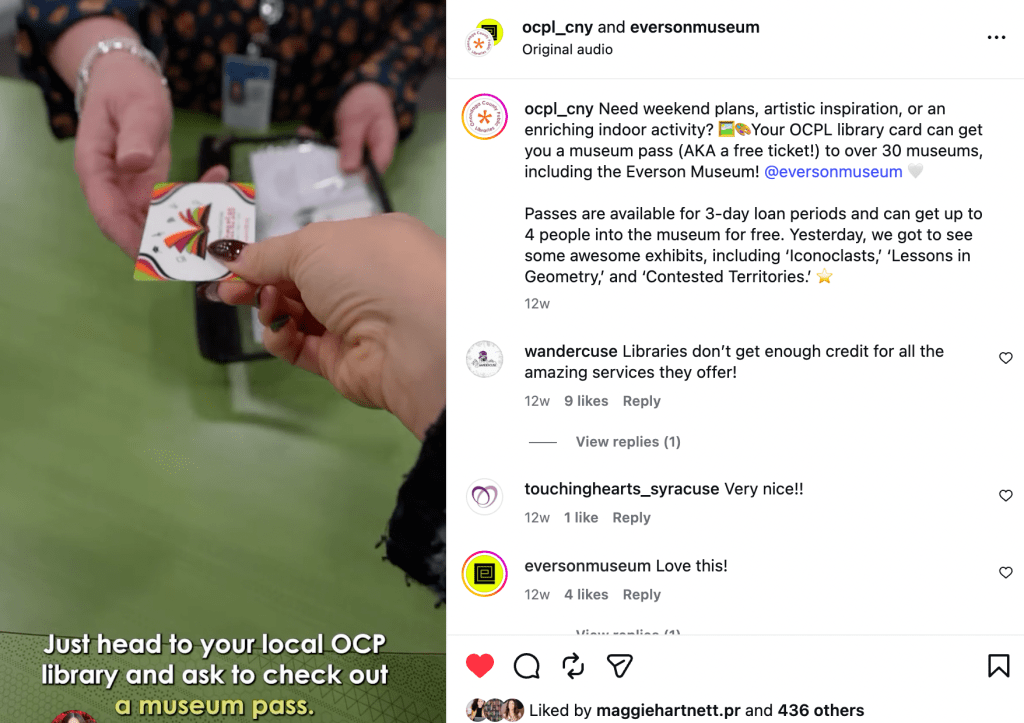
- Libraries and educational institutions. These partners share the museum’s mission and often reach people interested in learning and exploring.
- Community organizations and nonprofits. These partnerships expand reach into new and more diverse audiences, reinforcing the museum’s role as a community connector.
- Local “influencers.” These community members are active online, informed, and connected to local culture, events, and organizations. They are at the center of community life and can be valuable partners if engaged thoughtfully.
- Out-of-the-box partners. Strong partnerships are not always the most obvious ones. By looking beyond traditional audiences (use those personas!) and aligning with atypical partners, museums can show up in new contexts, reach untapped audiences, and challenge assumptions about who museums are for.
Join a Campaign
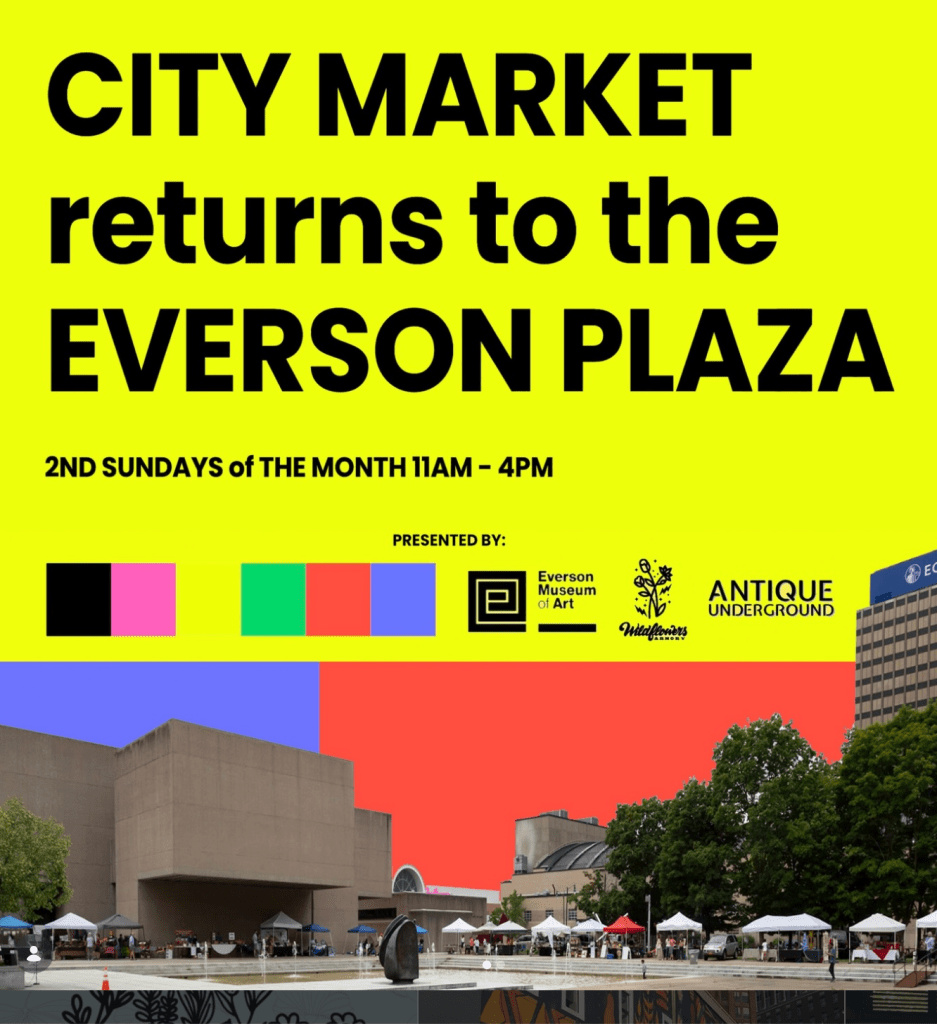
Instead of promoting your museum solely through your own channels, find greater impact through joint campaigns with partners. At the Everson, this approach expands our reach in Syracuse and makes the museum part of a lively regional scene.
Our shared “So Much to Do in ’Cuse” 360-degree marketing campaign unites cultural institutions and activities under one vibrant message. This positions the Everson as a must-see destination and has measurably increased attendance and engagement among all partners.
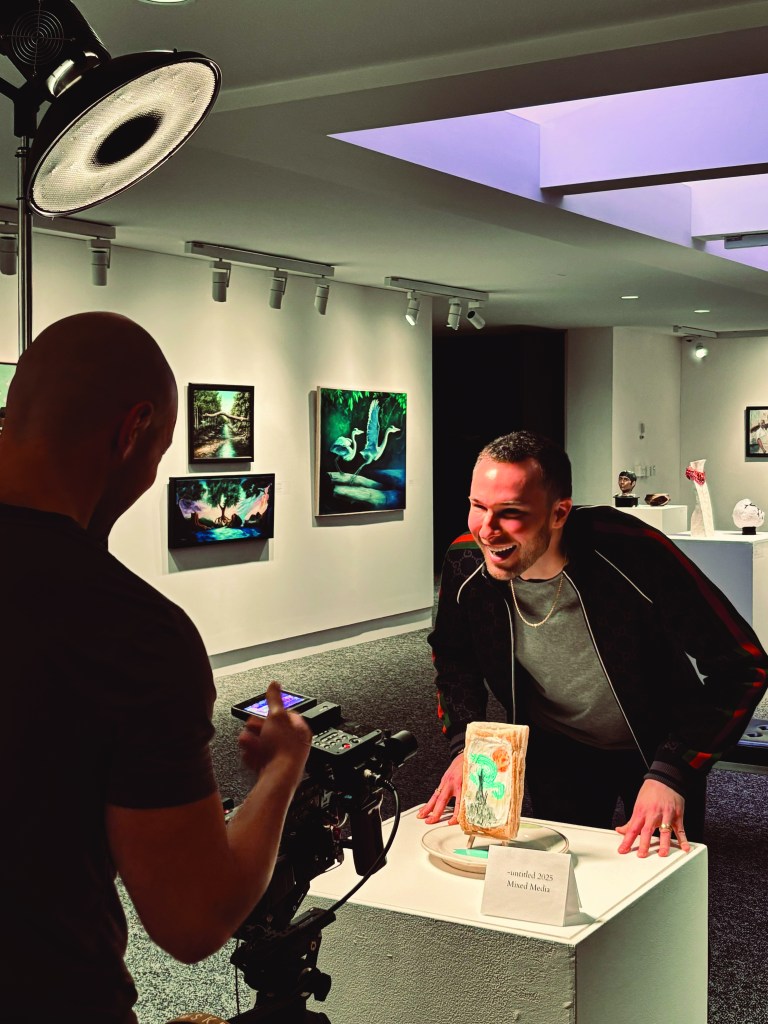
We also promote campaigns by integrating the museum into experiences, placing museum content in tourism and hospitality settings, and developing creative tie-ins with broader cultural events. For example, during our winter festival, we partnered with hospitality groups to create an “Emerald City Ice” drink, tying our event to the popular touring production of Wicked. These collaborations offer memorable entry points for engagement.
Cross-promotional storytelling remains a key tactic. Our “More Than” series, which includes partnerships with various cultural institutions, aligns messaging and reinforces shared values of access, learning, and discovery. This series is focused on helping our audience understand that our local cultural institutions are “more than books” (maker studio, workshops, resource rentals), “more than art” (video projection, workshops, festivals, cafés), and “more than animals” (weddings, festivals, preservation).
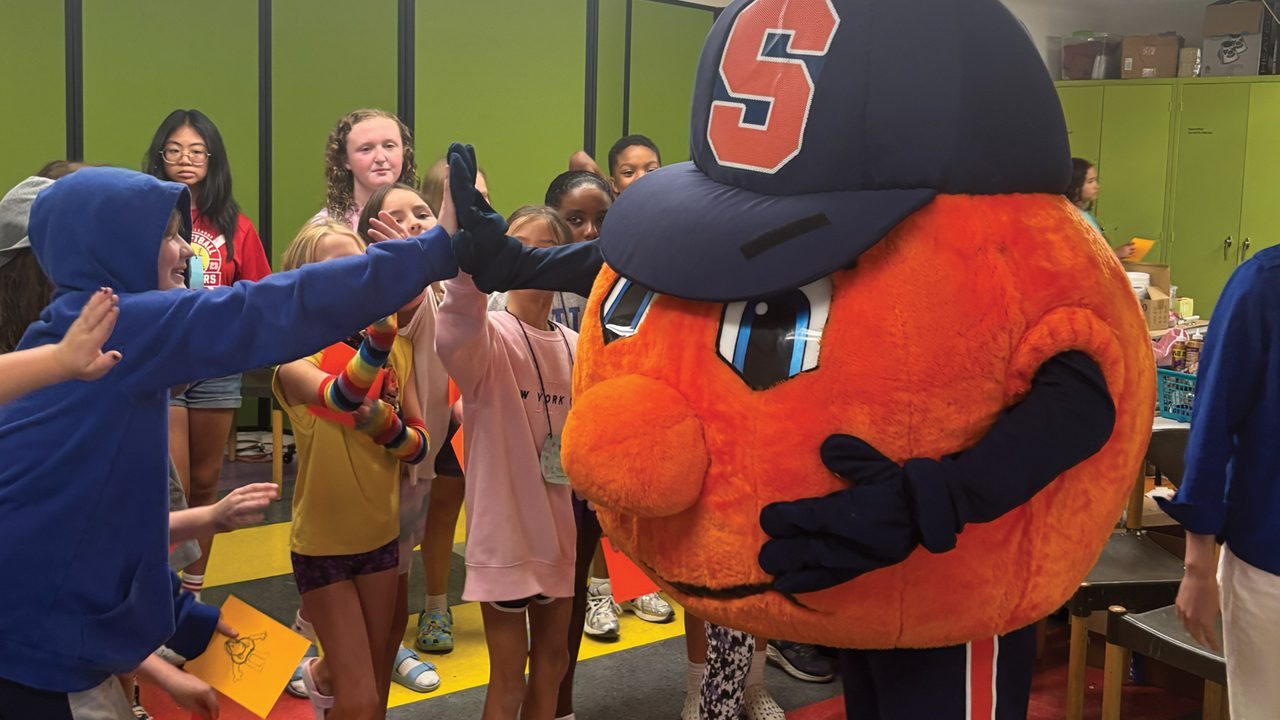
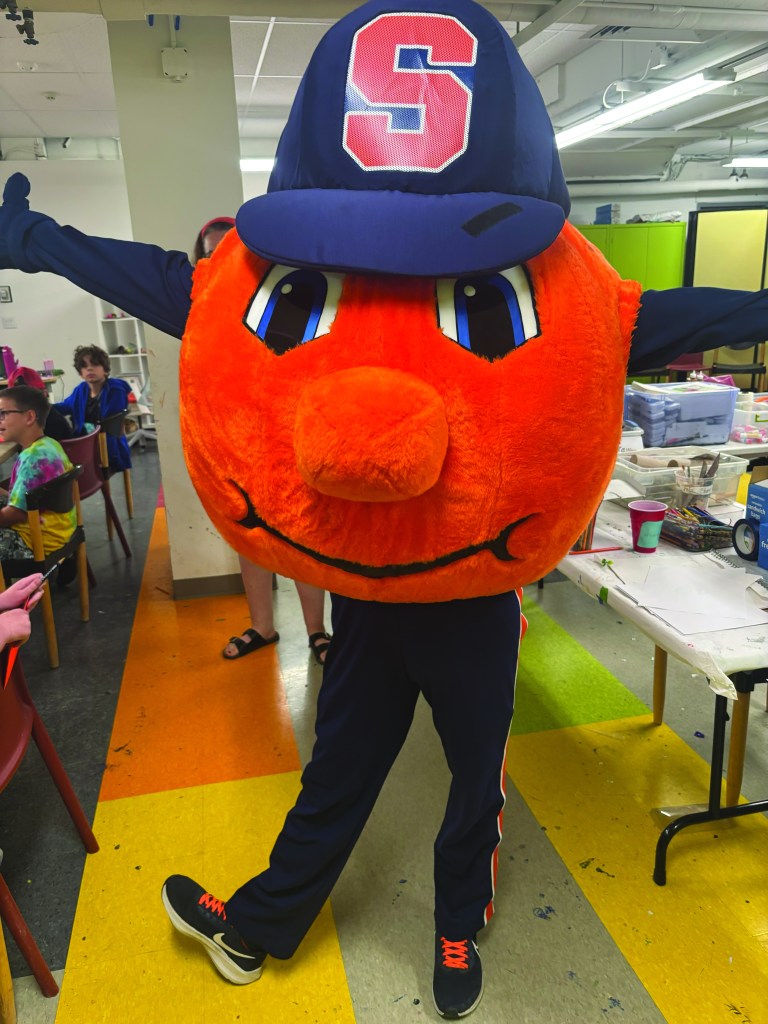
Collaborations, like the one we did with Syracuse University’s mascot Otto the Orange, allow us to reach audiences beyond traditional marketing. We took pictures of Otto visiting the Everson and surprising school tours and posted them to social media, reminding students that they get discounted museum admission and membership.
We apply this thinking to influencer partnerships as well. With a prominent local history influencer, we created the “It’s Okay to Like Syracuse” campaign. It featured engaging social media content and a bumper sticker with the tag line, which we offered to visitors spending $15 or more on admission, at the gift shop or café, or on a membership.
Consistency drives our most effective tactics. We reinforce campaigns via social channel content, email, marketing automations, impactful marketing collateral, and in-person experiences. We leverage digital tools such as QR codes, trackable links, and surveys to broaden our reach and deepen our understanding of any engagement.
These approaches do not require large budgets or complex systems. They do require coordination, creativity, and openness to change. By sharing unified messaging, partners achieve a multiplier effect—boosting attendance, expanding awareness, and strengthening community presence.
However, partnerships are only effective when supported by clear, welcoming experiences in the museum that deliver on their promises. Alignment between strategy and visitor experience is essential for campaign success.
5 Tips for Partnership Return on Investment (ROI)
Partnerships might seem successful, but without the right framework in place, it’s hard to know what is really moving the needle. Here are some areas of focus for any partnership.
- Understand your baseline. Track who is currently coming to your institution, where they are coming from, and what they are doing. This insight will help you pursue the most strategic partnerships.
- Prioritize audiences. Are your partnerships helping you bring in first-time visitors or reach people who don’t typically engage with museums? What new audiences could a partnership help you attract?
- Redefine ROI. Look at value beyond revenue. Consider reach, visibility, and how you are seen in new spaces. I use a method I created called ACDC: with what we know, should we ADD to this, DELETE it, CONTINUE as is, or CHANGE something to improve?
- Pay attention to what didn’t happen as much as what did. If you see low engagement, little response, or low traffic, it’s not a failure—it’s useful information. Use it to adjust your message, audience, or channels.
- Use tools you already have! Visitor surveys, feedback, analytics, and trackable links can identify patterns and guide improvements. Start with simple tools rather than waiting for perfect ones—building momentum matters more than perfection. Adjust as you go!
Identify What’s Working (and What’s Not)
One of the hardest parts of partnership marketing is figuring out what’s working. Unlike paid ads, partnerships are more difficult to track. But that doesn’t mean you can’t measure them. To see meaningful results, break down your approach to tracking and feedback. If you’re just starting, decide what success looks like: identify clear goals and desired impacts.
Collect data as visitors enter. Simple questions can yield powerful insights. Answers to “Are you a member?” and “What brought you in today?” can quickly reveal patterns. Create a flowchart to help your team know what follow-up questions to ask.
Similarly, collect exit feedback: “How was your visit?” and “What did you enjoy most?” These responses help connect marketing efforts to actual visitor experience. After collecting feedback, it’s equally important to measure and analyze campaign performance alongside these insights.
For any campaign, work with partners to track impact using unique URLs, discount codes, and QR codes. Track referral traffic through your available analytics. Periodically check in with partners to learn what they are hearing from their audiences, and evaluate any changes needed.
At the Everson, we did not initially have the tools to build a robust system for measurement. But we did what we could with legal pads for notetaking, a workflow document, basic Google Forms, and communication about processes and goals. Over time—and through grants, research, and board buy-in—we have transitioned to better tools: Salesforce-backed CRM, fully funded COVES surveying, a project management system, a content scheduler, and marketing automation tools. Get the data however you can. Information is your friend.
Benchmarking works best over time. Track first-time visitors, website traffic during campaigns, and engagement spikes from partner activity. What visitors don’t do can be as revealing as what they do. Focus on clear, actionable data patterns, not exhaustive tracking.
Unfortunately, even a well-intentioned partnership effort can fail. Some partnership challenges include:
- Lack of clarity: When the value isn’t clear, partners won’t prioritize collaboration.
- Overcomplication: This can slow everything down. Start simple.
- Inconsistency: One-time efforts don’t build lasting momentum. Partnerships need regular attention and follow-up.
- Misaligned expectations: Ensure all parties understand your goals. Align on things like awareness, attendance, revenue, and impact.
- Failure to close the loop: If you don’t share results or feedback, partners lose interest over time.
When strong partnerships are prioritized, they won’t just drive attendance; they will transform the museum into a community anchor. The museum becomes a contributor to the local economy and a cultural hub that reflects and serves community needs. Marketing then shifts from “getting the word out” to being involved in the community.
Museums don’t have to grow on their own—it is rarely affordable, practical, or sustainable. Building meaningful partnerships helps expand reach, deepen engagement, and create lasting momentum without significantly increasing resources. When your museum grows through a partnership, your impact multiplies.
Upcoming Events
-
AAM Member Week
Event Date:Presented by: American Alliance of Museums -
AASLH History Hour: Is This Place Haunted?
Event Date:Presented by: American Association for State and Local History (AASLH) -
Disaster Preparedness for History Organizations
Event Date:Presented by: American Association for State and Local History (AASLH) -
From Informational Interview to Real Connection
Event Date:Presented by: American Alliance of Museums and National Emerging Museum Professionals Network